


Starting a print-on-demand (POD) business is one of the easiest ways to launch an online store with minimal upfront investment. You don’t need to worry about inventory management, rent storage space, or spend a fortune upfront to start selling custom products online.
Keep reading as we’ll explain how to start a print-on-demand business step by step – from finding a profitable niche and creating retail-ready designs to choosing the right platform, automating fulfillment, and growing a successful POD business in 2026.
How do I start a print-on-demand business in 2026? (Quick answer)
To start a print-on-demand business, choose a profitable niche, create retail-ready designs, and set up an online store on an eCommerce platform or marketplace. Then, connect a print-on-demand service like Printify to automate printing and fulfillment. Once your products are live, market them through social media, UGC, and wherever your target market spends time.
What is Print on Demand?
Print on Demand is a low-risk business model in which products are printed only after a customer places an order. Instead of buying inventory upfront, you create designs, add them to products, and sell them through an online store or marketplace.
How does Print on Demand work? Once a customer places an order, the print-on-demand supplier automatically handles printing, packing, and shipping. This inventory-free fulfillment model cuts upfront inventory costs, storage overhead, and manual order management.
Why is Print on Demand one of the easiest businesses to start in 2026?
Most online businesses need upfront capital, warehouse space, or technical know-how. Print on Demand doesn’t. It’s one of the few business models where you skip the heavy lifting and focus on what actually matters – creating products, building your brand, and finding customers.
It’s also flexible. Launch a print-on-demand store on marketplaces, eCommerce platforms, or your own site, then expand your catalog as your target audience grows. Many successful POD businesses start with just a few designs and grow over time.
Since the print-on-demand industry is growing fast, there are more tools, free resources, and sales channels available than ever.
How much does it cost to start a print-on-demand business?
The cost depends on where you plan to sell custom products.
If you build your own online store through eCommerce platforms like Shopify or WooCommerce, most beginners spend around $30-$100/month, depending on their setup. These costs cover:
- Domain name
- Website hosting or an eCommerce platform subscription
- Premium themes or apps
- Paid add-ons for extra features
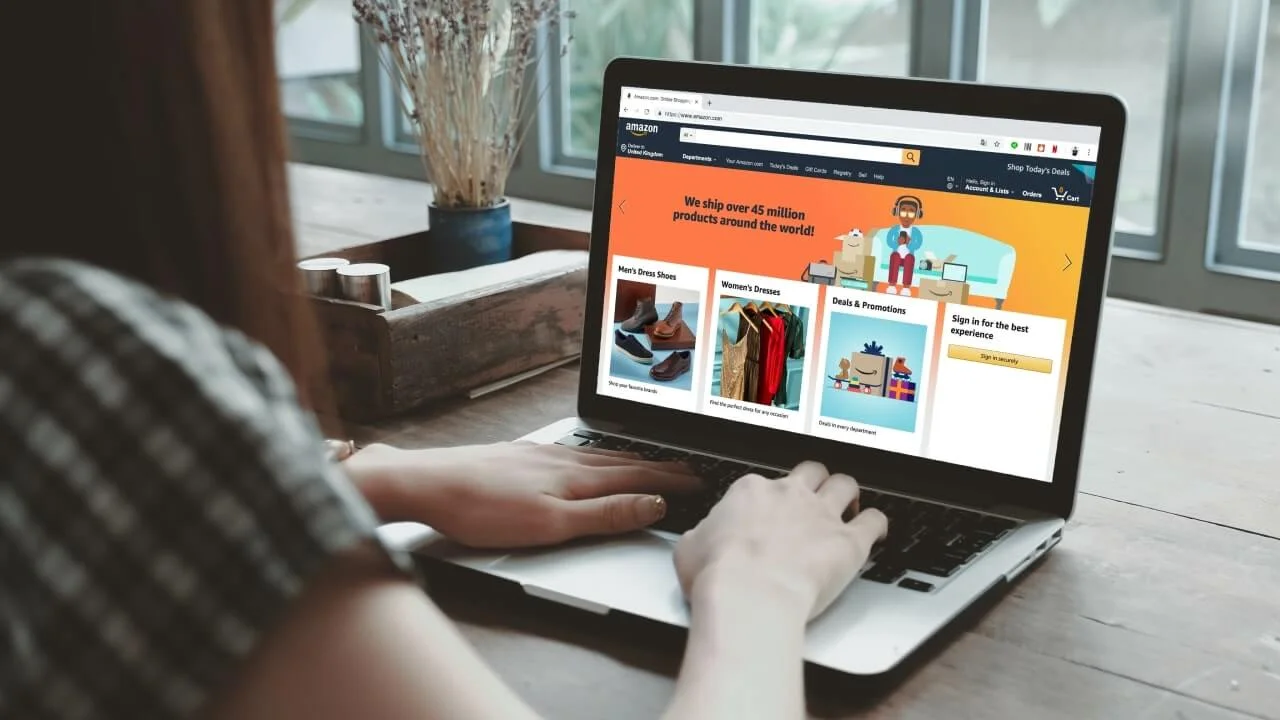
If you sell through marketplaces like Etsy or Amazon, you’re looking at around $50/month or less – most fees only apply when you make a sale. Expect to pay for:
- Platform fees
- Listing fees
- Transaction fees
- Marketplace commissions
- Optional promoted listings
The marketplace route is usually easier for beginners – there’s already an audience there. Building your own online store gives you more control over your brand and customer experience, but you’re responsible for bringing in your own traffic.
There are also other costs to consider, regardless of your sales channel:
- Order samples to check print quality and product quality
- Paid ads and marketing efforts
- Design software or freelance designers
- Branding assets and marketing materials
- Product photography or mockups
Step 1: Find a profitable POD niche

A niche is a specific target audience, interest, or product category your print-on-demand business focuses on. Instead of trying to sell to everyone, you create products for people with shared hobbies, styles, or interests.
A profitable niche gives your brand direction and helps you market products to your target audience. Take a clothing brand built around a certain aesthetic – it feels more recognizable and intentional, appealing to potential customers.
How to validate niche demand
Choosing a niche you genuinely enjoy helps you stay consistent long term, but it also needs enough demand to attract customers and drive sales.
Here’s how to test before you commit:
- Look for active listings, recent reviews, and popular product styles on popular marketplaces like Etsy or Amazon.
- Use trend tools like Google Trends to see if interest in a niche is growing or declining.
- Browse social media to spot popular themes, aesthetics, and communities.
- Research experienced POD sellers in your niche to see what products, designs, and branding styles connect with customers.
Not sure where to start? Check out our list of the top 15 print-on-demand niches for 2026.


Step 2: Create retail-ready designs

Most sellers either design themselves or hire a professional – it comes down to skills, budget, and how fast you want to move.
Make the designs yourself
This method gives you more creative control and makes it easier to test ideas quickly. Even without design experience, tools like Canva or AI image generators like Midjourney can help you create graphics, typography, and product concepts without starting from scratch.
To speed things up even more, use Printify’s Product Creator to design directly on the products you choose. The editor includes print area guidelines so no prints get cut off or misaligned, plus built-in assets if you want to design from scratch or upload your own artwork.
Hire a designer
Partnering with a designer on platforms like Fiverr, Upwork, and Behance can help your products look more polished and professional from the start. It’s also a good option if you want to build a stronger brand identity or if designing just isn’t your thing.
A professional can help you build a more original, recognizable brand. For many successful POD businesses, this is the next step when moving beyond simple designs and building a stronger brand that stands out from competitors.
Pro tip
Review AI-generated designs carefully and avoid anything that resembles copyrighted artwork, logos, or existing brands too closely. If you hire a designer, clarify final design ownership and keep records of your communication and payments. Check out our guide on how to avoid copyright infringement to keep your designs safe to sell.
Step 3: Choose where to sell your print-on-demand products
If you want a better idea of where to sell, here are some of the most popular platforms and marketplaces POD sellers use to start selling online.
Platform | Type | Difficulty | Best for |
|---|---|---|---|
eCommerce platform | Medium | Beginners wanting full control over their print-on-demand store | |
Marketplace | Easy | Beginners selling handmade, custom, or niche products with their own designs | |
Marketplace | Medium | Sellers focused on short-form content and viral-demand products | |
Hosted storefront | Easy | Beginners who want a simple way to start selling Print on Demand quickly | |
eCommerce platform | Medium-hard | Users who want full website customization through WordPress | |
eCommerce platform | Easy | Beginners looking for a simple drag-and-drop website builder | |
eCommerce platform | Easy | Design-focused brands and portfolio-style stores | |
Marketplace | Easy | Sellers targeting bargain-focused shoppers | |
eCommerce platform | Easy | Artists and small creators with simple product catalogs | |
eCommerce platform | Medium-hard | Advanced users who want full customization and control | |
eCommerce platform | Medium | Growing businesses that want built-in sales and SEO features |
Did you know?
Printify connects seamlessly with the eCommerce platforms and marketplaces listed above with just a few clicks – no coding required.
Step 4: Connect Printify and automate fulfillment

Your print-on-demand partner plays a major role in your business experience. Product quality, shipping times, product variety, and fulfillment reliability all affect customer satisfaction and long-term growth.
That’s why many sellers choose Printify as their print-on-demand solution. We automate fulfillment while giving sellers access to a large network of Print Providers and tons of custom merchandise.
Here are some of the biggest advantages of using Printify:
- 100% free to start. No subscriptions or upfront inventory costs. You only pay when a customer places an order.
- Global network of vetted Print Providers. Choose from trusted Print Providers based on location, pricing, product selection, and Performance Scores.
- Worldwide shipping. Sell to customers across different countries with local production options that can help reduce shipping costs and times.
- 2,000+ Customizable products. From t-shirts and hoodies to home decor and accessories – there’s something for every niche.
- No minimum order requirements. Sell one product at a time or scale up as your business grows.
- 24/7 merchant support. Get help whenever you need it with products, fulfillment, or store management.
Step 5: Market your print-on-demand business

Once you have products to sell, it’s time to market them. Here are some of the most effective ways to promote a POD business.
Use short-form videos
Short-form video is one of the fastest ways to grow a POD business. In fact, 30% of short-form videos have an average watch rate above 81%, showing how engaging this content format can be.
Platforms like TikTok, which now has nearly 2 billion users, make it easy for small brands to reach large audiences without spending on expensive production.
Simple content usually performs best. Show your designs, packaging process, behind-the-scenes clips, product closeups, or customer reactions. Many successful POD stores grow by posting consistently and testing different content styles over time.
See our guide on how to sell on TikTok Shop for more tips and best practices.
Experiment with SEO
Search engine optimization (SEO) helps your products appear in search results when people look for products in your niche. Done right, it brings steady traffic to your print-on-demand store without relying entirely on ads or viral content, meaning it’s free.
Start with clear product titles, detailed descriptions, and relevant keywords that match what potential customers are searching for. High-quality product images and niche-focused blog content help too – both on Google and on whatever marketplace you’re selling through.



Build an affiliate and UGC strategy
With 16% of eCommerce sales coming from affiliate marketing, creator partnerships have become a popular way for brands to reach new audiences and drive sales. You can work with influencers or niche creators who promote your products in exchange for a commission on each sale.
Encouraging customers to share photos, videos, and reviews featuring your items is another effective way to build brand visibility fast. Many POD brands repost this type of user-generated content (UGC) because it feels more natural and relatable than traditional ads.
Launch seasonal campaigns
Time-based campaigns can increase sales during major shopping periods like Christmas, Halloween, Valentine’s Day, and back-to-school season.
These campaigns often deliver a strong ROI because shoppers are already actively searching for gifts, themed products, and limited-edition items. Launching seasonal designs early helps your products feel more relevant when demand peaks.
How to be successful with Print on Demand

Consistency, testing, and understanding your audience are key to thriving with the print-on-demand model. Most successful POD businesses don’t blow up overnight. They improve gradually – so treat growth as an ongoing process, not a lottery ticket.
Starting with marketing, posting content consistently keeps your brand visible and gives you more chances to attract customers. Do your market research – know which social platforms your target audience uses most and prioritize your efforts there.
It’s also important to maintain strong content volume instead of expecting every post or product to succeed immediately.
Not every design or product will perform well, and that’s normal. Try different niches, product types, colors, and marketing styles to see what connects with your audience. Ordering samples also helps review print quality and product quality before scaling further.
If your current POD partner isn’t cutting it, consider switching to another. Check out our list of the top 13 print-on-demand companies for more options.
Branding matters too. Consistent colors, design styles, messaging, and product presentation help make your print-on-demand business feel more recognizable and trustworthy. This is often where investing in professional custom designs starts to pay off.
Common mistakes when starting a POD business
When launching your POD business, avoid these beginner mistakes to protect your profit margins and long-term growth.
- Choosing overly saturated niches. Popular niches can still work, but without a unique angle, you’ll disappear in the crowd.
- Uploading too many random designs. A store with inconsistent styles or unrelated products confuses customers and weakens your brand identity.
- Relying only on paid ads. Paid ads burn through budgets fast, especially for new sellers. Organic content, SEO, and social media build more consistent traffic over time.
- Ignoring print quality. Low-quality prints or poorly placed designs lead to negative customer feedback and refund requests. Always order samples before selling new products.
- Using low-quality mockups. Clear, professional mockups make products look more trustworthy and appealing.
- Ignoring shipping costs. Build shipping into your pricing or offer free shipping strategically – unexpected shipping costs at checkout kill conversions.
- Choosing the wrong print-on-demand supplier. Not all print-on-demand companies offer the same print quality, shipping options, production costs, or product selection. Finding the right print-on-demand supplier is important for building a successful business and keeping customers satisfied long term.
Frequently asked questions
Building your inventory-free empire
Starting a print-on-demand business takes testing, patience, and consistent effort – but the low startup costs and minimal upfront investment make it one of the most accessible ways to build your own business online. Focus on strong designs, understanding your audience, and improving your products over time – not chasing instant results.
Printify makes your POD journey easier – with a wide range of products, Print Providers, and integrations across every major platform.
Ready to start? Sign up for Printify and check out our top picks for best-selling POD products for inspiration on what to sell first. If apparel is more your thing, we also have a dedicated guide on starting a clothing brand.