


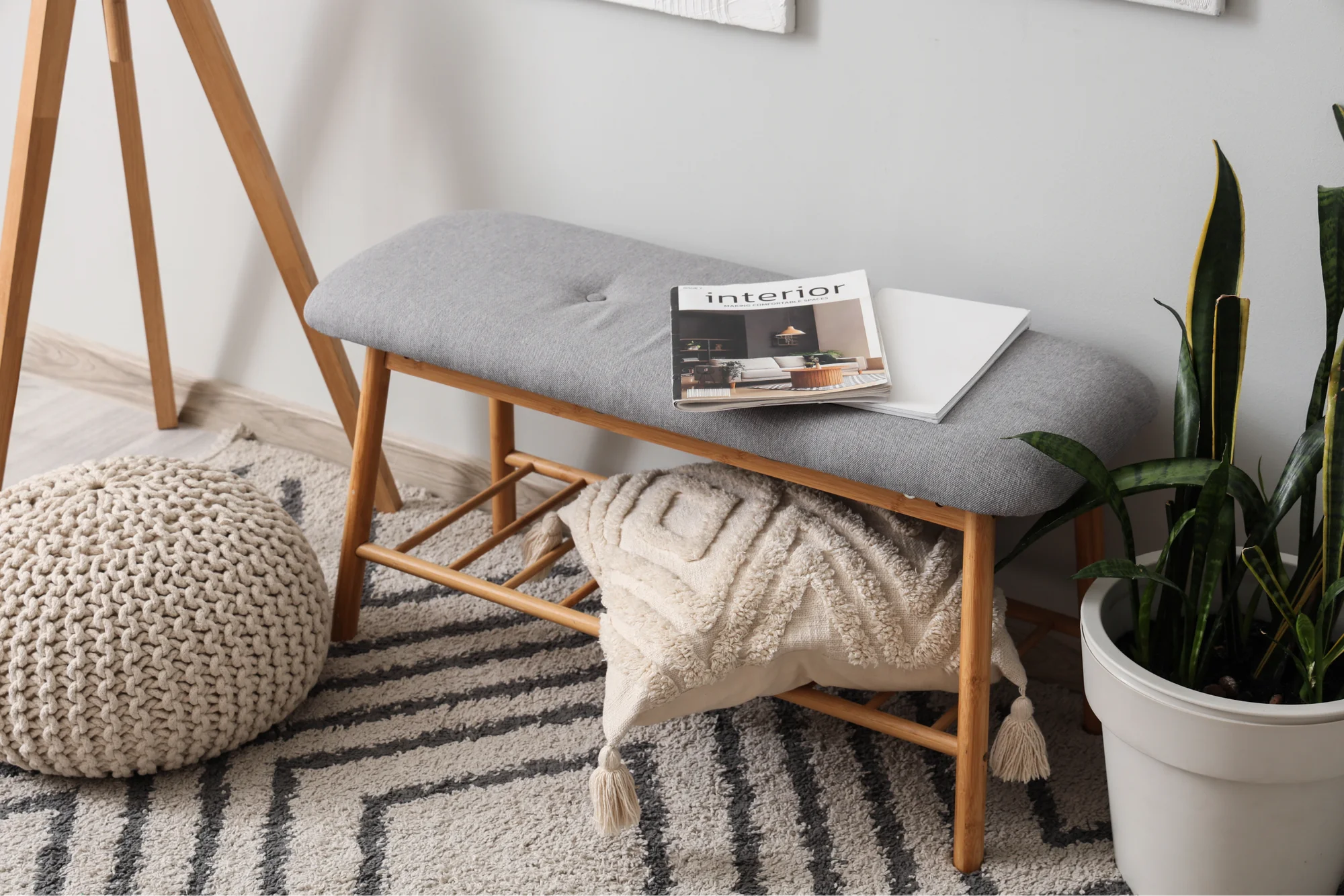
Color trends for 2026 point to earthy tones, bright yellow, and deeper shades as the strongest starting points for print-on-demand (POD) product lines. For Printify merchants, the right color palette does more than dress up a mockup: it shapes how a design reads on a shelf, in a search result, and in a paid ad, all without adding inventory risk.
We will break down the year's color trends into a testing plan for apparel, home goods, and accessories, and close with a 90-day rollout for merchants ready to move from picks to sales.
Start testing this year's color palette on your own POD products.
Leading color trend picks for 2026
Three color families lead the list for 2026: earthy tones, bright yellow as an accent, and deeper shades for premium positioning. Each pairs a specific mood with a product category, making them easier to test in small batches before a larger seasonal push.
Earthy tones for apparel and home goods
Earthy tones remain the safest, most versatile bet across apparel and home goods. Warm neutrals such as khaki, taupe, and tan work as base colors because they read as timeless season after season.
Sherwin-Williams named Universal Khaki SW 6150 its color of the year for 2026, describing the shade as a warm, earthy neutral that pairs with almost any accent color and gives a base a quiet sophistication.

Merchants can also lean into deeper brown shades: sandy beiges, walnut-toned browns, and touches of espresso or chestnut create a sophisticated, refined alternative to solid black. In interiors, similar deep browns show up most often in cabinetry and woodwork, where they add richness without feeling heavy.
Bright yellow as a high-visibility accent
Bright yellow performs best in a supporting role, as an accent color on accessories and branding. A cheerful, buttery version of the shade is one of the year's most wearable warm-weather colors, soft enough to feel approachable but still bright enough to draw attention.
Printify's own round-up of trending t-shirt colors lists a similar butter yellow among the season's most popular warm shades. Photographing yellow items against neutral backgrounds helps the color read with a sense of optimism and warmth while still holding attention in a crowded feed.
Bright companions such as lime green or tomato red create playful contrast next to yellow, and a touch of orange works well too, provided yellow stays in a supporting accent role and lets the main design carry the palette.
Deeper shades for premium and limited editions
Deeper shades work well for premium SKUs and limited runs because they read as premium without adding production cost.
Deep plums, charcoals, and near-black browns suit a shorter, limited-run drop, and merchants can set higher price points for these premium color variants since perceived value tends to rise with the depth of the tone.
Benjamin Moore's color of the year for 2026, Silhouette AF-655, combines burnt umber with charcoal notes, landing in a warm-cool middle ground that works equally well on apparel mockups and home goods.
Layering a deeper shade like charcoal or espresso against a lighter neutral can add depth to an otherwise flat palette, and metallic or gold details paired with these deeper tones act as a sign of luxury in branding applications.
Where this year's color inspiration comes from

Paint and design authorities set the tone for the year's color palette well before POD merchants start testing:
- Pantone named Cloud Dancer, a soft, warm-toned white, its color of the year for 2026, a neutral base that pairs with almost any accent color.
- Sherwin-Williams paired its earthy Universal Khaki pick with Offbeat Green, an earthy lime green with a strong yellow tint, which the brand named its least-used shade of 2026, a shift many paint brands are making toward bolder, unexpected greens.

- Pinterest's 2026 color forecast leans further into that same energy with Wasabi, described as an electric chartreuse, alongside Persimmon, a warm orange-red shade the platform calls the year's feel-good color; search interest in the persimmon aesthetic rose 100% year over year, one sign that orange is moving from an accent into a lead color for some sellers.
- Both echo brat green, the lime-green shade tied to Charli XCX's 2024 album that turned into a wider cultural moment for electric greens in fashion and branding; that momentum from the past few years still shapes how brands use bold green as a durable accent color today.
Merchants pull these seasonal swatches for palette ideas, map the codes to printable color values, and credit the paint or forecast brand by name, which builds trust with readers who recognize names like Sherwin-Williams, Benjamin Moore, or Pantone.
Product design and mockup guidance by color trend
High-quality mockups for each trend color should include a calm, light base so the accent color pops.
Soft, creamy whites and other light neutral hues work well as that base, and they also support more expressive colors sitting on top of them without visual competition.
Lifestyle images extend the same logic: photographing a product against creamy, muted backgrounds creates a warm, natural atmosphere that reads as authentic and translates well across fashion, interiors, and commercial product shots.
Muted palettes in particular work well for lifestyle images that want a homey, editorial feel. Flat-lay and model shots that compare a few color options at once help buyers see the difference at a glance, and dusty pinks or other soft pastels are worth adding to that comparison whenever the goal is warmth, nostalgia, or comfort.
Merchandising, listings, and SEO for color trends
Product titles naming a trend color connect faster with the mood that color signals than a generic shade name would:
In practice, a listing titled with earthy tan or muted sage carries more search intent than one that simply says "brown shirt," because shoppers searching for a color trend already have an emotion or aesthetic in mind.
The same trend names belong in tags and meta descriptions, where they connect a shade's psychological association, calm, warmth, or playful energy, to what a shopper is actually searching for.
Collection pages grouped by color story give browsing a more interesting, cohesive feel and tie the whole storefront to a consistent color style.
Marketing creative: Campaigns built around color trends
Color-led campaigns work best when the creative, the influencer brief, and the paid ad all point back to the same one or two shades from the full palette.
Email and lifestyle campaigns
Email launches built around a single color story perform well when the featured shade is bold enough to anchor the whole message. A rich, statement shade with sunset-glow warmth, something in the tangerine or amber family, brings the same balance and confidence to a subject line and hero image.
Every color story should also be built around the specific emotion the shade is meant to trigger in the reader, and a layered mix of textures across the campaign photos reinforces that same mood.
Influencer and stylist campaigns
Influencer briefs for color-focused micro-campaigns land better when the color choice ties back to a current cultural movement. A creative director framing a shade as a timely choice gives influencers a story to repeat in their own words.
Stylists and creators can also layer the trend color through an outfit or a scene, which adds dimension to the campaign visuals.
Social ads that lean on contrast
Social ads built around color contrast should treat any neon or electric shade as a highlight color, used in small doses against a neutral base. For example, a bright, near-fluorescent green works best used sparingly against a neutral background, since that restraint keeps it readable and gives it impact without overwhelming the design.
Warmer electric tones, closer to a hot orange-red than a true neon, support the same kind of fresh, high-impact visual without competing with the product itself.
Forecasting, analytics, and color testing
Color testing works best with three variants per product running at once: one neutral, one accent, and one bolder option.
Track click-through rate, add-to-cart rate, and conversion rate by color, since a shade can cool off as quickly as it rose and later resurface with a slightly different meaning, which is worth remembering before writing off an older color entirely.
Merchants should pause low-performing colors once they cross a defined KPI threshold, and remember that the best-performing colors tend to be the ones designers actively adapt to current consumer desires, ahead of whatever option sits highest on a trend report.
Fulfillment, pricing, and supplier choices
Print providers may vary in how accurately they match a submitted color code, so it's worth checking a supplier's color-matching accuracy before committing an entire collection to a single shade, especially for fast-rising apparel colors.
Comparing unit costs across providers for each color also counts, since soft pastel colors are showing up more often in branding, and buyers expect visual consistency across every order they place.
Limit SKUs to categories where a trend color is actually gaining traction to protect margins and fulfillment speed and keep the catalog balanced between a versatile core lineup and a smaller set of trend-driven options.
Implementation roadmap: A 90-day color test plan
- A 90-day color test calendar works well when it mixes a couple of safe, popular neutrals with one bolder trend color, paired in a way that signals confidence.
- A water-inspired blue accent is a solid option to test alongside a bolder red, since the two read as a deliberate pairing. Behr and Pantone are both worth checking when researching new colors to add to that calendar.
- An asset checklist for each color launch should include a short list of visual references, pulled from sources like Pinterest or Behance, before the palette moves into production.
Review test results and scale the winning colors on a monthly basis. That keeps the catalog feeling current and modern without requiring a full seasonal overhaul every time a new shade trends.
Conclusion
2026's color palette rewards merchants who treat color as a testable variable across the year. Earthy tones, bright yellow accents, and deeper premium shades each map to a different product strategy, and pairing them with real paint and forecast data, from Sherwin-Williams and Benjamin Moore to Pantone and Pinterest, keeps design decisions grounded in the trendy colors for this season.
Merchants who build a simple, repeatable testing habit around color, three variants per product, a 90-day calendar, and a clear KPI for pausing underperformers will keep finding new colors to test long after this year's picks cool off.
