


Sell custom products without inventory
Looking to earn some extra cash by selling items people love? Whether you’re clearing out your loft or launching a new side hustle, there are plenty of profitable things to sell. The UK market is buzzing with opportunities for savvy sellers.
In this guide, we’ll explore the best things to sell to make money, from quick wins with pre-loved goods to building a brand with unique, custom-made products. Let’s turn your clutter into cash.
Physical products to sell for quick cash
If you’re wondering, “What can I sell to make money quickly?”, starting with physical items is a brilliant option. A good clear-out can uncover some hidden gems, and with platforms like Vinted and eBay, it’s never been easier to find a buyer.
1. Pre-loved clothing and accessories
The UK has a massive appetite for second-hand fashion as more people embrace sustainability. That unworn jacket or pair of trainers in your wardrobe could be exactly what someone is looking for.
Pre-loved jumpers, trainers, handbags, and jackets from popular brands can fetch a good price. Selling your items on marketplaces like Vinted, Depop, and eBay connects you directly with thousands of shoppers searching for quality second-hand clothes.
Bundle items together, like a hat and scarf set for autumn, to attract more buyers and make postage more cost-effective.
2. Handmade crafts and jewellery

If you have a creative spark, selling handmade things is one of the most rewarding things to make and sell. From unique jewellery and personalised gifts to bespoke home decor, there’s a huge market for items with a personal touch.
The demand for arts and crafts is growing, with a trend towards eco-friendly materials and custom options. You can sell your creations at local craft fairs, car boot sales, or online through marketplaces like Etsy UK.
3. Tech gadgets and electronics
That old mobile phone or games console collecting dust could be a nice little earner. Tech like smartphones, laptops, tablets, and gaming consoles hold their value surprisingly well.
Models from big names like Apple or Samsung are always in demand. Even non-working items can be sold for parts. For a quick sale, try listing on Facebook Marketplace or Gumtree for local collection, or use specialist sites like MusicMagpie for a fast quote.
Including the original box, charger, and any accessories can significantly increase the resale value. An empty iPhone box can sell for over £10 on its own.
4. Furniture and home goods
Whether you’re decluttering or fancy yourself an “upcycler,” selling second-hand furniture and unique homeware is a fantastic idea. You can “flip” items by buying them cheaply, giving them a lick of paint or a quick repair, and reselling for a profit.
Well-made chairs, tables, or vintage decor are always popular with buyers looking for quality without the high-street price tag. Local selling on platforms like Facebook Marketplace is perfect for larger items, as you can arrange for the buyer to collect.
5. Books, video games, and collectibles
Your old collection of books, video games, vinyl records, or even classic Beano comics could be worth more than you think. Niche collectibles attract passionate buyers who are often willing to pay a premium for a rare find.
Platforms like Amazon and eBay are great for reaching a global audience, while sites like WeBuyBooks offer a simple way to sell your old reads in bulk. This is a brilliant way to turn clutter into cash.
Creating your own products to sell with Print on Demand
If you love the idea of selling your own unique designs but don’t want the hassle of holding stock, then Print on Demand (POD) is for you. It’s one of the best ways to start an online business with zero upfront cost.
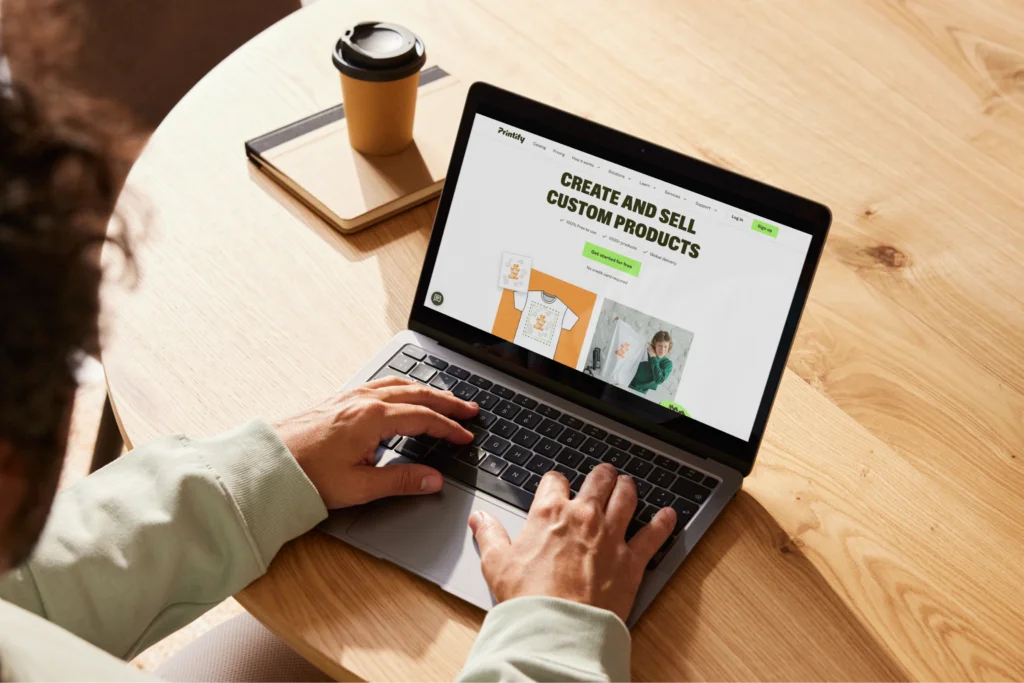
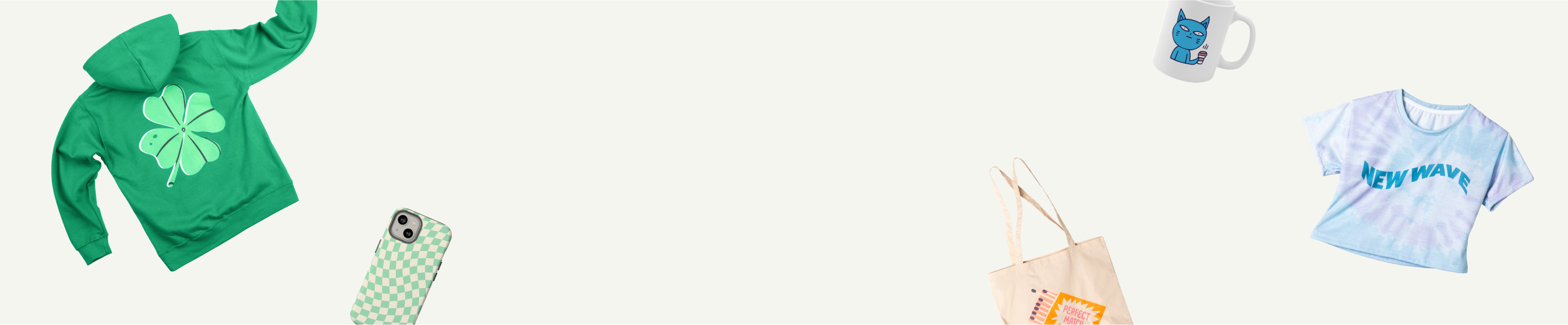
Print on Demand platforms like Printify allow you to upload your designs onto a huge range of products in the Printify Catalogue. Think custom t-shirts, cosy custom hoodies, and quirky custom mugs.
Here’s the brilliant part: when a customer buys from your online shop, our network of Print Providers handles everything – the printing, packing, and shipping. Many of our Print Providers are based right here in the UK, which means faster, cheaper fulfilment for your UK customers. Orders are often sent via Royal Mail, arriving in days with no cross-border customs fees.
You only pay after you make a sale, making Print on Demand a completely risk-free way to sell your own custom clothing in the UK or even personalised custom phone cases.
Digital products and services to sell for passive income
In a digital world, you don’t need a physical product to make money. Selling your knowledge or digital creations can create a steady stream of passive income without ever worrying about postage.
1. eBooks and online courses
If you’re an expert in a particular field – be it baking, coding, or gardening – you can monetise your skills by creating and selling eBooks or online courses.
Once created, these digital products can generate income with minimal ongoing effort. You can sell eBooks on Amazon Kindle Direct Publishing or host your courses on platforms like Udemy or Teachable.
2. Stock photos and digital art

If you have an artistic side, selling stock photos, graphics, or digital art is an excellent way to monetise your passion.
If you’re a photographer or graphic designer, your work is in constant demand by businesses and content creators. Platforms like Shutterstock and Adobe Stock allow you to license your images to a global audience. For digital prints, planners, or wall art, Etsy is the perfect marketplace.
Services you can offer to make money online
If you’re wondering what to sell to start a business, offering a service is a low-cost and flexible way to get going. You’re selling your time and skills, which means you can start earning straight away.
1. Freelance writing or copywriting
Good with words? Businesses are always looking for skilled writers to create content for blogs, websites, and marketing materials. Platforms like Fiverr and Upwork are buzzing with clients from all over the world looking for writing talent.
2. Social media management

If you know your way around Instagram and TikTok, you can help small businesses grow their online presence. As a social media manager, you can offer services like content creation, scheduling posts, and engaging with followers, helping companies that don’t have the time to do it themselves.
Where to sell these items in the UK
Knowing where to sell is just as important as knowing what to sell. Choosing the right platform can make all the difference.
1. Online marketplaces and platforms
- Vinted and Depop. Perfect for selling pre-loved and vintage fashion. Vinted is brilliant for its no-seller-fee model, while Depop attracts a younger, trend-focused audience.
- eBay. A fantastic all-rounder for almost everything, from branded clothing and electronics to rare collectibles. Its auction format can help you get a great price for in-demand items.
- Etsy. The go-to marketplace for handmade crafts, unique vintage goods, and digital creative assets. It’s a community that truly values originality.
- Facebook Marketplace and Gumtree. Ideal for selling larger items like furniture locally, as you can arrange for cash on collection and avoid postage fees.
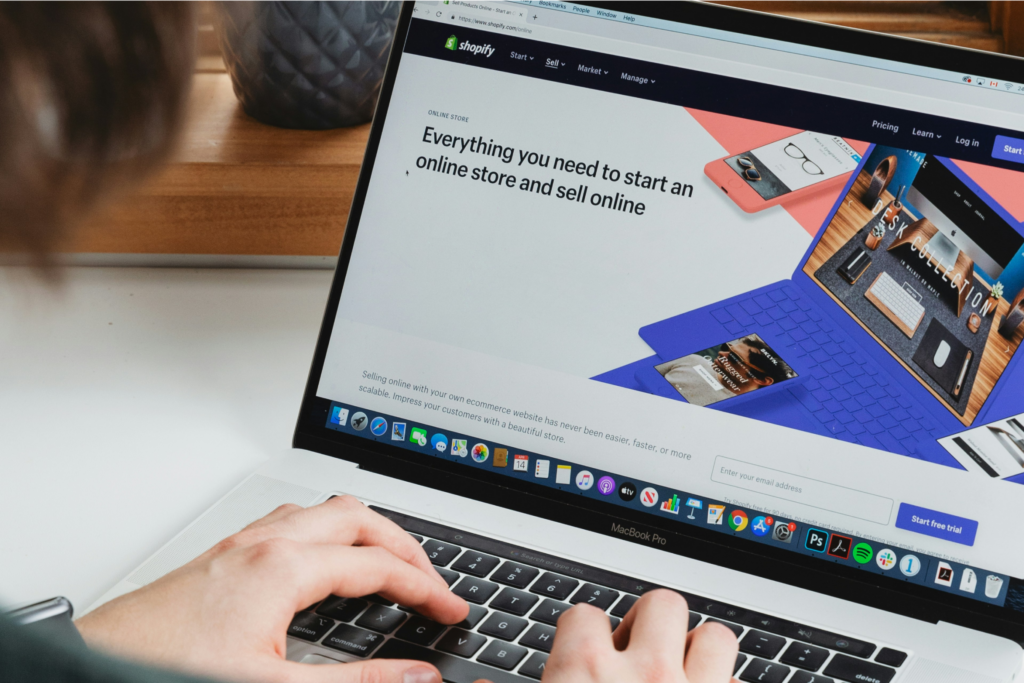
- Shopify. The perfect platform if you want to build your own brand. Shopify lets you create a professional online store to sell your Print on Demand products or handmade goods.
- Amazon. A great option for selling a wide variety of products, from books to handcrafted goods via Amazon Handmade. Its massive customer base gives you incredible reach.
2. Local markets, car boot sales, and pop-ups
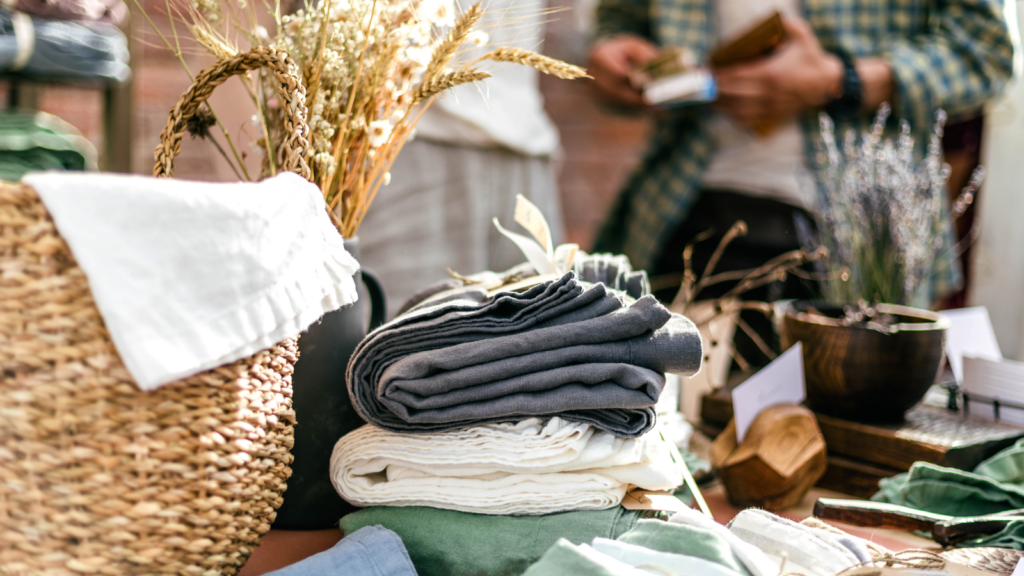
Don’t underestimate the power of selling in person. Car boot sales, local markets, and pop-up stalls are excellent ways to make quick cash and connect directly with customers.
- Check local Facebook groups and community centre notice boards for upcoming events.
- Farmers’ markets often have stalls for local artisans, which are great for selling handmade crafts and food.
- Selling in person is a great way to test which products are popular before launching a full-scale online shop.
FAQs about selling things to make money in the UK
If you’re just selling a few of your own unwanted personal items, you generally don’t need to register. However, if you start buying or making goods with the intention of selling them for a profit, you’ll likely need to register as a sole trader with HMRC.
In the UK, you have a trading allowance of £1,000 per tax year. If you earn less than this from your selling activities, you don’t need to declare it. If you earn more, you’ll need to complete a Self Assessment tax return. If your turnover exceeds the threshold (currently £90,000), you’ll also need to register for Value Added Tax (VAT). It’s always best to check the latest guidance on the GOV.UK website.
Currently, there’s high demand for sustainable and pre-loved fashion, unique home decor, personalised gifts, and electronics. Custom products sold via Print on Demand are also a growing trend, as they allow people to buy truly unique items that reflect their personality.