



Design custom products with Printify
Choosing between matte vs glossy photos comes down to how you want your images to look, feel, and live in the real world.
Matte finishes are soft, subtle, and glare-free, while glossy photos bring shine, contrast, and punchy color. One works beautifully for art and everyday handling; the other thrives on impact and detail. The best choice depends on your design, lighting, and audience.
What are matte photo finishes?
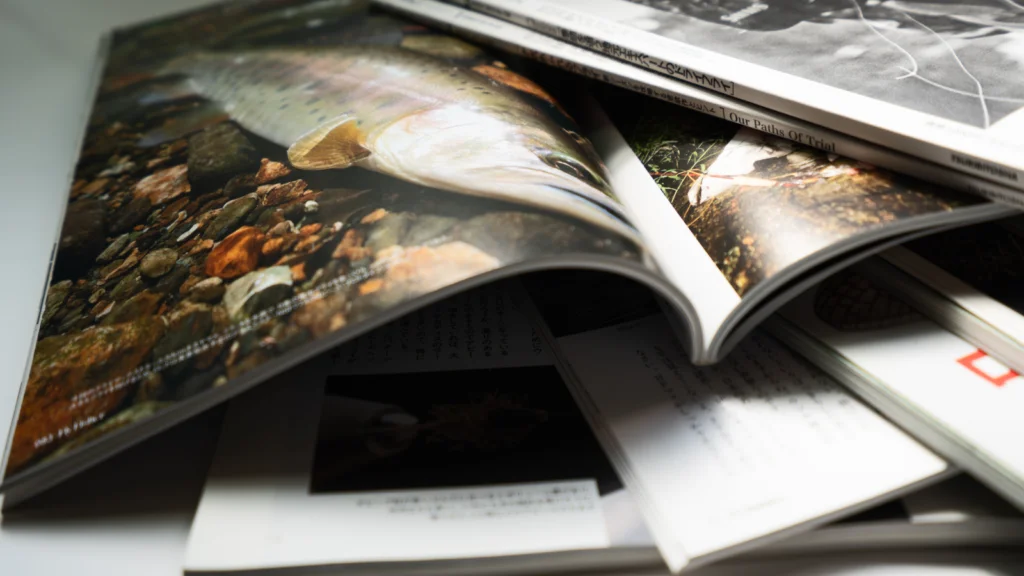
Matte photo finishes use matte photo paper with a smooth, non-reflective surface that diffuses light instead of bouncing it back. A matte photo feels softer, more subtle, and less glossy to the eye, which is why matte photo finishes are common in fine art photography and gallery displays.
It focuses on mood, texture, and realism rather than shine – the best photo finish for prints meant to be viewed up close or under bright light.
What are the advantages of choosing matte photos?
- Natural, understated look. Matte photos offer a natural appearance with muted tones rather than intense shine. This works well for black-and-white images and art photography.
- Better for framing and wall art. A non-reflective surface helps framed photo prints look cleaner behind glass. Many gallery displays rely on matte photo finishes for this reason.
- Smudge and fingerprint resistance. Matte paper hides fingerprints better than glossy counterparts. This helps when photo prints are handled frequently.
- Soft texture that feels premium. Matte photo paper often has a subtle texture that adds depth. This gives fine art and poster prints a more tactile feel.
- Balanced color presentation. Matte prints offer controlled contrast that avoids harsh highlights. This suits skin tones and detailed illustrations.
- Reduced glare and reflections. Matte photo prints don’t reflect light the way glossy finishes do. This makes them easier to view in bright rooms and under direct light.
What are the disadvantages of matte photo prints?
- Less color punch. Matte photo prints don’t deliver the same vibrant colors as glossy finishes, so images can appear slightly muted.
- Lower perceived sharpness. Fine detail can look softer on a matte surface. High contrast images may lose some edge clarity.
- Not ideal for bold commercial visuals. Matte photos can feel too subtle for promotional materials. They don’t “pop” from a distance.
- Can absorb more light. Matte finishes absorb light rather than reflect it. This can reduce brightness in darker rooms.
- Limited impact for vivid photography. Landscape photography and vibrant images often benefit more from shine. Matte may downplay dramatic color shifts.
What are glossy photo finishes?

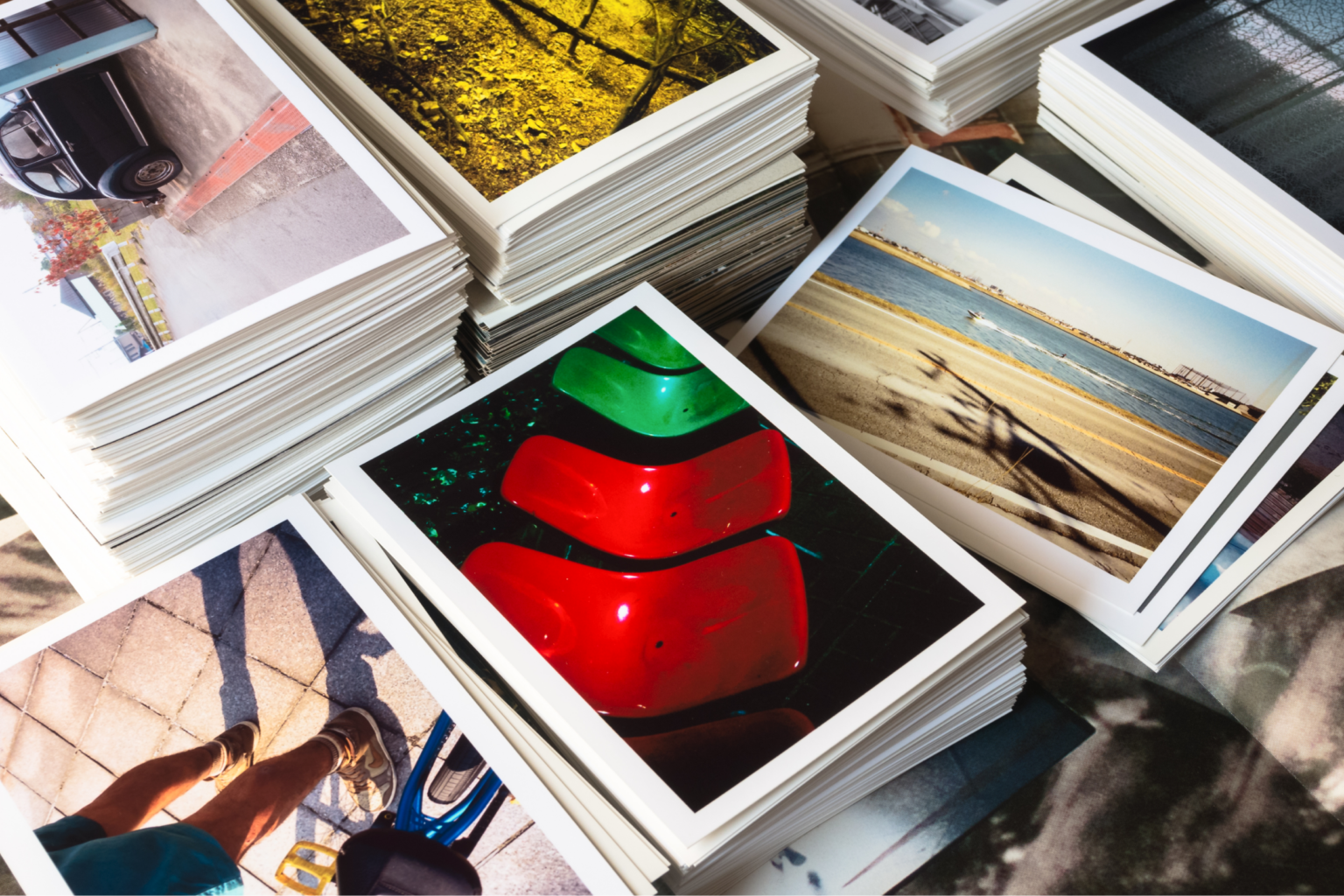
These use glossy photo paper with a shiny surface that reflects light and enhances color saturation. A glossy finish adds depth, contrast, and clarity, making details appear sharper and colors more intense.
Glossy photo prints are commonly used for photo albums, promotional materials, and photo prints where visual impact matters more than glare control.
What are the advantages of choosing glossy photos?
- Richer, more vibrant colors. Glossy photo prints enhance vibrant colors and vivid tones, helping images feel lively and eye-catching.
- Higher perceived sharpness. The glossy surface highlights fine detail, so images often look crisper than matte versions.
- Strong contrast and depth. Glossy finishes boost high contrast areas. This makes highlights brighter and shadows deeper.
- Ideal for detailed photography. Glossy prints excel with detailed visuals like landscape photography. Texture and clarity stand out.
- Smooth, premium look. A glossy finish creates a polished appearance. It feels modern and bold.
- Popular for albums and marketing. Glossy photo paper is common in photo albums. It also works well for attention-grabbing visuals.
What are the disadvantages of glossy photo prints?
- Prone to glare. Glossy photos reflect light easily, which can distract viewers in bright light or near windows.
- Fingerprints show easily. A shiny surface highlights smudges, so glossy photo prints need more careful handling.
- Framing challenges. Glossy finishes can create glare behind glass. Framed glossy prints may be harder to display.
- Less forgiving of imperfections. Scratches and dust show more on glossy paper. This affects long-term presentation.
- Can feel too bold for art-focused work. Glossy finishes may overpower fine art, and subtle compositions can lose their mood.
Matte vs glossy photos: A side-by-side comparison

Colors and contrast compared
When comparing glossy vs matte photos, color handling stands out first. Glossy photos boost contrast and saturation, which makes colors feel richer and deeper. Matte finishes soften transitions, leaning into muted colors and smoother gradients.
This difference in image finish often comes down to personal preference and how bold you want your visuals to feel.
Durability and longevity
Both matte and glossy photos can last for years when printed on quality photo paper. Matte prints hide small scratches better, while glossy photo prints rely on a glossy finish that can show wear more clearly. Neither option is fragile by default. Longevity depends more on storage, light exposure, and handling habits.
Light reflection impact
Glossy photos reflect light strongly, adding drama but also causing distractions. Matte paper diffuses light instead, helping achieve a glare-free finish. That’s why matte and glossy finishes behave very differently in real rooms, not just on screens.
Framing
When comparing glossy vs matte photos for framing, consider how each behaves behind glass. Glossy photo prints paired with glass can double reflections, especially in gallery displays. Matte finishes feel calmer once framed, making them a popular option for wall art.
Choosing between a glossy or non-reflective finish for framing is often just a matter of display conditions and personal preference.
Texture and tactile feel
Matte prints have a smoother, more understated touch that suits slower viewing. Glossy prints feel slick and polished, reinforcing their bold look. This difference matters when creating custom photo products meant to be handled. The tactile experience often nudges buyers toward one photo finish over the other.
Matte photos vs glossy photos: An overview
| Feature | Matte | Glossy |
|---|---|---|
| Colors and contrast | Softer contrast with more controlled highlights. Colors feel balanced and natural rather than intense. | Higher contrast and stronger saturation. Colors appear bolder and more eye-catching. |
| Durability and longevity | Hides fingerprints and minor scuffs better during everyday handling. Surface wear is less noticeable over time. | A protective coating improves moisture resistance, but fingerprints and scratches are more visible. |
| Light reflection | Scatters light for a glare-free viewing experience. Works well in rooms with bright or uneven lighting. | Reflects light strongly, enhancing depth but causing glare under direct light. |
| Framing | Performs well behind glass with fewer reflections. Often chosen for framed wall art and gallery-style displays. | Can create noticeable reflections once framed. Best in controlled lighting environments. |
| Texture and tactile feel | Smooth, slightly textured feel with understated elegance. Invites closer, longer viewing. | Slick and polished surface that feels modern and bold. Designed for visual impact. |
When should you choose matte for Print on Demand?

For art prints and illustrations
Matte prints work beautifully for illustrations, greeting cards, and art-focused designs. The matte finish softens edges and supports muted colors, suiting line art, painterly styles, and black-and-white photography meant for slower viewing or gallery displays.
For products frequently handled
If customers touch the product often, matte prints make more sense. The matte finish hides fingerprints and scuffs better than glossy photos, keeping designs looking clean. This is a strong choice for cards, small art prints, and custom stationery handled daily.
For displaying in bright environments
Matte paper performs well in bright rooms with windows or overhead lighting. The surface reduces reflections, so matte prints stay readable and calm. For wall art placed near sunlight or busy interiors, matte finishes feel more practical and consistent.
When should you choose glossy for Print on Demand

For vibrant photography and detailed images
Glossy photo prints suit colorful photography packed with detail. Glossy photos deepen contrast and highlight fine elements, making landscapes and close-ups feel sharper. This glossy finish supports images where depth and clarity matter more than subtlety.
For products that need to “pop”
Glossy prints shine when impact drives sales. Marketing materials, bold posters, and statement visuals benefit from glossy photos that attract attention fast. Glossy and matte both have value, but gloss grabs the eye first in crowded visual spaces.
For items displayed under controlled lighting
Glossy photos work best where lighting stays predictable. In studios, offices, or display corners, glossy photo prints add polish without distracting glare. This makes them suitable for premium poster drops and curated product setups.
Design custom art and poster prints to sell on Etsy or Amazon for global reach and unmatched profit.
Making the final decision: Are glossy or matte photos better for you?
Matte prints fit creators who value softness, texture, and restraint, while glossy prints reward bold visuals that rely on shine and contrast. In the glossy vs matte debate, both finishes deliver results – it’s simply about matching the photo finish to your product, space, and audience.
Turn your photos into prints with Printify

With Printify, you can turn glossy and matte photos into sellable products.
- Pick from posters, framed prints, fine art paper, or satin options.
- Choose between glossy and matte finishes.
- Upload your design or create one with our free Product Creator.
- Then publish to your store.
- After someone buys, we handle printing and shipping.
You can also order samples for yourself to check quality first. As a print-on-demand leader, Printify offers global fulfillment, flexible print options, and reliable production for growing hustles.
Matte vs glossy photos: FAQ
There’s no single winner. Matte works well when you want a soft, glare-free look with a more natural appearance, especially for wall art or images viewed in bright light. Glossy photos shine when color, contrast, and sharp details matter most. Choosing between matte or glossy photos is mostly a matter of use case and personal preference.
They use both, depending on the project. Many professional photographers prefer matte photo finishes for fine art photography, gallery settings, and black-and-white photographs because they reduce reflections and feel understated. Glossy finishes are common in commercial work, portfolios, and photo prints that need vibrant colors and high contrast images.
Matte photos usually look more natural. A matte finish softens highlights, tones down reflections, and keeps skin tones realistic. That’s why matte paper is often chosen for portraits, art photography, and black-and-white images. Glossy photos look more dramatic, but the shiny surface can sometimes feel less true-to-life under direct light.
For framing, matte photo prints are usually the safer choice. A non-reflective surface helps avoid glare when framed behind glass, especially in rooms with bright light. Glossy photo prints can create glare and reflections once framed, which can distract from the image. Many gallery displays rely on matte finishes for this reason.
Not necessarily. With modern professional photo printing and high-quality prints, both matte and glossy photos offer strong longevity. A glossy coating can provide slight protection against fingerprints, while matte photo paper resists smudging better. Fading depends more on photo paper quality, ink, and exposure to light than the print finish itself.
Lustre finish, sometimes called semi-gloss, sits between matte and glossy. It offers better color depth than matte while avoiding the full shiny finish of glossy paper. Lustre photo paper has a subtle texture that reduces glare, making it popular for photo albums, wedding prints, and fine detail images where balance matters.
To summarize
Choosing between glossy and matte photos isn’t about right or wrong. It’s about how your images behave in real spaces and how customers experience them. Matte finishes lean into softness, texture, and glare control, while glossy finishes amplify contrast, shine, and visual impact.
With Printify, you can test, compare, and sell high-quality prints on Etsy and other eCommerce sites with confidence. Start experimenting, order samples, and turn your photos into products your audience actually wants to hang, gift, and keep.