

Bring your design ideas to life
Looking for the best print-on-demand sites for artists? You’re in the right place.
We’ve reviewed 12 top platforms that help artists sell their work on products like apparel, wall art, stationery, and more. Our comparison covers product range, print quality, integrations, pricing, and branding features.
Whether you’re just starting out or already selling online, this guide will help you find the platform that aligns with your art and goals.
Key takeaways
- Print on Demand (POD) helps independent artists sell art online without managing inventory or shipping.
- Using POD lets artists focus more on creating, promoting their art, and building a global audience.
- When choosing a POD platform, artists should consider the product range, printing quality, integration capabilities, shipping costs, and pricing.
- To sell prints using POD, artists must digitize their artwork, upload designs to a chosen platform, select products, open online stores, set profit margins, and market their artwork.
Best print-on-demand companies for artists
Print-on-demand companies handle production and shipping, taking the burden off artists so they can focus on their creative work. There are many great POD platforms out there, so we’ve narrowed it down to the 12 best printing companies so artists can find the right platform and start their own shops.
1. Printify
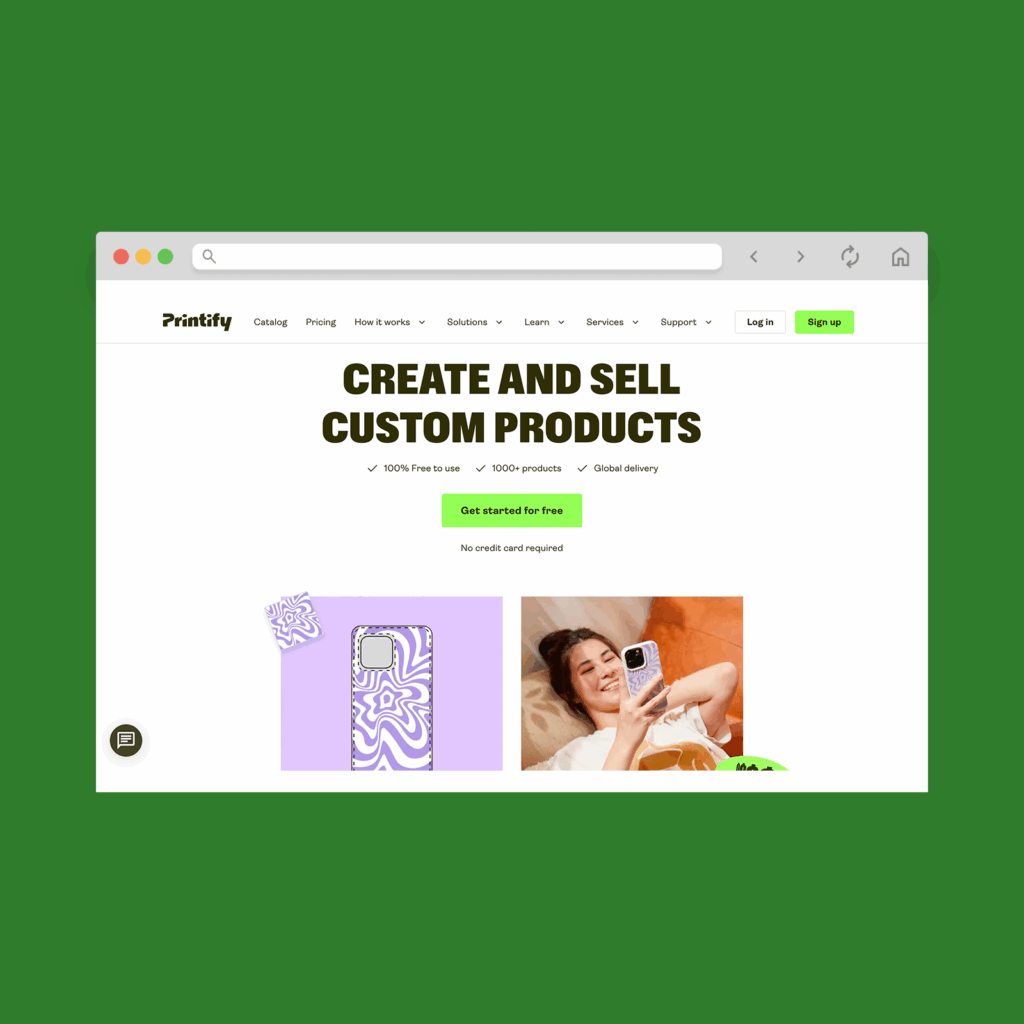
Printify is one of the top print-on-demand sites for artists, offering a vast range of products, low production costs, and many print partners to choose from.
The platform connects you with a global network of Print Providers and makes it easy to add your designs to products like canvas prints, apparel, and home goods. Thanks to integrations with major eCommerce platforms – like Shopify, Etsy, and Wix – you can sell art online to an international audience without dealing with production or shipping.
Pros:
- Product range: The largest selection of custom products, providing flexibility in how you sell your art.
- Design tools: The Product Creator makes it simple to upload, scale, and position your artwork.
- Cost efficiency: Set your own prices and maintain better profit margins thanks to low base costs.
- eCommerce integrations: Streamlined listing and order fulfillment thanks to integrations with the top eCommerce sales channels.
Cons:
- Quality control: Print quality can vary by Print Provider, so check ratings from other sellers and order samples.
- Shipping variability: Delivery times and rates depend on the Print Provider you select and their distance from your customer base.
2. Printful
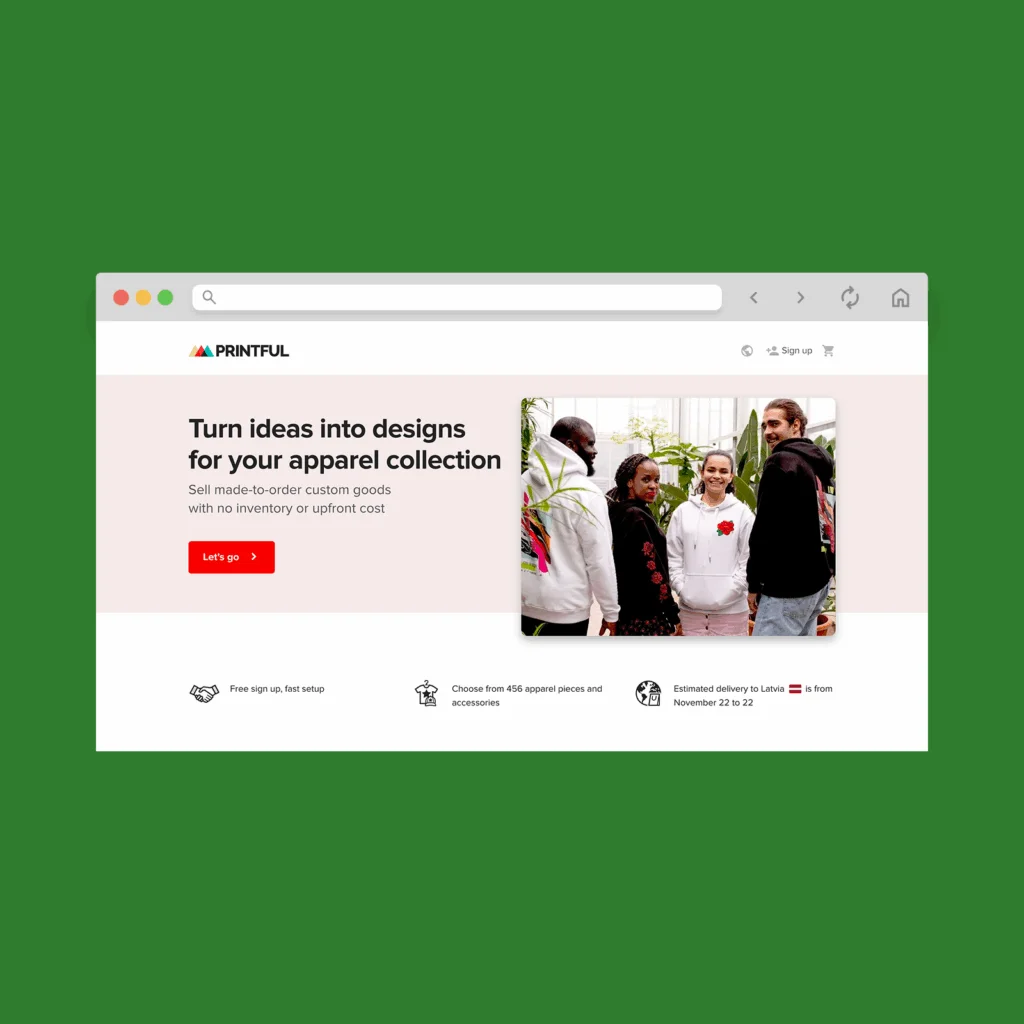
Printful is a trusted print-on-demand company for artists known for its high-quality products, consistent production standards, and strong focus on brand presentation.
The platform connects with all major eCommerce sites like Shopify, Etsy, and WooCommerce, so even beginner artists can start selling and managing orders with ease.
Pros:
- Quality control: The 3-step quality control process ensures you get one of the highest quality products on the market, with a record-low 0.19% reshipment rate.
- Branding options: You can put your branding on inside and outside labels, add custom pack-ins, design packaging, and personalize the order tracking page.
- eCommerce integration: Partnerships with all of the top eCommerce platforms so you can sell across multiple sales channels.
- In-house production: Printful has their own production facilities worldwide, giving them complete control over the entire printing process.
Cons:
- Product range: While they have the core, most popular product categories, they don’t carry as many niche items as some other print-on-demand services.
- Shipping variability: Shipping costs and times depend on the distance between the fulfillment center location and the delivery address.
3. Fine Art America
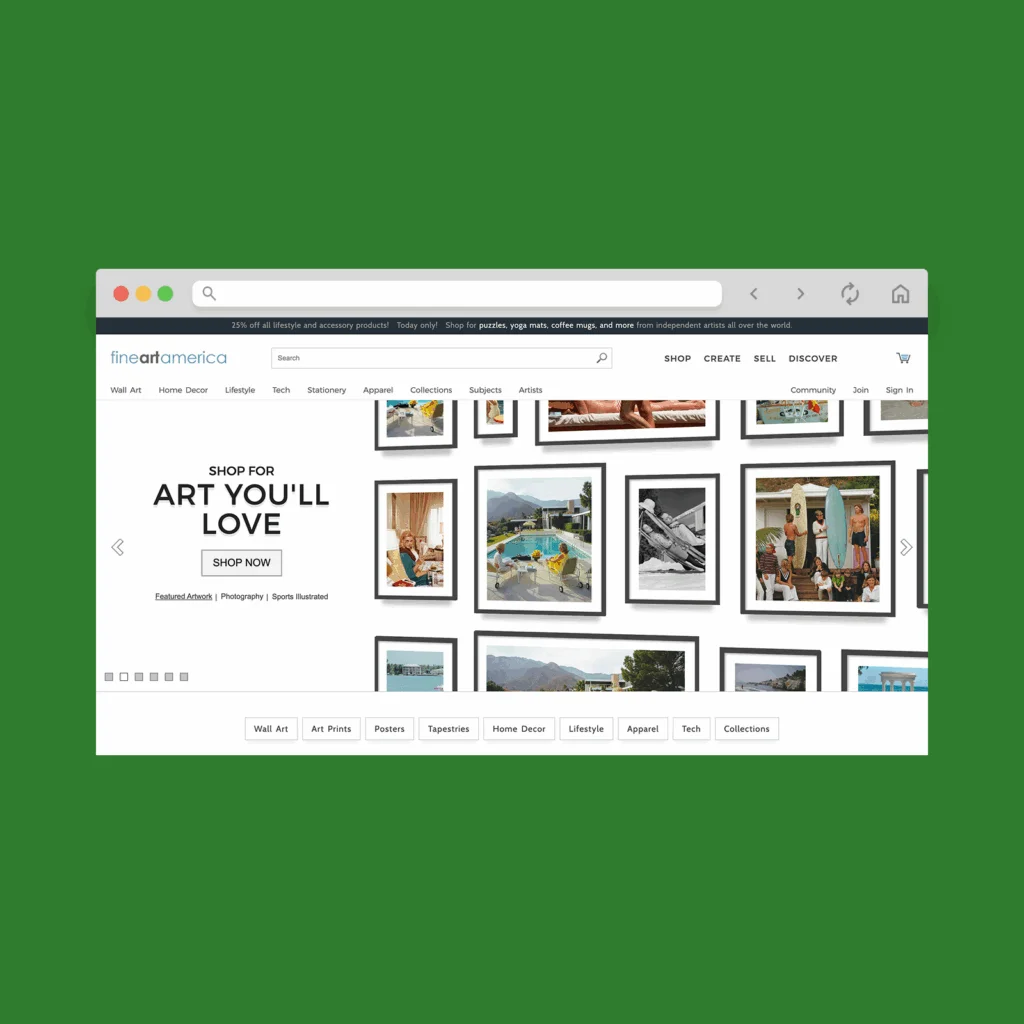
Fine Art America is a print-on-demandplatform built specifically for artists selling fine art prints, framed artwork, and wall decor. It’s ideal for those who want display-worthy art pieces while also offering on-demand art prints on everyday products, such as apparel, accessories, and home goods.
Pros:
- Print options: Wide product range, including framed prints, canvas prints, accessories, apparel, and wall art.
- Community: Extensive community of other artists, offering opportunities for networking and exposure.
- Marketing tools: In-platform marketing tools to help artists promote their work and increase sales.
- Quality control: The platform has its own fulfillment centers, ensuring reliable quality.
- Retail integration: Partnerships with multiple fine art retailers across America, integration with Shopify, and custom API options for your own eCommerce site.
Cons:
- Commission fees: Higher platform fees result in reduced profit margins compared to other POD sites.
- User interface: The interface is somewhat complex, requiring a learning curve.
- Shipping: Fewer shipping centers than other platforms, resulting in longer delivery times.
4. Gelato
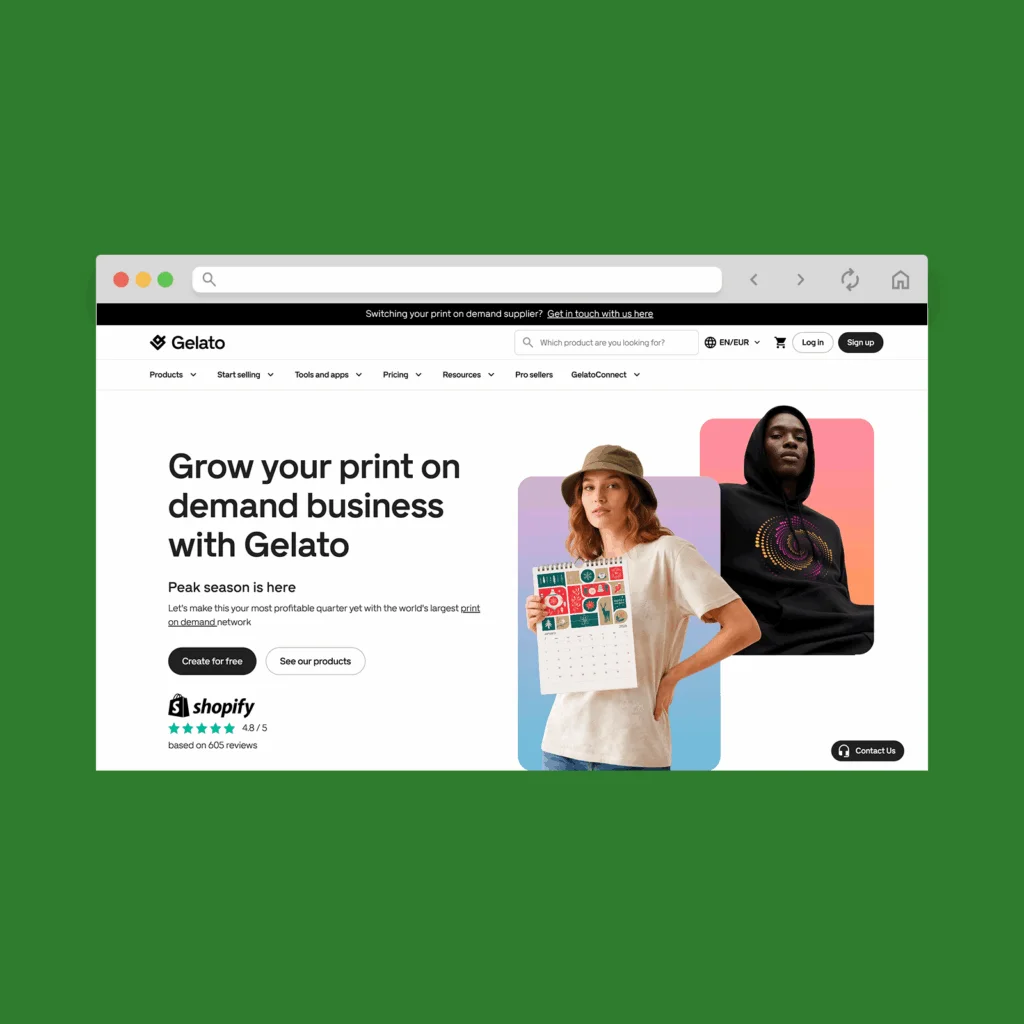
Gelato is a global print-on-demand platform that connects artists with local print providers in over 30 countries. Producing orders closer to your customers helps reduce delivery times and environmental impact. It’s a good choice for artists who focus on sustainability and want to reach a global audience.
Pros:
- Product range: Many print-on-demand products with easy-to-use mockup tools.
- Local production: Fast and reliable delivery through local printing in over 30 countries.
- eCommerce integration: Several integrations with top eCommerce platforms and marketplaces for seamless fulfillment.
Cons:
- Printing options: Fewer printing methods than platforms like Printify and Printful, which might restrict product expansion for artists.
- Quality variability: Quality depends on which print provider you use.
- Premium restrictions: Features like mockup generation and branding options are behind a paywall.
5. Society6
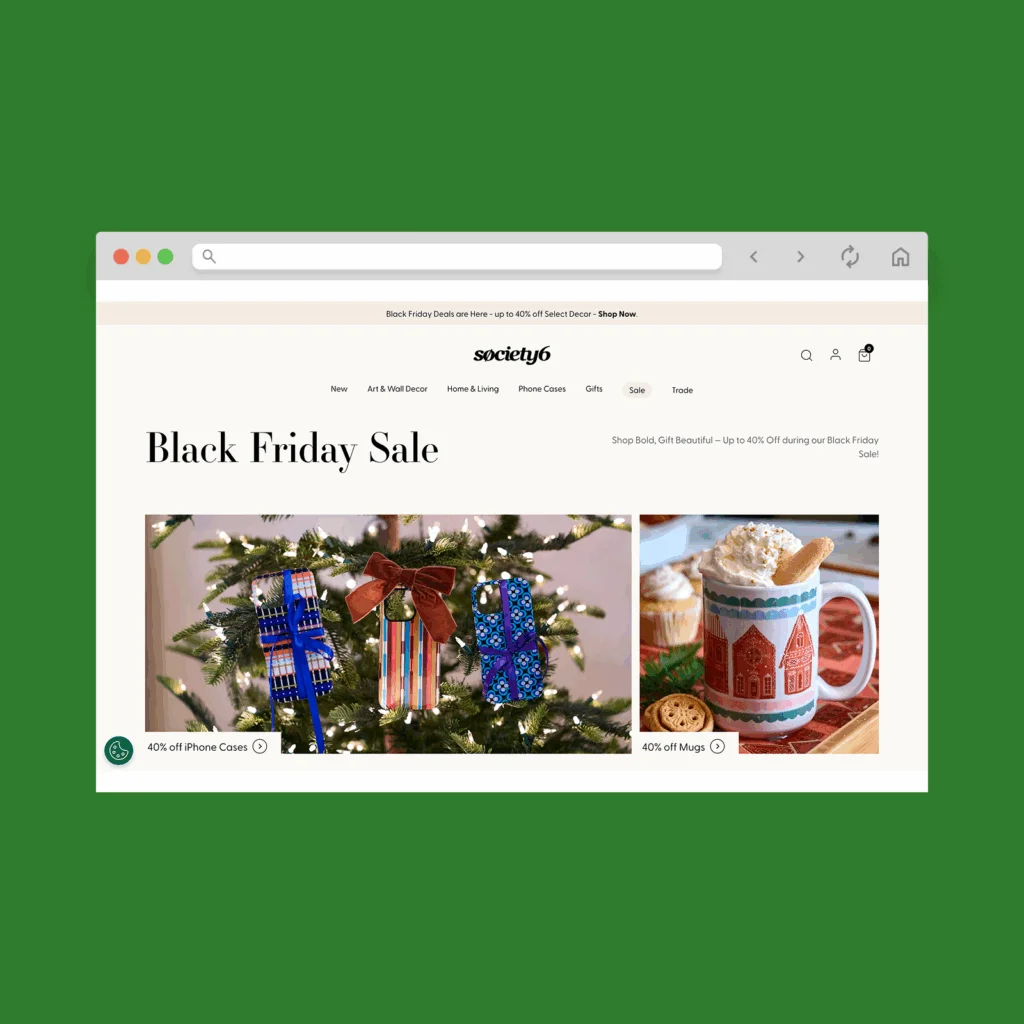
Society6 is a print-on-demand marketplace that curates art-forward products for design-savvy shoppers. It’s tailored for artists who want to turn their original artwork into wall art, furniture, decor, and lifestyle goods. The platform also offers a global artist community and tools to help creators grow their visibility.
Pros:
- Product range: The platform’s unique products let independent artists showcase and sell their work on everything from furniture to tech accessories.
- Community support: Artist-focused platform offers promotional tools and exposure opportunities.
- Print quality: The high print quality ensures the artwork looks clean and professional.
- Wide reach: Printing facilities in multiple countries and the shoppable online gallery make your art accessible to a big audience.
Cons:
- Profit margins: Lower profit margins because of the platform’s pricing structure and transaction fees.
- Limited integration: Few ways to customize your shop or link it to other platforms.
- Analytics: Basic performance tracking and a slower dashboard experience.
6. Redbubble
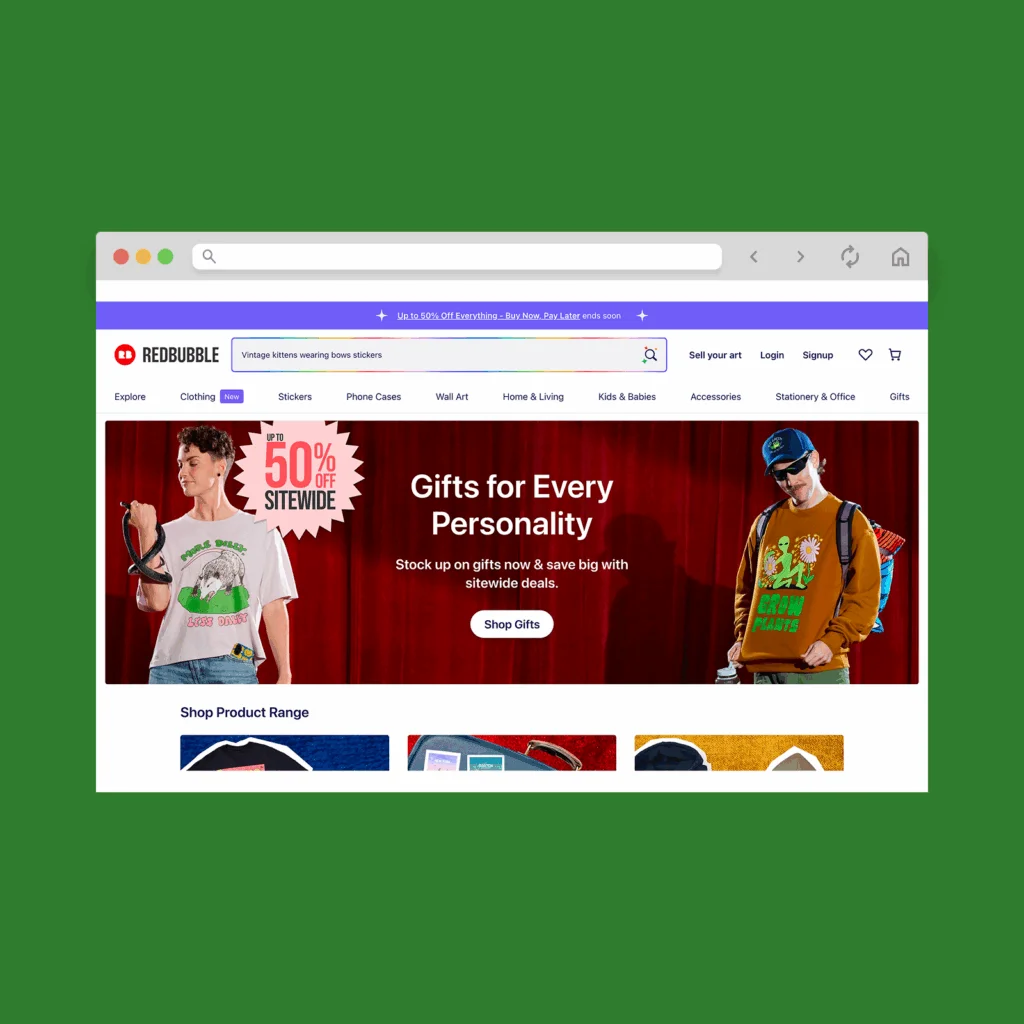
Redbubble is a print-on-demand marketplace built for independent artists. It specializes in apparel, stickers, wall art, and accessories, and offers a built-in audience of shoppers looking for original, artist-designed products.
Redbubble handles printing, shipping, and customer service through a global network of third-party manufacturers.
Pros:
- Product range:Offers a large selection of products – from t-shirts and stickers to wall art and phone cases.
- User-friendly:It’s easy for artists to upload their designs with automatic previews and templates for product placement.
- Community support: Includes artist forums, a help center, and occasional site-wide promotions that highlight new designs.
Cons:
- Lower margins:Redbubble sets the base price. Artists control only the markup, which can lead to low profits.
- Approval process: Designs don’t require pre-approval, but content is reviewed post-upload for copyright and guideline violations.
- Quality variability: Since Redbubble works with various third-party producers, product quality and shipping times can vary by region and item.
7. Saatchi Art
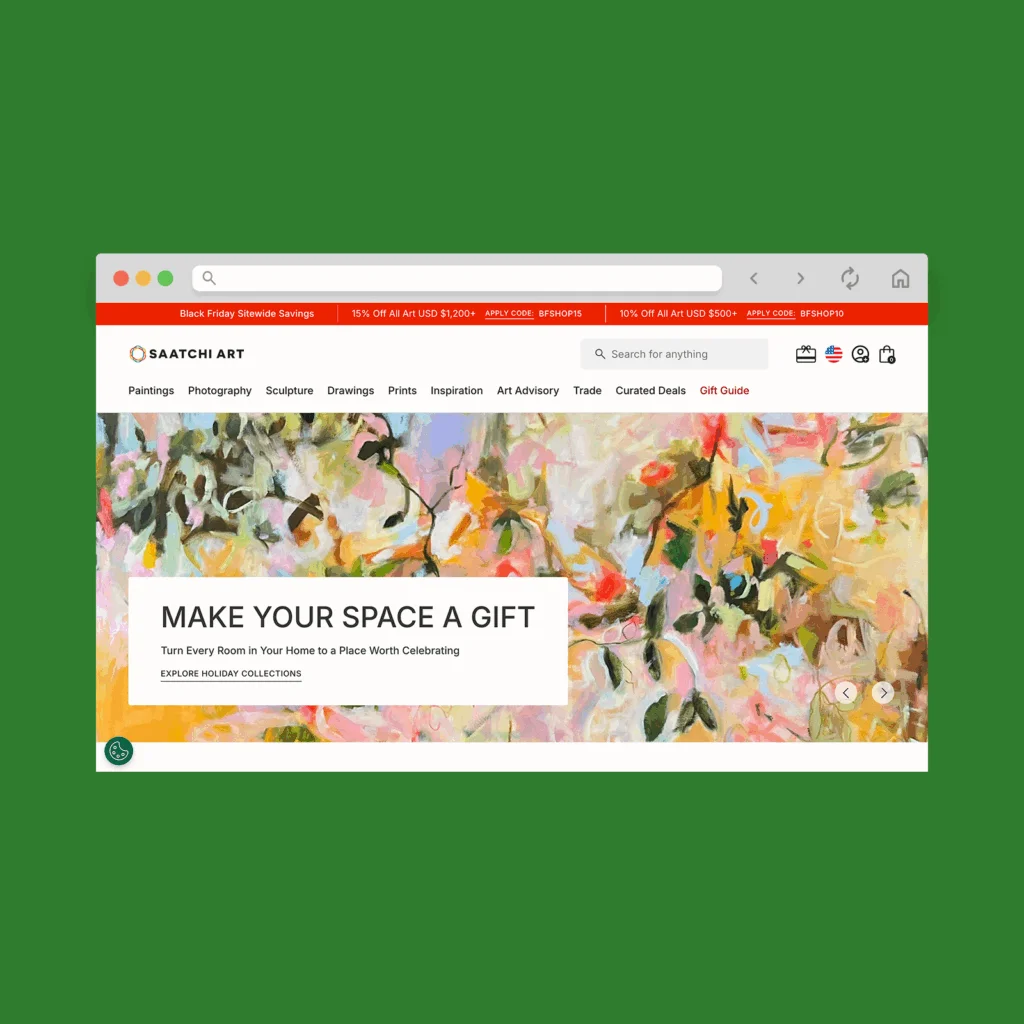
Saatchi Art offers a print-on-demand service for open-edition prints, handling both production and global shipping. Artists can sell reproductions of their work, like paintings, photography, and high-quality prints, without managing inventory. The platform connects creators with art buyers through a curated gallery and offers added exposure through editorial features and art fairs.
Pros:
- High visibility: Artists benefit from global exposure through Saatchi’s gallery, editorial coverage, and art events.
- Quality standards:Prints are professionally produced and handled in-house.
- Artist support: The platform offers in-depth guides and resources to help artists succeed in promotion and presentation.
Cons:
- High commissions: The high fulfillment price tag may deter some artists.
- Product range: Print-on-demand options are limited to fine art prints – no apparel or lifestyle items are available.
- Onboarding difficulty: While anyone can join this online marketplace, gaining traction in the curated environment takes time and effort.
8. Zazzle

Zazzle is a print-on-demand marketplace where artists can sell designs on everything from apparel and mugs to cards, invitations, and home goods. It’s especially popular for personalized gifts, stationery, and holiday items.
Artists can sell on-demand products or pre-made physical products, set their own royalty rates, and customize their storefronts to reflect their own artistic style.
Pros:
- Product variety: Offers a massive selection of customizable products.
- Design tools: Robust editor with fonts, filters, and clipart to help artists build product listings.
- Customizable storefront: You can brand your own store with custom banners, logos, and curated collections.
Cons:
- No integrations: Zazzle is a closed site and doesn’t support integrations with popular eCommerce platforms and marketplaces like Shopify or Etsy.
- Quality: No control over quality since Zazzle handles all production.
- Market saturation: High competition makes it harder to stand out without solid marketing strategies.
9. Displate
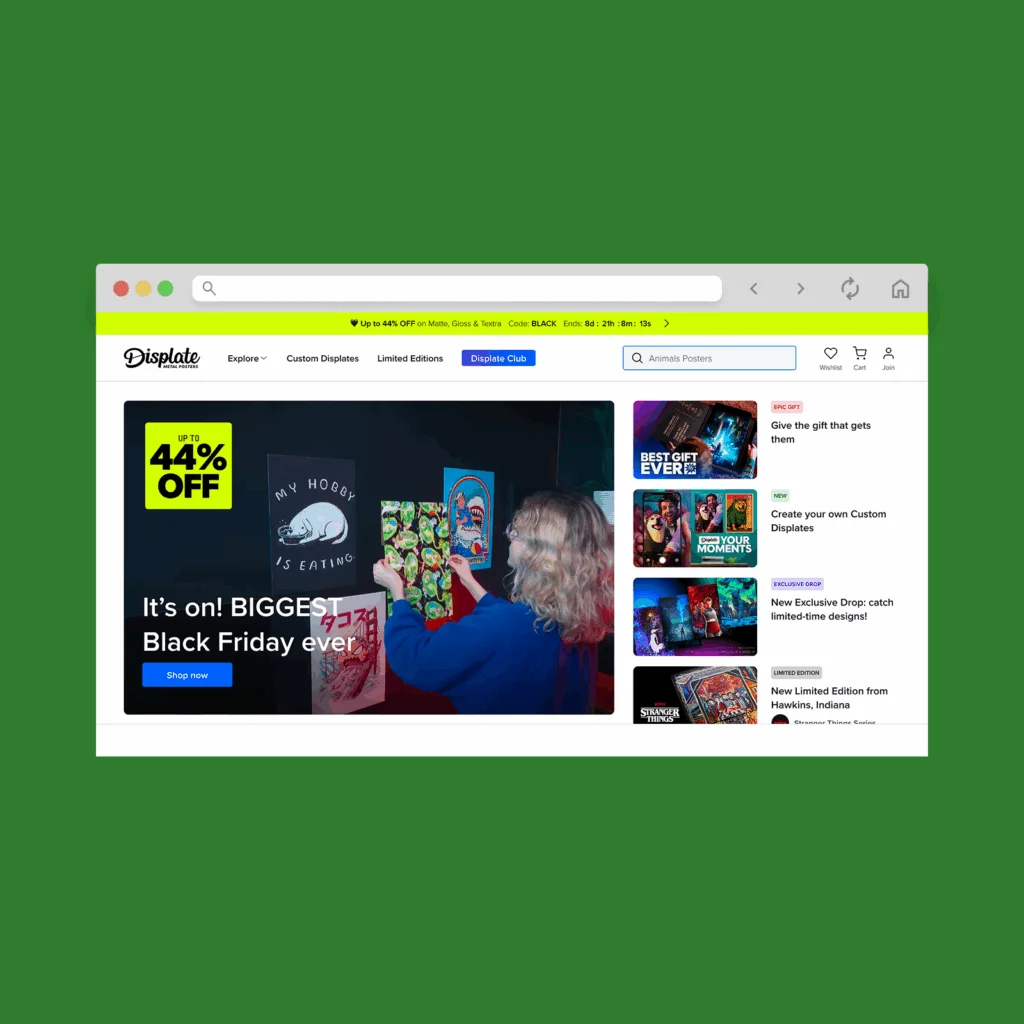
Displate is a print-on-demand marketplace that enables artists to sell artwork as high-quality metal prints. It’s built around a single, premium product, catering to customers seeking durable, ready-to-hang wall art.
Pros:
- Unique product: Metal prints offer a sleek, durable finish that sets them apart from paper or canvas.
- Niche market: Appeals to a niche market or art lovers who value collectible wall art, especially in gaming, movies, and fantasy genres.
- Easy-to-use: Clear onboarding and help resources for setting up and managing your portfolio.
Cons:
- Product range:Limited to metal prints only, which might not appeal to all customers or work for all artistic styles.
- Inflexible pricing model:Artists earn set royalties – there’s no option to set their own retail prices.
- No integrations:You can’t connect your Displate listings to external marketplaces or eCommerce platforms.
10. Amazon Merch on Demand
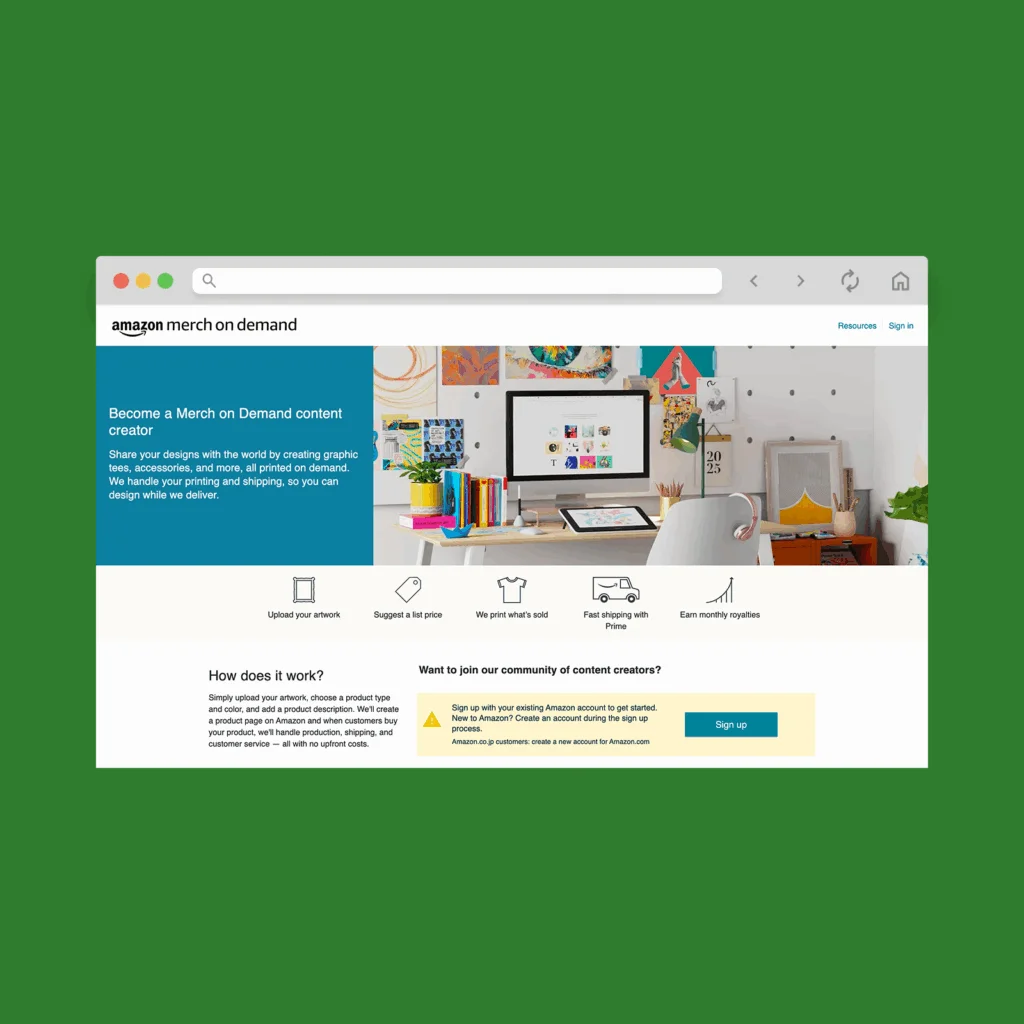
Amazon Merch on Demand lets artists sell designs on Amazon-branded products like t-shirts, hoodies, and phone cases. Products are fulfilled by Amazon, listed directly on the marketplace, and orders are fulfilled with Prime-eligible shipping.
Pros:
- Reach a global market: Access to millions of Amazon shoppers and built-in marketplace traffic.
- Easy to use: Simple onboarding process and hands-off order fulfillment.
- Fulfillment network: Amazon prints and ships products with Prime delivery speed and support.
Cons:
- Competition: A highly saturated market that requires stronger marketing efforts to compete with other artists.
- Product selection: Limited catalog focused on apparel and accessories – no wall art or prints.
- Inflexible pricing: Amazon’s product pricing structure doesn’t allow artists to set their own prices like most other print-on-demand services.
11. Teepublic
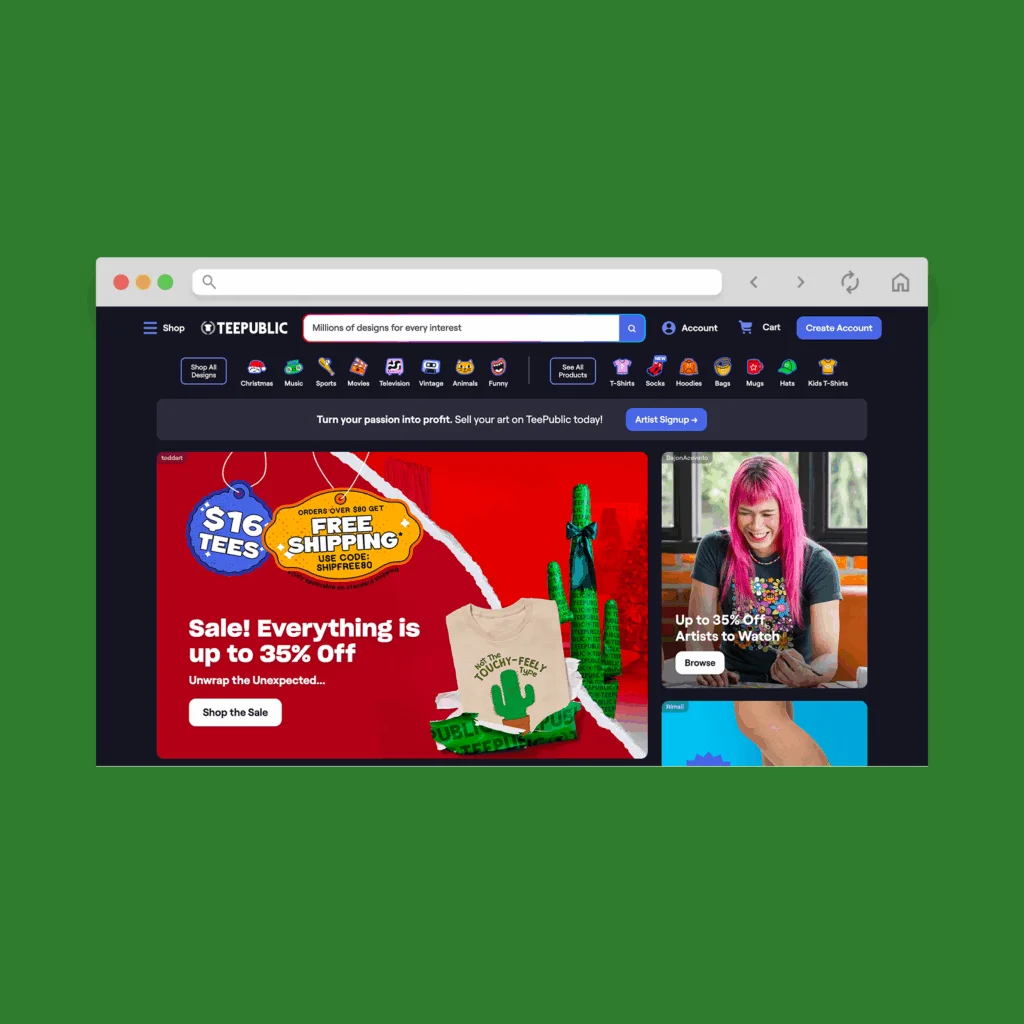
TeePublic is a print-on-demand marketplace where artists can sell designs on products like t-shirts, hoodies, mugs, and stickers. The platform handles printing, shipping, and customer service, allowing artists to focus on creating and uploading designs.
Pros:
- Ease of use: Simple upload process and user-friendly interface make it accessible for new artists to start selling.
- Built-in audience: Access to TeePublic’s existing customer base without the need for personal marketing.
Cons:
- Limited pricing control: Artists can’t set their own prices – royalties are fixed and may be lower during promotions.
- Branding limitations: Customization of storefronts is minimal, limiting brand identity expression.
- No external integrations: TeePublic doesn’t connect with other eCommerce platforms or personal websites.
12. Teespring Marketplace
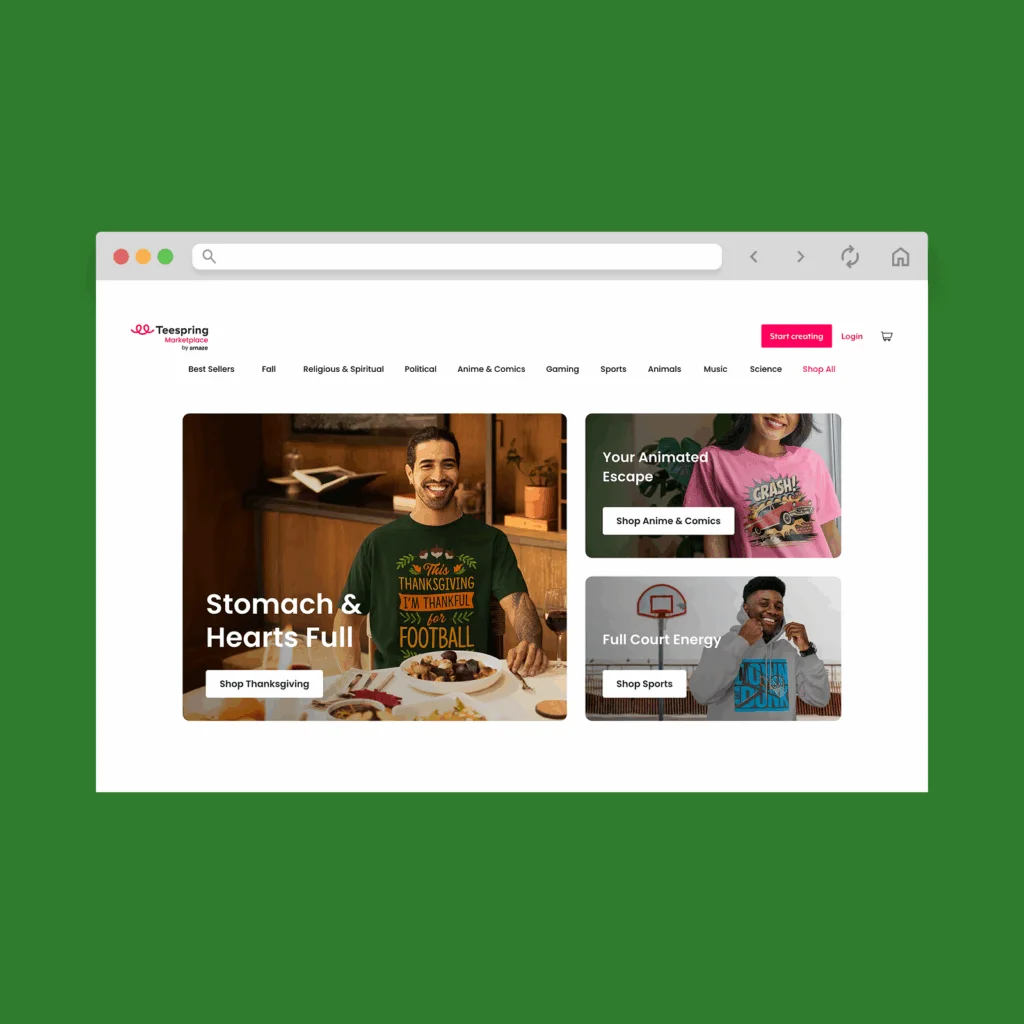
Teespring Marketplace is a print-on-demand platform tailored for creators aiming to sell custom merchandise directly to their audience. It offers a free, hosted storefront and integrates seamlessly with major social media platforms like YouTube and TikTok, making it especially appealing to influencers and content creators.
Pros:
- Digital product support: Beyond physical merchandise, Spring allows artists to sell digital items like eBooks and wallpapers.
- Social media integration: Direct connection with social platforms enables artists to market products seamlessly to their followers.
- No upfront costs: Creators can launch products without any initial investment, as Spring operates on a per-sale production model.
Cons:
- Limited storefront customization: The platform offers basic branding options, which may not be sufficient for creators seeking a fully personalized store.
- Restricted integrations: Spring doesn’t support integration with external eCommerce platforms like Shopify or WooCommerce.
- Variable product quality: Some users have reported inconsistencies in product quality and shipping times.
How to choose the right print-on-demand platform for your art

Choosing between print-on-demand websites for artists depends on your goals, the type of product you offer, and the level of control you want over your brand and pricing. Here are some things to consider.
1. Know your audience and product focus
Start by identifying what kind of art you’re selling and who it’s for. Are you offering fine art prints for collectors, graphic design prints on everyday products, or custom designs for your existing audience?
- If you’re focused on selling fine art or framed prints, platforms like Fine Art America and Saatchi Art offer gallery-style listings, attracting buyers specifically looking for high-quality wall art.
- For more versatile design applications – like apparel, mugs, phone cases, and canvas prints – consider Printify or Printful. Both POD services give you global reach, the flexibility to apply your art across a large range of products, and sell through your own website or marketplace of choice.
- If you’re a content creator or influencer with an existing following, Spring makes it easy to connect your products directly to platforms like YouTube or Instagram.
- If exposure through an existing marketplace is the top priority, Redbubble and TeePublic allow artists to list their designs in front of a broad, global customer base without marketing from scratch.
2. Evaluate product range
The type of products you want to sell plays a big role in choosing the right platform.
- If variety matters, consider Printify, Printful, or Zazzle for their broad catalogs.
- If you want to focus only on high-end wall art, platforms like Displate for metal prints, Fine Art America, and Saatchi Art for fine art prints are more targeted.
3. Check pricing and profit margins
Every platform handles pricing differently. Some allow artists to control it, while others don’t. If you want to make money as an artist, you need to be extra mindful of which POD service will set you up for maximum profits.
- With Printful and Printify, you set your own retail prices. This means you can calculate exact profit margins, run sales, and adjust pricing based on demand.
- Platforms like TeePublic, Redbubble, and Saatchi Art offer fixed base prices and limited pricing flexibility. You earn a set royalty or markup, which can drop during sitewide promotions.
- Zazzle offers more control with adjustable royalty rates, but high base prices can impact customers’ willingness to pay.
4. Consider branding and customization
If you’re building a brand, look for platforms that let you control the appearance of your store and products.
- On Printify, several Print Providers let you add custom neck labels and packaging inserts.
- Printful offers extensive branding options, including custom inside and outside labels, packaging inserts, and the ability to use your own branding on packing slips.
- Spring offers storefront customization with features such as hero banners, custom buttons, and the option to connect a custom domain.
- Zazzle enables sellers to personalize their storefronts with custom images, colors, and themes, offering a degree of brand expression.
- Redbubble and TeePublic offer limited storefront customization, primarily allowing changes to profile images and banners. These platforms focus more on the marketplace aspect, with less emphasis on individual branding.
- Saatchi Art provides minimal customization options, focusing instead on connecting artists with collectors.
5. Look at integrations and ease of use
When choosing a platform, consider where and how you want to sell. POD companies with robust integration options like Printful, Printify, and Gelato offer greater flexibility for expanding your online presence to several eCommerce platforms or even your own website through a custom API.In contrast, marketplace-focused platforms like Zazzle and TeePublic are better suited for standalone storefronts that do not require external integrations.
6. Factor in fulfillment and delivery
Reliable shipping can impact customer satisfaction and reviews.
To choose the right platform:
- Check production times. Look for platforms that clearly state how long it takes to fulfill an order.
- Review shipping options. Compare standard vs expedited delivery, especially for international orders.
- Consider location. Platforms with local or regional fulfillment centers often ship faster and cheaper.
- Test quality. Order samples to evaluate shipping speed, packaging, and product condition before going live.
Start your art business with Printify today
The best POD products for artists
There are tons of amazing print-on-demand art products to sell. We guarantee you’ll find the perfect items for your target audience.
Wall art
Sell your work as framed prints, canvas, or posters. Framed and canvas prints elevate art as statement pieces, while posters and tapestries offer affordable, flexible display options.


T-shirts
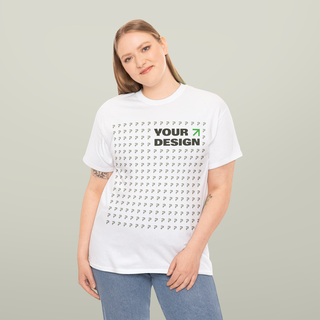
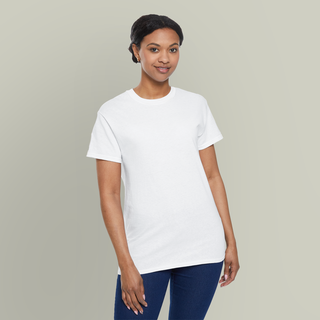
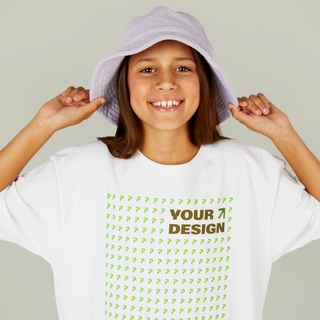
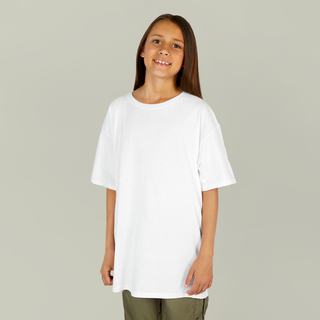
Put your art on best-selling t-shirts to get more eyes on your work. Offer unisex styles, long-sleeve options, and kids’ sizes to appeal to diverse audiences.




Stickers
Stickers are low-cost, high-impact. Offer kiss-cut, die-cut, and sheets for laptops, water bottles, or notebooks – easy wins for impulse buyers.


Phone cases
Design protective or flexible cases to keep customers’ phones safe in style. Our eco-friendly phone cases are extremely popular and ideal for showcasing nature-themed or patterned art.


Stationery
Artistic journals and calendars are perfect for those who enjoy sketching, planning, or keeping diaries, while personalized greeting cards can be an excellent way to let your art do the talking on occasions like birthdays, anniversaries, and holidays.


Tote bags
Totes combine function with style. Large print areas and daily use make them ideal for big, attention-grabbing designs – especially for eco-conscious buyers.
FAQ
Printify is ideal for artists who want a wide range of products and low base costs. It connects you with a global network of Print Providers and integrates with platforms like Shopify and Etsy.
Printful is ideal for artists who prioritize quality and branding. It offers consistent production standards, custom branding options, and seamless integrations.
For fine art prints and gallery exposure, Fine Art America is a top choice. It specializes in wall art, framed prints, and connects artists with collectors.
Each platform offers unique benefits, so choose one that aligns with your art style, audience, and sales goals.
The best place to sell art prints depends on your goal and target audience. If you want a highly-branded site and are willing to do all your own marketing, setting up your own store on a platform like Shopify is a great option.
If you want a built-in customer base that’s very into fun, customized art, Etsy or Redbubble may be the place for you.
As an artist, the best way to sell prints is through a print-on-demand platform that aligns with your style and audience.
Start by digitizing your artwork and choosing a platform like Printify, Redbubble, or Fine Art America. Upload your designs, select products, set your pricing or royalty rate, and promote your store via social media, email, or online communities. This approach minimizes upfront costs and automates production and shipping.
Final thoughts
Art is meant to be shared, and Print on Demand gives artists the opportunity to do just that without any upfront inventory costs!
Thanks to the huge variety of customizable products, there are more ways than ever to get your art out there in ways everyone can enjoy. Whether it’s apparel and home decor from Printify, limited-edition prints through Saatchi, or metal prints from Printful or Displate, you can reach customers worldwide with your art.
Write down your goals, budget, priorities, and royalty rates you’re aiming for. Then, choose from the best POD sites for artists we’ve covered in this article.