


Sell custom products with Printify
Discover how to start a fitness clothing line using Print on Demand (POD) and easily enter this profitable industry with Printify.
We’ll cover everything from market research to product selection to help you flex those entrepreneurial muscles and tap into the lucrative workout clothing market.
What you need to know before starting a fitness clothing line
Before you build your business, understand the fundamentals of the industry. The global athleisure market is projected to hit $190.68 billion by 2030, showing strong momentum for new fitness apparel brands entering the field.
Is a fitness apparel niche profitable?
Yes – when you can find a gap in the market, define your target audience, and align your pricing with industry trends and customer expectations.
Is the niche saturated?
Parts of it are, but buyers constantly shift between gym wear, workout clothes, and athleisure trends. Strong positioning, collabs with fitness influencers, and a clear brand message help cut through the noise.
The fitness clothing market is worth exploring if you have a clear niche, strategic branding, and a strong understanding of potential customers.
How to create a fitness brand in 9 steps
Launching a sportswear brand follows the same process as launching any other brand. You need to find an idea that fills a market gap and sell it to your niche audience.
Here’s a comprehensive guide to everything you need – from drafting a business plan to creating your sales strategy and branding.
1. Research the market and select a niche
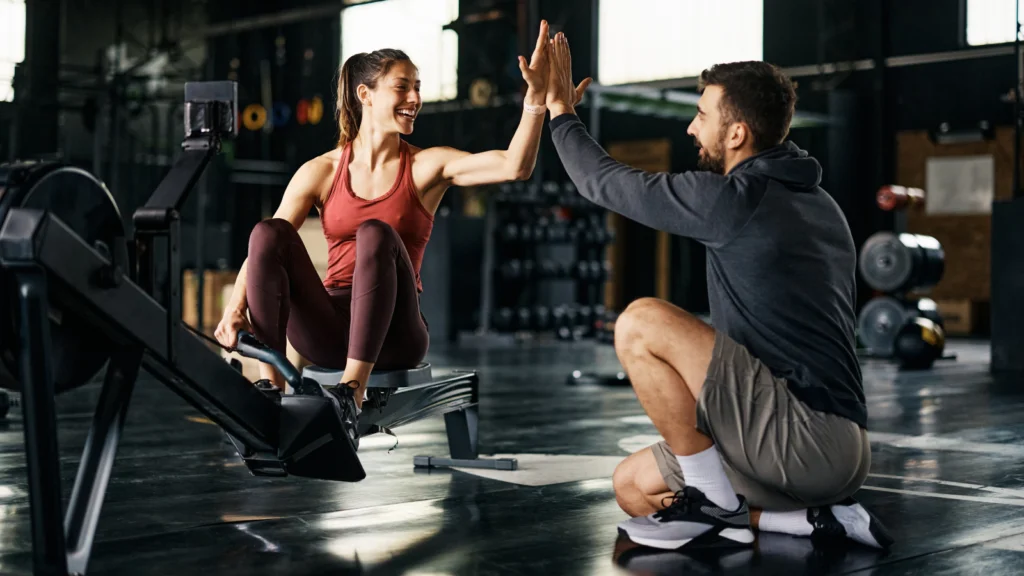
Conducting relevant industry research will help you find your customer niche and learn about current sportswear fashion trends and best-selling products.
Use Google Trends to explore what’s in demand, or grab some ideas from the suggestions below.
eSports. Competitive multiplayer gaming events have surged in popularity, amounting to an audience of over 640 million people and a global market revenue valued at $2.89 billion.
That means there’s a growing number of people wanting to purchase eSports-themed attire. We’re talking shirts, custom-printed hoodies, leggings, socks, and more.
Yoga.One in six Americans practices yoga, with the industry projected to reach $215 billion by 2025. This is your sign to start an athletic clothing business in this niche.
Top items to sell to yoga enthusiasts include leggings, socks, tank tops, and mats.
Home gym. With35% of Americans working remotely or in hybrid setups, many adapt their workout routines for home. It shows no signs of slowing down, and the global sports apparel market is set to reach around $245 billion by 2026.
A yoga mat near their desk, sneakers for morning runs, or a dedicated gym space – the sky’s the limit for selling gym clothing and accessories.
Athleisure or activewear. Your athletic apparel business doesn’t need to focus on just one product type.
Create buyer personas to set your athletic wear line up for success. Cater a range of items – like hats, bandanas, and vests – to your target customers, whether they’re runners or pilates enthusiasts.
2. Decide on your production model
The production method you choose defines your pricing flexibility and long-term scalability for standing out in a competitive market.
Each option has strengths depending on your vision for your own fitness clothing line and your budget for creating workout clothes.
Print on Demand for a fitness apparel business
The print-on-demand model lets you launch without holding inventory. With Printify, your items are produced only when someone orders, which minimizes risk and removes upfront production costs.
This is the fastest and safest way to validate a new fitness clothing line and test design ideas.
| Pros | Cons |
| No inventory, no upfront costs | Harder to differentiate for premium performance wear |
| Quick setup and low financial risk | Limited control over fabric composition |
| Easy to test new gym wear designs and niches | Variation between providers |
| Automatic fulfillment and shipping | |
| Simple to scale in the long run |
Best for:Entrepreneurs who want to launch their own fitness clothing line with minimal risk. Ideal for trend testing, beginners, and creators who value speed and flexibility over full production control.
Bulk manufacturing
Bulk manufacturing gives you full control over materials, features, labels, and sizing. You produce large batches at once, which reduces per-unit costs but requires upfront investment.
Expect minimum order quantities (MOQs), lead times of several weeks, and the responsibility of managing stock.
| Pros | Cons |
| Lowest per-unit costs at scale | High upfront investment |
| Full control over fabrics, production, and performance features | MOQs create financial pressure |
| Consistent quality across batches | Long production timelines |
| Strong differentiation opportunities | Inventory risk if items don’t sell |
| Supports premium branding | Requires storage, logistics, and market forecasting |
Best for:
Gym clothing brands with an established audience and predictable demand that are aiming to build a premium brand identity and compete with established activewear manufacturers.
Private labeling and white labeling
With private label and white label, you start with pre-made products from clothing manufacturers, customize them, and sell them under your own fitness brand identity.
White label offers minimal customization, like adding logos, while private label allows more control over branding and select product details, like fabric or color choices. Unlike POD, however, these models often require upfront investment and inventory.
This option balances speed, quality, and moderate investment while offering less risk than full manufacturing.
| Pros | Cons |
| Faster launch than bulk manufacturing | Limited ability to modify core product structure |
| Moderate MOQs and predictable production costs | Lower customization range than custom manufacturing |
| Good compromise between speed and differentiation | Some items may overlap with other sellers |
| Stronger brand control with private label (labels, colors, packaging) | Requires more upfront planning |
| May still require storage space |
Best for:
Sellers who want higher control and better margins without committing to large MOQs. Ideal for transitioning from a dropshipping model into a more established fitness brand.
3. Choose what products to sell
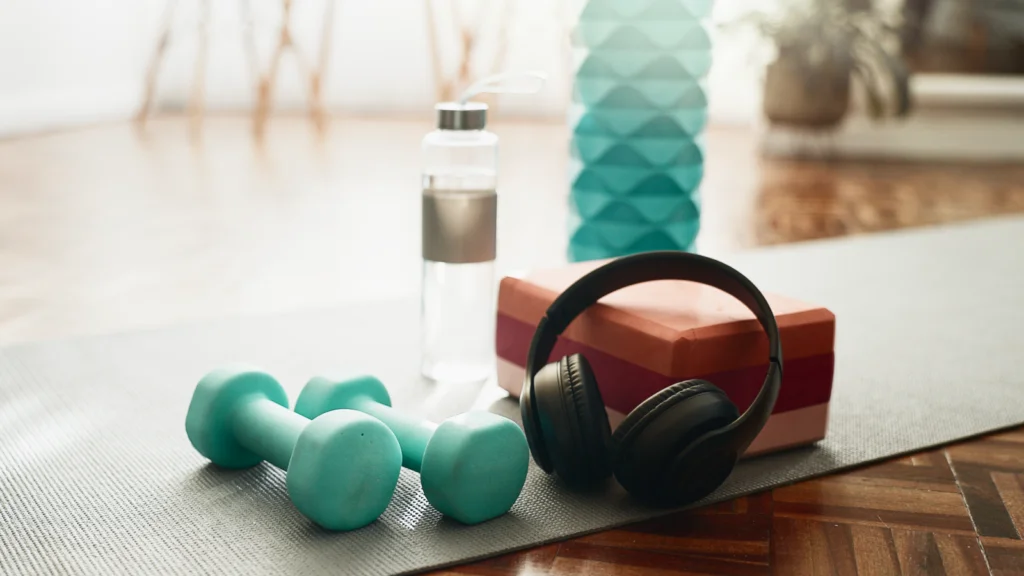
When learning how to start a gym clothing line, understand that you’re stepping into a saturated market. Choosing the best clothing products and accessories is one way to stand out among other fitness apparel brands.
Check out our products in the Printify Catalog. From fitness apparel and equipment to accessories like custom backpacks and water bottles, they’re perfect for casual athleisure fans and active gym members.
Printify fitness products
Offer items that cater to different areas of the activewear market, whether it’s sportswear, streetwear, or athleisure.
Here are four product categories and some top picks from the Printify Catalog to help you carve out your niche:
- Sportswear essentials – A core product category blending durability and comfort. Check out our Adidas Unisex Sport T-Shirt that’s perfect for intense workouts. Pair it with our Men’s Jogger Shorts or Women’s Leggings for a full activewear set that customers will love.
- Streetwear meets fitness – Combining fashion-forward designs with functionality, the Champion Hoodie and Champion Sweatshirt offer a cozy yet stylish option for post-workout wear.
- Athleisure appeal – The perfect middle ground between sportswear and casual wear, the Adidas Fleece Hoodie and Adidas Fleece Joggers are great options that blend comfort with a sleek, modern design.
- Accessories – To complete your customers’ look, offer Gym Socks, footwear like Men’s Mesh Sneakers and Women’s Mesh Sneakers, and a Gym Duffle Bag wrapped in custom designs.
Whether your customers are hitting the gym or just enjoying a casual day out, your custom Printify product line can cater to their needs with style and functionality.


4. Order samples and test product quality
Before launching your athletic wear business online, order samples from your chosen clothing manufacturers or POD provider. This helps confirm quality, performance, and whether the product reflects what your brand stands for.
What to evaluate
- Stretch recovery
- Stitching durability
- Fabric density
- Colorfastness
- Squat test for leggings
Fit testing
Try items on different body types to spot issues with sizing, compression, and movement. A good fit builds customer loyalty and aligns your products with your target audience.
Revise after feedback
Use testing results and early customer feedback to refine designs, adjust prints, or switch materials so your gym clothing meets performance expectations.
5. Calculate costs, set pricing, and plan your margins
To keep your gym clothing brand sustainable, map out every cost tied to production and delivery. Include the product cost, shipping, packaging, and marketing.
Sellers using print-on-demand services avoid bulk spending but work with thinner margins, while manufacturing your own line increases risk but improves long-term profit potential.
A simple starting point for pricing is:
Retail price = Total cost × 2
Other methods include using value-based pricing orcompetitive positioning to match your product to your target market, whether you aim for premium or budget-friendly.
Most activewear brands aim for a 20%-60% margin depending on fabric quality, construction, and niche demand. Clear pricing helps you attract customers and maintain healthy growth.
6. Develop a brand
The next step in how to start an athletic clothing brand is crafting a business name. This will help your new business develop a fitness brand identity and establish a unique selling point to the target audience.
- What’s your purpose? What will make your new fitness clothing line different from all other sports clothing businesses?
- What are your brand values? If you support an important cause, communicate it clearly on your About page so customers understand what you’re all about.
Next, start working on the visuals for your gym apparel line. This includes the product designs, brand logo, and the appearance of your online store.
7. Set up your store and sales channels
Choosing the right platforms is one of the most important steps when building a fitness clothing line. Each marketplace attracts a different target audience, so evaluate where your buyers already shop.
Shopify
Shopify is the best choice if you want a fully branded online store with control over design and the overall customer experience.
Ideal for sellers and new business owners who want independence from marketplace algorithms and a strong foundation for future growth.
| Pros | Cons |
| • Full control over branding • Scales through apps and automations • Great for expanding product lines | • Monthly subscription fees add up • Requires generating your own traffic |
Etsy
Etsy works well for an activewear clothing line with quirky designs or niche themes. Its built-in audience actively searches for unique products, which helps smaller brands gain early traction.
The platform is especially useful for testing demand, validating styles, and understanding what resonates before investing more into building a fitness brand.
| Pros | Cons |
| • Built-in niche audience • Easy setup and low barriers • Strong search visibility inside Etsy | • Etsy fees on sales • Limited storefront customization |
Amazon
Amazon is the right fit if you want broad exposure and high search visibility in the fitness clothing market. It’s a strong channel for sellers who prioritize volume and fast delivery.
Ideal for brands confident in their product quality and ready to stand out through reviews, competitive pricing, and clear product positioning.
| Pros | Cons |
| • Massive customer base • High search visibility • Access to fast fulfillment options | • Intense competition • Strict selling policies and fees |
TikTok Shop
TikTok Shop suits brands that rely on dynamic content and fast-moving market trends. If your activewear performs well in short video formats, this channel can rapidly increase visibility and sales.
It’s especially effective for sellers who collaborate with fitness influencers or build a lifestyle narrative around their activewear clothing line.
| Pros | Cons |
| • High conversion potential from engaging video content • Strong creator and influencer ecosystem • Direct in-app purchasing | • Requires frequent content output • Reach varies with algorithm shifts |
Instagram Shop
Instagram Shop is a strong choice for engaging a target audience that follows fitness routines, outfit ideas, and creators.
Selling on social media is best for brands that want a polished online presence tied closely to their brand identity.
| Pros | Cons |
| • Powerful visual branding opportunities • Easy collaboration with fitness creators • Smooth shopping experience inside the app | • Algorithm limits organic reach • Requires steady content and ad support |
8. Prepare a marketing strategy
Your fitness clothing business marketing strategy should adapt to each marketing channel you’re using.
Whether crafting engaging fitness lifestyle posts for Instagram or making TikTok videos, make sure to:
- Keep up with trends to create relevant content for your audience.
- Run ads for better visibility.
- Use each platform’s marketing tools to grow your fitness clothing business.
- Optimize your eCommerce shop for search engines.
- Link your online store to major social media platforms.
Focus on the tools and strategies that work best for each platform to connect with your audience.
Check out our marketing guides when tailoring your approach for an Etsy or Shopify store.
9. Scale your fitness clothing brand smartly
Once your own fitness clothing line gains steady traction, start planning how to grow brand loyalty.
- Expand your product line when sales patterns become predictable, adding new items such as tops, leggings, or yoga pants.
- When demand stabilizes, consider bulk ordering selected bestsellers to improve margins.
- Maintain strict quality control and use customer feedback to guide fit, durability, and performance standards.
- As operations grow, choose whether to outsource tasks like design or website maintenance, so you can focus on marketing your fitness brand.
Expand into boutique fitness studios, retail placements, or international markets once you have a consistent core audience and reliable production flow.
Tips for successfully starting a fitness clothing line business

Maintaining steady business growth when starting a fitness clothing brand means adapting to market demands and streamlining your operations.
Increase your chances of success in the fashion industry by following these additional tips to help your fitness business idea thrive.
Market in the right places
Consider multiple marketing channels to reach potential clients, but only stick with ones that provide a return on your investment. Weigh these factors to make an informed decision:
- Where do your customers spend most of their time?
- Which social media platforms do they use?
- What types of media do they consume?
Advertise your business website through these channels to gain the most reach for your new fitness clothing line.
Remember to keep track of your advertising expenses and metrics to ensure your ads bring in new and returning customers.
Automate repetitive tasks
Save time and increase your productivity by automating key operational features.
For example, instead of manually handling your own stock, connect your Printify account to a sales channel to quickly manage product listings and automate order fulfillment. Our activewear manufacturers will print, package, and dispatch products for you.
Some other aspects to consider automating are ads, email campaigns, and customer relationship management (CRM).
Expand your product selection
Once you start selling athletic wear, customers will provide feedback on which sports clothing products they like and want to see featured in your store.
This is all valuable information that will help you expand your fitness clothing line by adapting to customers’ needs and requests.
Be one step ahead
Having a solid business plan is just the beginning. To stay competitive, keep an eye on trends like:
- Customers’ spending habits
- Competitors’ products and strategies
- New items with a high profit potential
These are all crucial aspects of running a successful fitness clothing line.
The trends you follow will depend on the type of fitness line you have, but make sure to capitalize on opportunities before they go mainstream. Whether it’s men’s leggings or innovative sports bras, keep your store stocked with potential bestsellers.
Start a fitness clothing line with Printify

Break into the clothing industry from anywhere in the world with Printify.
We offer the lowest prices in POD, a global network of leading Print Providers, and a dedicated Support Team to help you maximize your eCommerce journey.
Step 1: Customize your products
Browse our Catalog to find the perfect products for your fitness clothing line, then upload your custom designs to our Product Creator.
Preview realistic mockups to see how the designs will look in real life and make adjustments if needed.
Step 2: Order a sample
Place sample orders to make sure your products match your expectations. Check the size, texture, fabric weight, and everything else that’s important to your customers.
Step 3: Publish fitness apparel to your store
Connect your Printify account to a store using our eCommerce integrations. Then, promote your store and start selling fitness clothing to customers worldwide.
Save up to 50% on shipping costs when ordering products for your fitness apparel line in bulk. It’s a cost-effective way to supply physical stores or local markets.
FAQ
Expenses vary depending on factors like sourcing materials, manufacturing, and marketing. To keep costs low, partner with a print-on-demand service like Printify. Just register for free and start selling immediately – no upfront costs required.
The costs to start a clothing line vary significantly depending on your business model and goals. Using a print-on-demand service like Printify is one way to reduce upfront costs. Whether you’re selling fitness apparel or casual clothing, you only pay once you make a sale.
Yes. Many sellers make a good profit with the right strategy and clear positioning, like tapping into niche markets or focusing on sustainable materials. Profitability and brand loyalty depend on factors like your unique selling point and product quality.
With the growing demand for activewear, a well-executed brand story can set you apart in the competitive clothing industry. This is especially helpful when targeting potential customers who follow fitness influencers and buy athletic wear consistently.
Not if you pick the right fulfillment model. Starting an athletic clothing line involves everything from choosing the right materials to creating a compelling marketing plan and selecting a manufacturing partner.
With Printify’s vast network of Print Providers and over 1,300 products, you can kick-start your business quickly – no upfront costs or inventory needed.
Look for materials that support versatile gym clothing, including moisture-wicking blends, four-way stretch fabrics, and breathable polyester that perform well through movement, heat, and repeated wear.
These work well for sports bras, yoga pants, and other essentials your target market expects from a fitness clothing line.
How to start your own gym clothing line: Conclusion
Now that you’ve learned how to start a workout clothing line, it’s time to start selling.
With Printify, you can design and sell activewear to your target audience with no inventory, no risk, and no upfront investment.
All you need to do is design and market your workout clothes to reach potential customers while we handle the rest, from production to shipping.