





Sell custom products with Printify
Selling digital planners vs physical journals comes down to more than format alone. This guide breaks down the pros and cons of each option, what sells better in practice, and how Printify makes it easy to sell physical journals online.
Digital planners vs physical journals: What exactly are they?
Digital planners
Digital planners are downloadable planning tools used on tablets, phones, or computers. They may include a digital calendar and reusable to-do lists that link to productivity or note-taking apps to help book meetings and keep track of work or personal life goals.
From a selling perspective, a digital planner business is easy to scale. Create the files once, sell them repeatedly, and deliver products instantly through platforms like Etsy – no printing, shipping, or inventory involved.
Physical journals
Physical journals are printed products. This includes paper planners, paper journals, and daily planners used for scheduling.
The appeal comes from the tactile experience of putting pen to paper and having a dedicated space for writing down thoughts, plans, and even quick scribbles.
Running a physical journal business involves producing and shipping a finished product, but Print on Demand (POD) makes the process much easier – removing the need for upfront stock. With print-on-demand journals, sellers just need to design, while their POD provider prints and ships each product only after a sale is made.
Why compare digital planners and physical journals for selling?
Each type of planner appeals to different shoppers and journaling styles. They also require a different setup on your end and differ in terms of pricing, delivery, and customer support.
Comparing both options helps you choose a planner format that fits your audience and growth goals. It also helps you decide where to invest time – creating digital planners for fast, low-cost delivery or using POD to sell physical journals with long-term appeal.
Pros of selling digital planners
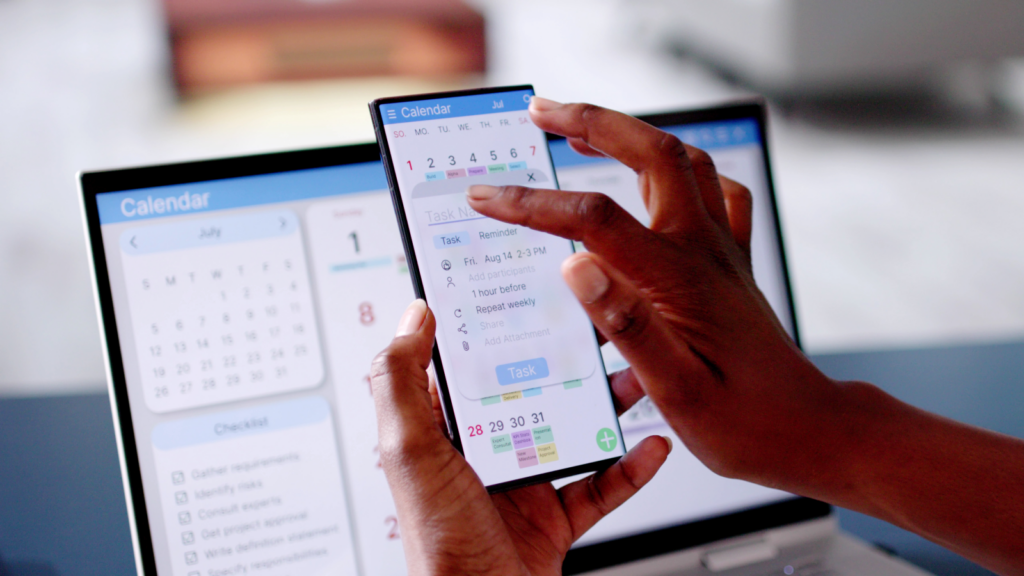
The global digital planner market is projected to grow from about $2.5 billion in 2021 to over $7 billion by 2033, which is why many sellers start with a digital or online version.
Here are some of the pros of digital planners.
Low overhead and no inventory
A digital planner business doesn’t require printing, storage, or shipping. After creating a planner, you can sell it repeatedly with minimal ongoing expenses, keeping margins high.
Global reach and instant delivery
Digital planners reach buyers worldwide without shipping limits or delays. Customers download their purchase instantly – Etsy digital planners are popular examples of this.
Scalability and unlimited sales
Digital planners scale without added workload. Sell one copy or thousands with the same effort, which makes growth easier to manage.
Easy updates and revisions
Digital planners are easy to update. Add new pages, adjust layouts, or fix issues without reprinting or replacing products.
User versatility and customization
Digital planners adapt to different planning styles, from managing to-do lists to organizing schedules across devices. Users can duplicate pages, add notes, use color-coding for tasks, and connect planners to productivity apps or a digital calendar to support their daily planning and personal routines.
Cons of selling digital planners
Exploring how to sell digital planners offers speed and scalability, but they also come with trade-offs. Understanding the cons of digital planners helps set realistic expectations.
High competition and market saturation
The low barrier to entry attracts many sellers. Marketplaces like Etsy can feel crowded, which makes it harder to stand out without strong branding, niche positioning, or ongoing promotion.
No tangible product or low perceived value
Some buyers prefer a paper planner they can hold, gift, or display. Digital planners lack that, which can limit perceived value and make pricing trickier compared to physical planners.
Dependence on software and technology
Digital planners rely on apps, devices, operating systems, and sometimes an internet connection. Software updates, app changes, or device preferences can affect how customers access and use the product.
Technical support burden for users
Customers often need help with downloads, file imports, or app settings. Since each app works differently, new users may face a learning curve, especially those who are less technically savvy. As a result, sellers may spend extra time answering technical questions.
Potential issues with refunds and digital piracy
Once a customer downloads a digital product, refunds become complicated. Digital files also carry a higher risk of sharing or piracy, which can affect your revenue in the long run.
Pros of selling physical journals

While digital planners scale faster, demand for physical planners remains strong, with the market projected to reach nearly $1.7 billion by 2033. These advantages explain why many people still prefer paper planning to stay organized today.
Tangible value and sensory experience
Writing by hand, turning pages, and using pen and paper create a sense of focus that many buyers prefer over apps on a screen.
Even with tools like an Apple Pencil, the physical act of writing things down in a paper planner feels different. This traditional approach helps users slow down, stay present, reduce stress, and build good habits that support mindfulness, emotional wellness, and even memory retention.
Higher perceived value and pricing potential
Many customers view paper calendars and printed journals as a premium product. A well-designed new planner feels more substantial than a downloadable file, which supports higher price points and stronger perceived value.
Profitability is one of the key benefits of physical journals for sellers.
Stronger emotional connection and gift appeal
Physical journals work well as gifts. They’re great for birthdays, holidays, personal milestones, and even corporate gifting. The emotional connection tied to journaling, goal setting, and daily reflection makes physical planners easier to position as thoughtful, meaningful products.
No inventory or upfront costs with Print on Demand
Selling physical journals doesn’t require bulk printing or storage when you use POD. With Printify’sjournals, we produce items only after a customer places an order, which helps avoid unused stock.
Sellers can also order samples to check quality and design before selling, helping to ensure the final product meets expectations.
Easy order fulfillment and global shipping
Using a POD provider like Printify removes the hassle of printing, packing, and shipping. Order fulfillment is automated, so you can reach customers worldwide while leaving the logistics to us.
Learn more about how Printify works.
Opportunities for unique branding and designs
Physical journals give sellers room to stand out through custom covers, layouts, and finishes. Unique designs, niche themes, and branded details help you create products that feel personal and memorable, not generic.
Digital vs physical planners: Which should you sell?

Choosing the right planner to sell comes down to your workflow, target audience, and long-term business goals.
Digital planners offer low startup costs, fast updates, and unlimited scalability. The trade-offs include heavy competition, reliance on software, and ongoing customer support. The digital option works best if you’re comfortable working with planning apps, handling technical questions, or outsourcing support when needed.
Physical journals move at a steadier pace, but they deliver stronger perceived value, emotional appeal, and gifting potential. While printing and shipping add complexity, POD removes inventory risk and simplifies fulfillment through platforms like Printify. This makes physical planners a strong choice for sellers who want tangible products and long-term brand building.
Many successful sellers choose a hybrid approach. Digital planners work well for testing ideas, launching quickly, or offering low-cost entry-level products. Offer physical journals as premium items that customers can hold, gift, and reorder. Selling both helps you reach different buyers, balance risk, and build a more flexible planner business.
How Printify empowers your physical journal business

Physical journals offer strong value, but execution matters. This is where Printify steps in.
What kinds of journals and notebooks can you create with Printify?
Printify gives you plenty of options to work with. You can choose from hardcover, softcover, and spiral journals in different sizes and materials, depending on how you want your product to look and feel.
You can also sell complementary products like custom sticky notes and note cubes. These work well for quick journaling, reminders, or building simple memo habits.
Customization is simple. Choose lined or blank layouts, select different finishes, and design the front and back covers easily using Printify’s Product Creator. Upload your own images or create new designs from scratch using the built-in design tools.


How to start selling custom journals with Printify
Creating custom journals with Printify is easy and straightforward, even if this is your first product. Here’s how:
- Create a free Printify account to access our Catalog, design tools, and print-on-demand network.
- Choose a journal or notebook fromthe available selection that fits your style, format, and price range.
- Customize your design withthe Product Creator and preview your journal before publishing.
- Publish your custom journal design to your online store and start selling. Printify handles printing and fulfillment as orders come in.
Don’t have a store yet? Our guide on how to sell journals on Etsy can help you set one up and connect it to Printify for hassle-free, risk-free fulfillment.
Physical journals vs digital planners FAQ
The best journaling method is the one you actually stick with. Physical journaling can support deeper focus and memory retention. Research shows that writing by hand activates more brain regions linked to learning and recall than typing, which explains why many people find pen-on-paper journaling more reflective and mindful.
Digital planning, on the other hand, helps with convenience and consistency. Being portable and easy to update makes digital journals easier to maintain, which increases the likelihood that people stick with the habit over time.
Neither option is universally better. A digital planner suits people who manage busy schedules across devices, need quick updates, and prefer searchable, portable tools.
Physical paper planners work best for those who enjoy handwriting and want less screen time to practice more mindfulness.
In the end, the better choice depends on how you schedule your days and which format you’re more likely to use consistently.
Etsy is a top platform for selling planners, especially Etsy digital planners, thanks to its large audience and strong demand.
If you’re selling physical planners, Printify integrates with Etsy for automatic printing and fulfillment – simplifying the sale of your custom journals without inventory or shipping management.
Digital planners face heavy competition on marketplaces and rely on apps, devices, and software updates to work smoothly. Sellers often handle more technical questions, while refunds and file sharing can be harder to control once a customer downloads the product.
Yes, selling digital planners can be profitable thanks to low startup costs and high scalability once the product is created. Success depends on niche selection, competition, pricing, and consistent marketing, especially on crowded platforms like Etsy.
Yes. Many sellers offer both digital and physical planners in the same shop to reach different types of buyers. Pairing Etsy with Printify makes this easier, since you can sell print-on-demand physical planners without managing inventory or fulfillment yourself.
Paper, pixels, or both?
Both digital planners and physical journals can grow into successful businesses. Digital planners shine with speed, low costs, and easy scaling. Physical journals stand out with emotional value, gifting appeal, and stronger brand presence. Many sellers find the sweet spot by offering both.
If physical journals are part of your plan, Printify makes it simple to get started. Create custom journals, sell without inventory risk, and let us handle printing and fulfillment while you focus on growing your shop.