

Create a custom shirt with Printify
Selling print-on-demand t-shirts is simple. You create a design, pick a print-on-demand (POD) platform, and connect it to your store. As orders come in, your POD partner prints and ships everything for you. With no inventory or upfront costs, starting an online t-shirt business couldn’t get easier.
In this guide, we’ll walk you through how to sell print-on-demand t-shirts step by step. You’ll learn how the process works, create designs people actually want to buy, and avoid common mistakes as you grow your store.
Why start a print-on-demand t-shirt business
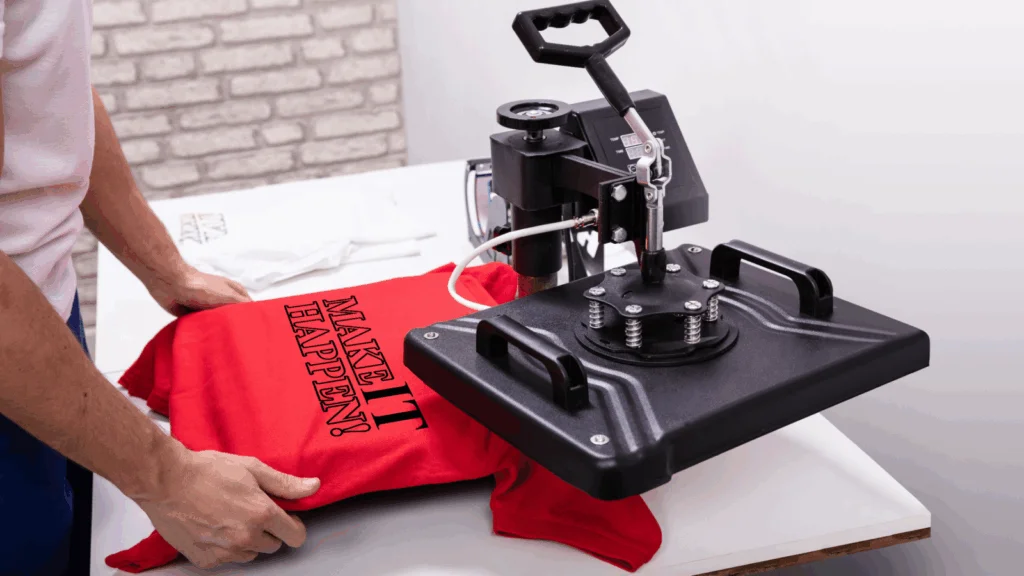
If you’re still on the fence about the POD model, here’s why it’s one of the easiest ways to start a shirt business online.
Low barrier to entry
Sell custom t-shirts without buying equipment, learning complex printing methods, or holding inventory. You simply design t-shirts, list them in your online store or marketplace, such as Etsy or Amazon, and your POD partner handles production and ships the shirts directly to customers.
Global demand
The custom t-shirt printing market was valued at $5.16 billionin 2024 and is projected to reach $9.82 billion by 2033, growing at an 11.5% CAGR. It’s safe to say that t-shirts are one of the most in-demand casual wear products online.
Since t-shirts are everyday wear for almost every target audience, there’s plenty of room to claim your niche with the right mix of materials, designs, and styles.
Easy idea testing
Since you don’t handle production, you can test new t-shirt designs and adjust your pricing strategy whenever needed. Launch a few custom t-shirts, gather feedback, track which ones attract customers, and use social media marketing or online communities to create buzz before scaling.
Extremely scalable
A POD apparel setup lets you start selling shirts as a small side project and grow into a full t-shirt business at your own pace. As sales pick up, you can refine your brand identity, expand customization options, build your own website, and improve your profit margins.
With competitive pricing and a clear target market, selling t-shirts online can be just the beginning of a long-term, profitable print venture. Megan Heckman, who built her growing POD brand between overnight nursing shifts, proves that it’s entirely possible.
How print-on-demand t-shirt selling works

Selling custom t-shirts with the POD model is simple and carries little to no risk. Here’s how.
1. Create your t-shirt designs
Begin with simple concepts tailored to your target audience, market trends, or a specific niche.
Look at what people are already buying, check customer reviews for recurring requests, and analyze trending searches on marketplaces like Etsy or Amazon. Pinterest, TikTok, and Instagram Explore can also give you a quick sense of what designs people are into at the moment.
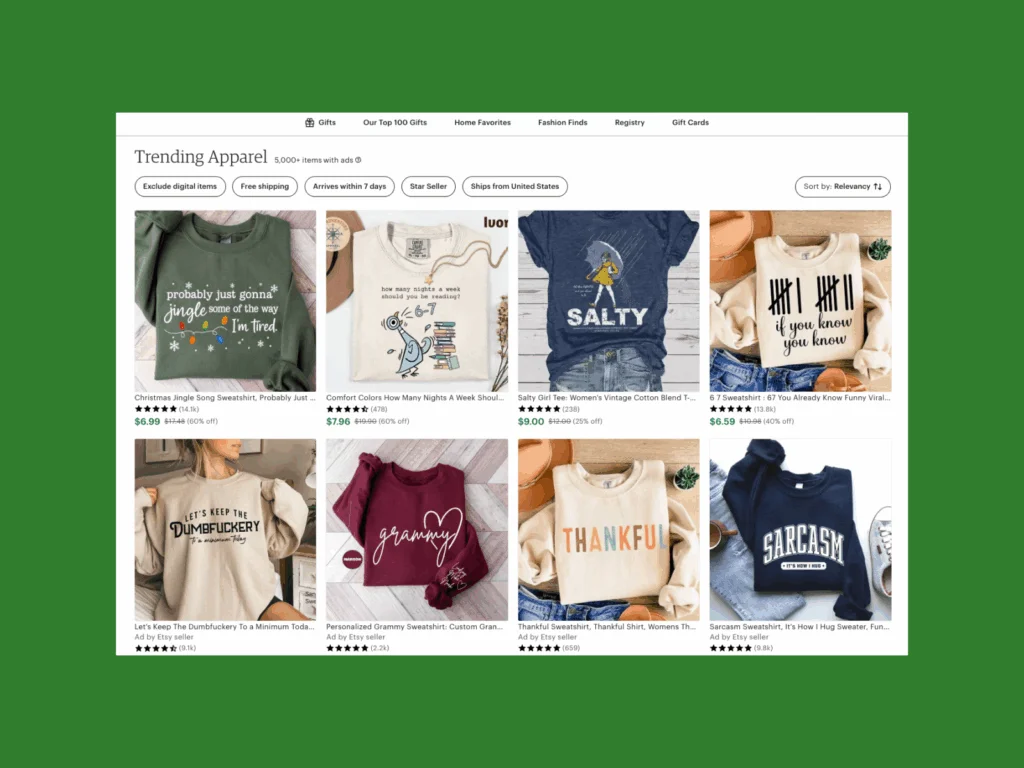
Want to stand out? Dig into online forums to spot market gaps or design ideas that haven’t been done to death. Reddit is great for this – try r/TShirts and r/TShirtDesigns for real customer preferences and inspiration.
Make sure your designs are original, and always check copyright rules before creating anything inspired by pop culture, shows, or brands.
With Printify, designing is easy using the Product Creator. Our free design tool helps you create high-resolution templates and realistic mockups, making your products look polished and ready to sell.
2. Choose a print-on-demand platform
We’ve rounded up the best POD companies to help you get started, but the right fit ultimately depends on your needs. Before committing, consider these essentials:
- Product quality and printing method. Make sure the provider offers a range of t-shirt styles and materials, along with the printing methods you need (like direct-to-film or direct-to-garment). This matters even more if you plan to sell casual wear or detailed designs.
- Shipping options. Review delivery times, regions covered, and whether they offer express services.
- Pricing and profit margin. Compare base costs and typical list prices so you can stay competitive and keep a healthy margin.
- Store integrations. Good integrations make syncing products, marketing, and order fulfillment much easier as your t-shirt store grows.
- Support and reliability. Look for providers with consistent order quality, clear policies, and responsive support. If possible, order samples so you can review products before selling them.
Printify offers over 150 apparel options in its Product Catalog, giving you plenty of flexibility when building your product line.
3. Connect the platform to your online store
This step varies by the POD company and eCommerce platform you choose.
For example, if you want to sell custom shirts on Etsy and use Printify for fulfillment, start by creating your Etsy account and completing the basic setup details like your shop name, language, country, and currency.
When your store is active, head to your Printify account, go to Manage My Stores, click Connect, and select Etsy. Sign in when prompted and approve the connection so Printify can sync your products and automatically handle incoming orders.

The process is similar for other eCommerce platforms and marketplaces that integrate with Printify.
4. Promote your t-shirts and start selling
Promoting your t-shirts looks a little different depending on where you sell. If you’re on marketplaces like Etsy or Amazon, focus on strong eCommerce SEO – use relevant keywords in your titles and tags, write clear descriptions, and upload lifestyle photos that help your custom t-shirts stand out in search. Marketplace ads can also give your new designs an early boost.
If you build your own t-shirt store on platforms like Shopify or Squarespace, you’ll rely more on driving your own traffic. Social media marketing and email lists are great for getting eyes on your brand and connecting with your niche audience.
No matter where you sell, highlight your best-selling designs, keep your pricing competitive, and refresh your product line with new t-shirt designs regularly. High-resolution images, close ups, and lifestyle shots make a big difference in getting more customers to click Buy.
Check out our POD marketing guide for more tips and best practices.
5. Print and ship automatically
When a customer places an order, your POD partner handles production and ships the shirts directly to them. No packing, no stockroom, and no fulfillment stress.
This hands-off setup keeps your financial risk low and frees you up to focus on the fun stuff – creating new designs and growing your t-shirt business while the logistics run in the background.
Designing t-shirts that sell
Design can make or break your t-shirt business – the goal is to create t-shirt designs people genuinely want to wear. Here are a few tips to help you craft shirts that win customers over.
Keep your message authentic and easy to read
People love t-shirts that say something, whether it’s supporting a cause, sharing a funny or meaningful message, or showing off artwork that feels personal. It’s a big reason why the artwork category is expected to be the fastest-growing segment of the custom t-shirt market in the next few years.
Capitalize on this trend by keeping your designs original, clear, and easy to understand. Opt for clear messaging, simple graphics, and fonts that are easy to read. A clear message paired with a good-looking design can help your shirts pop in marketplace search results.
Make your designs readable at a glance

Customers move quickly through busy marketplaces like Etsy or Amazon, and your design only has a second to grab their attention. If it’s clear and readable even at thumbnail size, you’ve already won half the battle.
Use high-contrast colors, clean fonts, and simple layouts that work on different styles like crew necks or long sleeves. Always preview your design on a mockup to make sure it’s easy to read from a distance and still looks great in smaller views.
Use Printify’s Product Creator to generate high-quality mockups in just a few clicks. What you see is exactly what customers get.
Ride the trend wave
Trends can give your custom t-shirts a quick visibility boost. Keep an eye on seasonal moments, social media trends, and marketplace search results to see what’s getting attention. Trend-tracking tools like Google Trends and Glimpse can save you time while helping identify rising patterns and location-based interests.
Whether it’s a timely phrase, a fresh color palette, or a trending aesthetic, acting quickly can help you reach customers looking for something current. Just remember to stay original and steer clear of copyrighted material.
Use Printify Trends to stay ahead. It monitors social media, forums, and content feeds in real time, so you instantly know what t-shirt designs people are buzzing about.
Start designing with the right tools
Good tools make designing easier and a lot more fun. Canva, Adobe Illustrator, and Figma are all great options for creating custom artwork, refining layouts, and exporting high-resolution files.
If you’re using Printify, you can start for free with the Product Creator. Test different ideas, preview your artwork on real products, and then either order a sample or publish the design straight to your store – no exporting or extra steps needed.
Check out our top picks for free t-shirt design software if you want even more options.
Bring in artists for more authentic designs
If design isn’t your strong suit, try outsourcing. Freelancers on Fiverr, Upwork, or Behance can help you create original artwork, refine your brand style, or design for niche audiences.
You can also let your customers personalize the t-shirts themselves. With Printify’s Personalization tool, they can add their own text or upload images directly onto your products.
Pricing your t-shirts

Your pricing impacts how customers view your custom t-shirts, how much money you actually make, and whether your business can grow. The right price balances covering your costs, staying competitive, and creating value for your audience.
The t-shirt pricing formula is simple:
Price = Production cost ÷ (100 – Profit margin %) × 100
Let’s say your production cost for a shirt is $20 and you want a 50% profit margin. Here’s how to determine the ideal retail price:
Price = 20 ÷ (100 – 50) × 100 = 20 ÷ 50 × 100 = 0.4 × 100 = $40
Pricing strategy tips
- Check competitor pricing to see what customers expect in your niche.
- Test different price points and track which ones convert best.
- Offer bundles or occasional discounts to attract buyers and increase order value.
See how much you could make

*The production cost includes the fulfillment price of one item with one print. It doesn’t include shipping fees, taxes, and other possible storefront expenses.
Common mistakes to avoid
Even with a solid product and a great design process, a few common slip-ups can hold your t-shirt business back. Watch out for these beginner mistakes so you can avoid them from day one.
- Poor product mockups or inconsistent branding. Low-quality images or mismatched visuals make your store look unprofessional and hurt conversions.
- Targeting too broad an audience. Selling to “everyone” usually leads to selling to no one. Focus on a clear niche for better results.
- Ignoring analytics or feedback. Skipping data and customer input means missing chances to improve designs, pricing, or marketing.
- Underestimating customer service. Slow replies or unclear policies can lead to bad reviews and fewer repeat buyers.
- Using low-quality designs or stolen artwork. Poor visuals or copyright issues hurt trust and can get your t-shirt listings taken down.
- Not ordering samples. Skipping samples can lead to surprises in print quality, colors, or sizing once customers start ordering.
Print-on-demand t-shirt business FAQ
Choose a POD platform like Printify, create your t-shirt designs, pick products, and publish them to your store or a marketplace. When someone orders, your POD provider prints and ships the item for you. No inventory, no upfront costs, and you only pay for what you sell.
No, you don’t need an LLC to start. Many new sellers start as sole proprietors. Still, forming an LLC can offer liability protection and tax benefits as your t-shirt business grows. Consider it once you start gaining traction or want a more formal setup.
Absolutely. The print-on-demand model eliminates inventory risks, reduces startup costs, and allows you to test designs without significant financial commitments. It’s ideal for new sellers who want flexibility, quick turnaround times, and an affordable way to launch a t-shirt business.
Yes, the custom t-shirt market is projected to grow at 11.5% CAGR through 2030, showing steady demand. Your success largely depends on smart marketing, fair pricing, and keeping your product line fresh with new designs.
Conclusion
Making money selling t-shirts no longer requires a big upfront investment or stocking inventory. With the POD model, your provider handles all the printing and shipping while you focus on marketing, creating designs, and growing your store.
And when it comes to POD, Printify checks all the boxes. Just ask Alina Bibisheva, an architect-turned-seller who now brings in over $10,000 per month with us.
Ready to build your own success story next?