


Create custom designs that sell
Designing your own clothing line used to mean fashion school, expensive pattern-making skills, and thousands of dollars tied up in inventory. In 2026, that’s no longer the case. Whether you want to express your unique style or build a profitable clothing brand, the tools to design clothes online are more accessible – and fun – than ever.
This comprehensive guide walks you through the entire process of creating clothing designs from scratch. You’ll learn how to design clothes, find your aesthetic, and launch a cohesive collection using modern fashion design tools and the power of Print on Demand (POD).
1. Finding inspiration and defining a unique style
Every great garment begins with an idea. However, moving from a vague concept to a finished design takes a process. The fashion industry moves fast, with fashion trends evolving through social media and real life faster than ever. To keep up, you need a solid foundation.
Start with a mood board
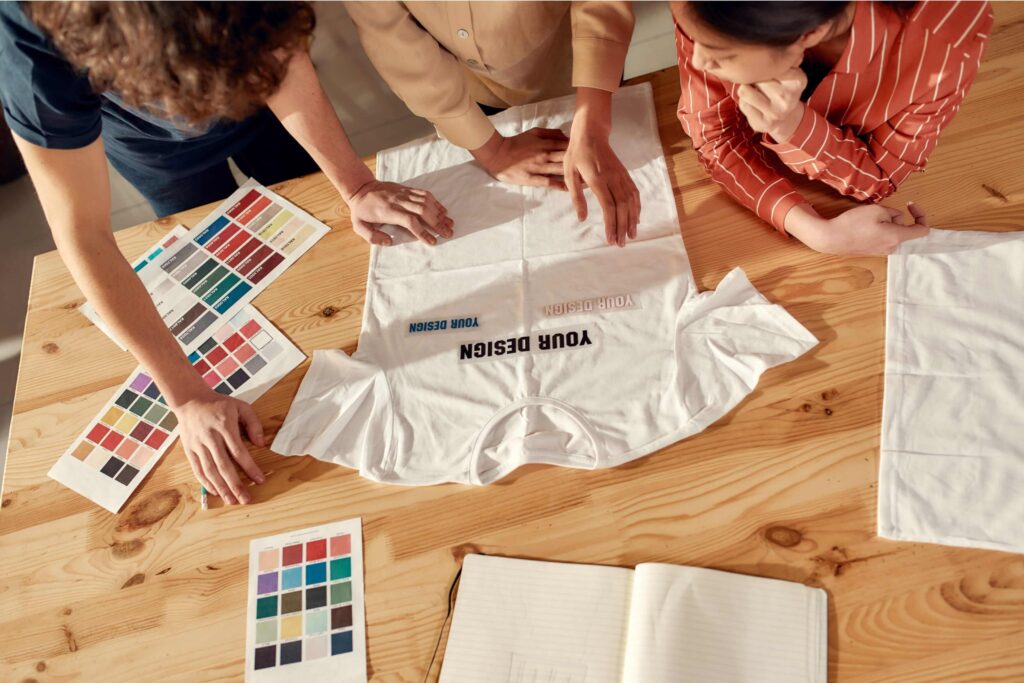
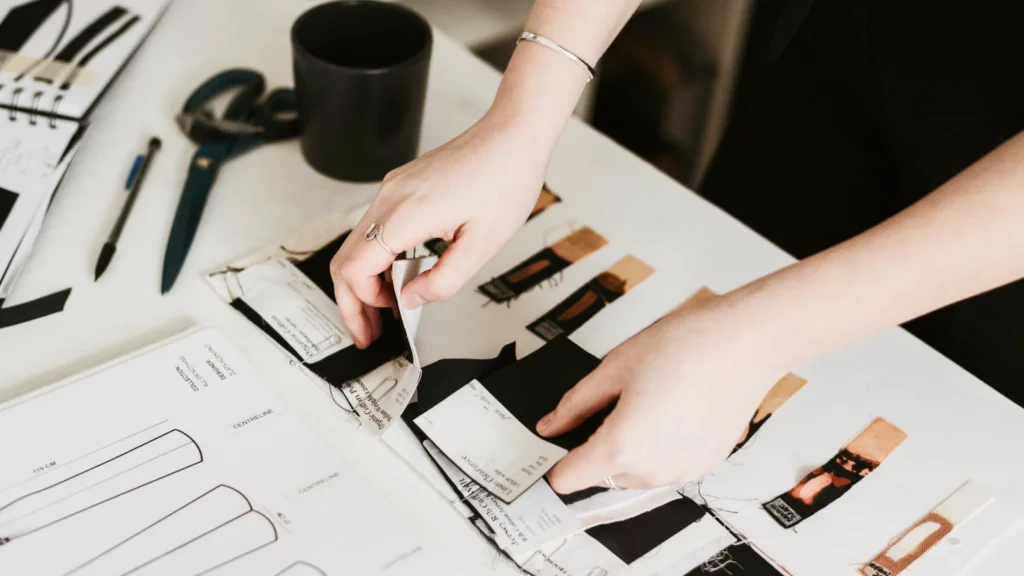
A mood board is a visual anchor for your collection. It defines the aesthetic, color palette, and “vibe” of your brand. Use digital platforms like Pinterest or specialized apparel design software to gather images of textures, color swatches, and accessories that inspire you.
Think of it as a fashion design filter: if a new design idea doesn’t fit the board, it probably doesn’t fit the collection.
Observe the market
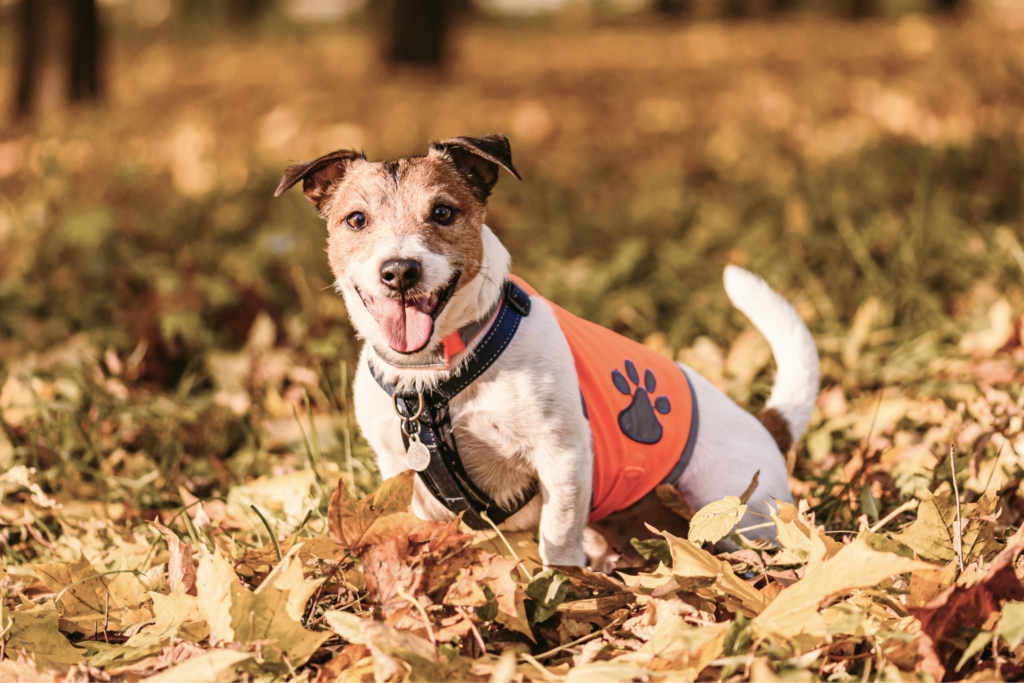
Study what’s working for successful fashion designers, but don’t just copy them. Identify gaps in the market. Are people looking for more sustainable materials? Is there a lack of custom clothing for a specific niche, like pet owners or extreme sports enthusiasts? Understanding your customers is the first step toward designs people actually want to wear.
Research fashion trends
Stay ahead by checking trend forecasting sites likeWGSN or following real-life street style. In 2026, trends move fast, but quality clothing design remains rooted in a solid design process.
2. The essential tools for modern custom clothing designs
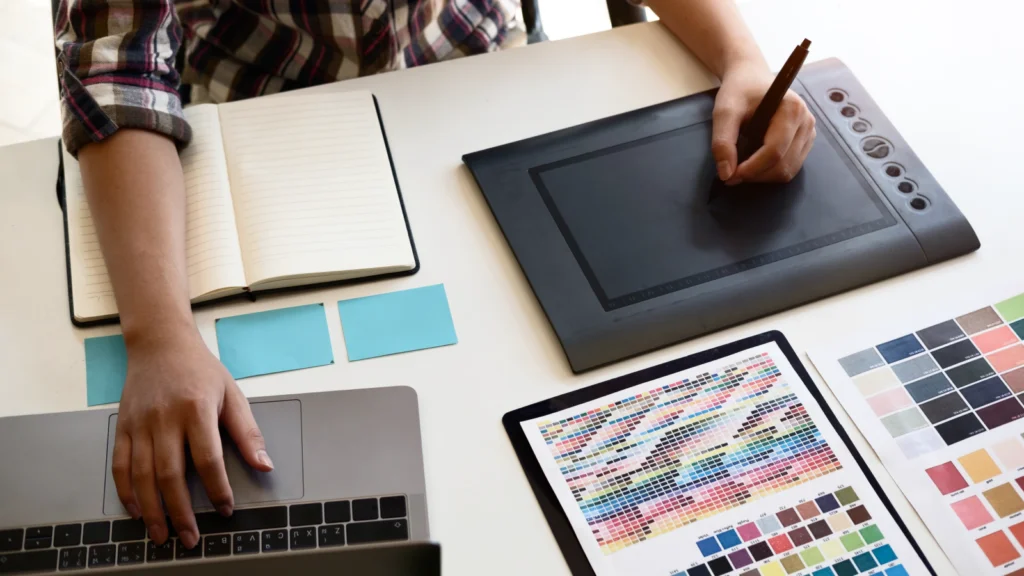
You don’t need a studio with a dress form or rolls of pattern paper to get started. Digital design tools have replaced most of the traditional setup, making fashion design for beginners faster and more accessible.
Graphic design software
- Adobe Illustrator: The industry standard for creating flat sketches and vector graphics. Because vectors can be scaled without losing quality, they’re perfect for everything from a small logo to a full-back print.
- Canva: If you are looking for websites to design clothes for free, Canva offers a massive library of templates and design elements. It’s ideal for anyone looking to design clothes online quickly.
- CLO 3D: For designers who want to go deeper into the technical side. 3D garment visualization lets you see how a digital pattern behaves on a virtual body before anything gets printed.
Printify Product Creator
For most print-on-demand sellers, Printify’s Product Creator is the most important tool in their design process. It’s free to use, requires no software downloads, and works directly in your browser.
Here’s what you can do inside it:
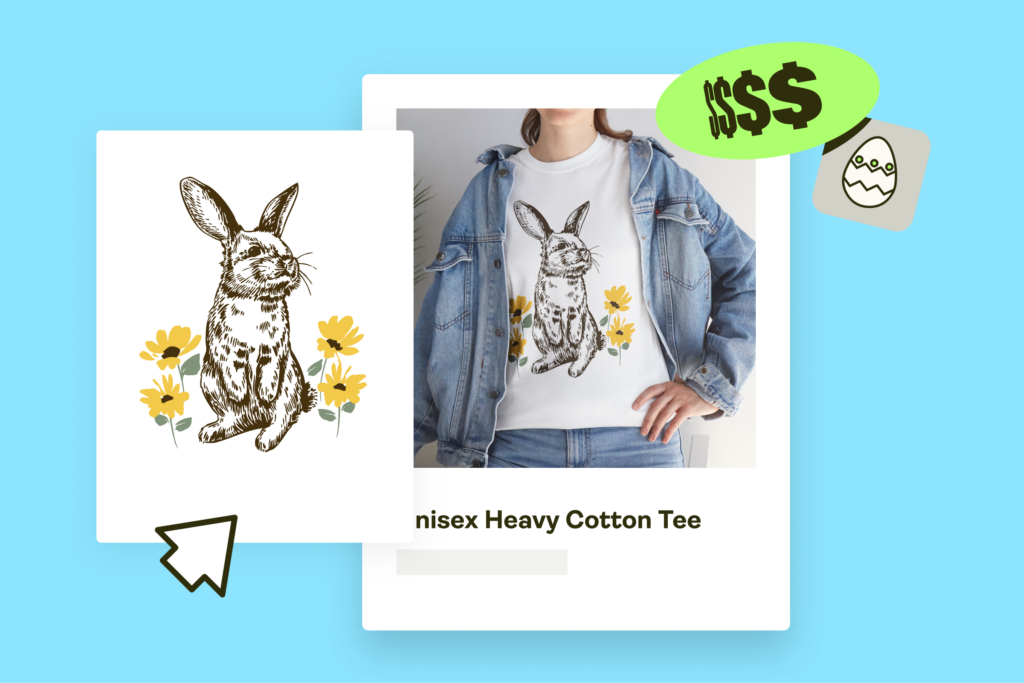
- Drag and drop your designs onto 1,300+ apparel mockups with precise placement controls
- Build seamless repeat patterns with the built-in pattern tool
- Add and style text with the built-in typography editor
- Generate original graphics with the AI Image Generator – just type in a prompt
- Preview exactly how your final design will look before placing a single order
3. Developing your design: From sketch to finished artwork
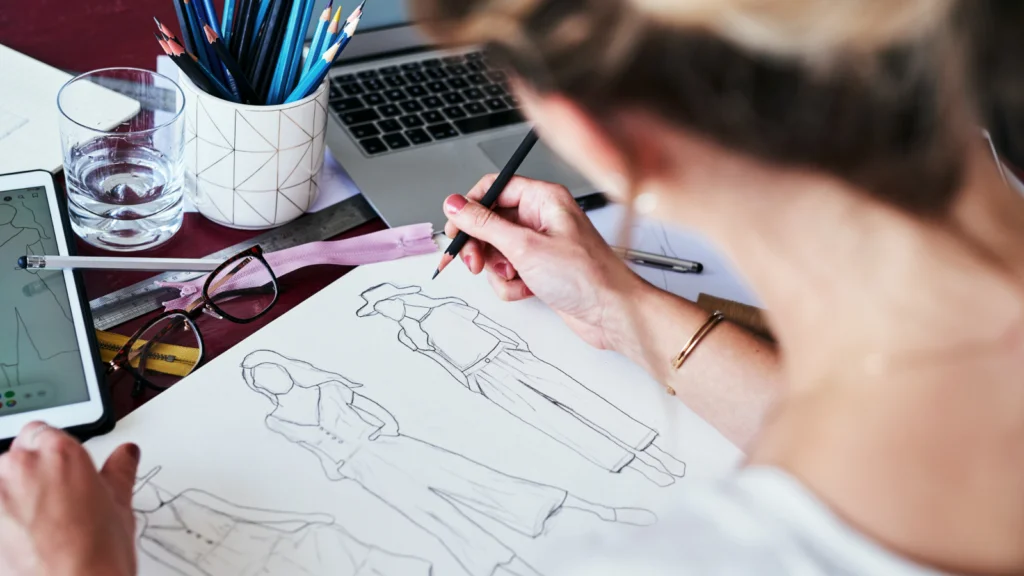
Once you have your inspiration and tools lined up, start designing clothing. This is where your clothing design ideas become actual print files.
Fashion sketches and flat sketches
Start with rough fashion sketches – loose drawings that capture the movement, shape, and mood of the garment. Once the concept feels right, translate it into flat sketches.
A flat sketch is a clean, two-dimensional drawing of the garment laid out flat. It includes all the key elements, such as seam lines, pocket placements, and stitching details.
Not a sketcher? Skip this part. The Printify Product Creator lets you design directly on the product – no sketchpad required.
Understanding pattern making
Pattern making is how a flat design becomes a 3D garment. For most POD sellers, this step is already handled – Printify’s Catalog templates are built to spec, so your design drops into a print-ready format automatically.
If you are creating your own clothes from scratch, you’ll need to develop a “tech pack” – a document that tells a manufacturer every detail they need to produce the item correctly.
4. Selecting materials and fabric types
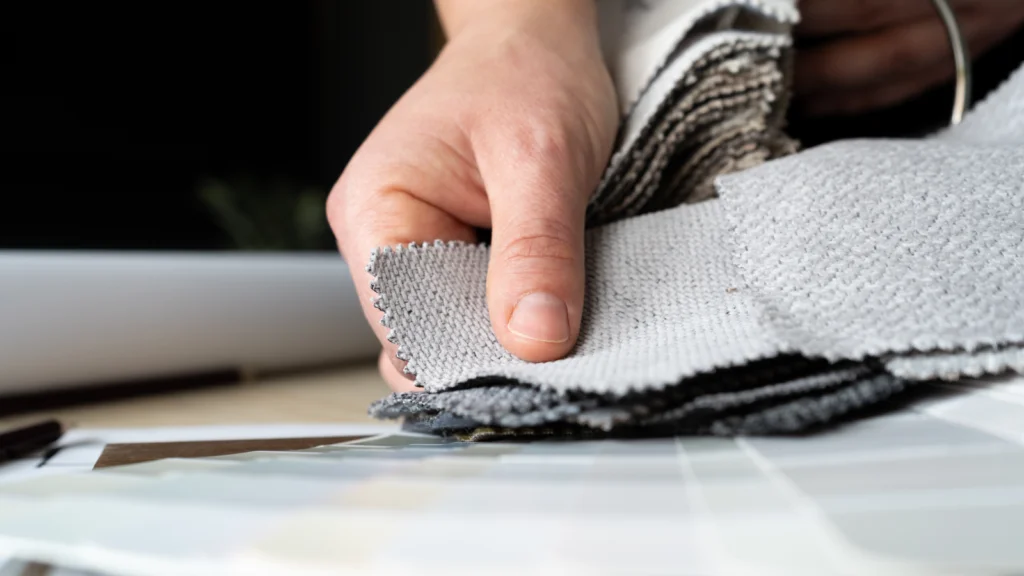
The fabric you choose is just as important as the design itself. The material dictates the drape, the durability, and how well it takes to various print methods.
Common fabrics for custom apparel
- Cotton: The most popular choice for t-shirts and hoodies. It’s soft, breathable, and ideal for DTG (Direct-to-Garment) printing.
- Polyester: Durable and moisture-wicking – the standard for athletic wear.
- Blends: Many modern garments use cotton-polyester blends to combine comfort with shrink resistance.
When choosing, think about who’s buying and what they’re doing in it. A heavyweight cotton reads as premium streetwear; a lightweight blend works better for warm-weather styles.
5. Designing for Print on Demand
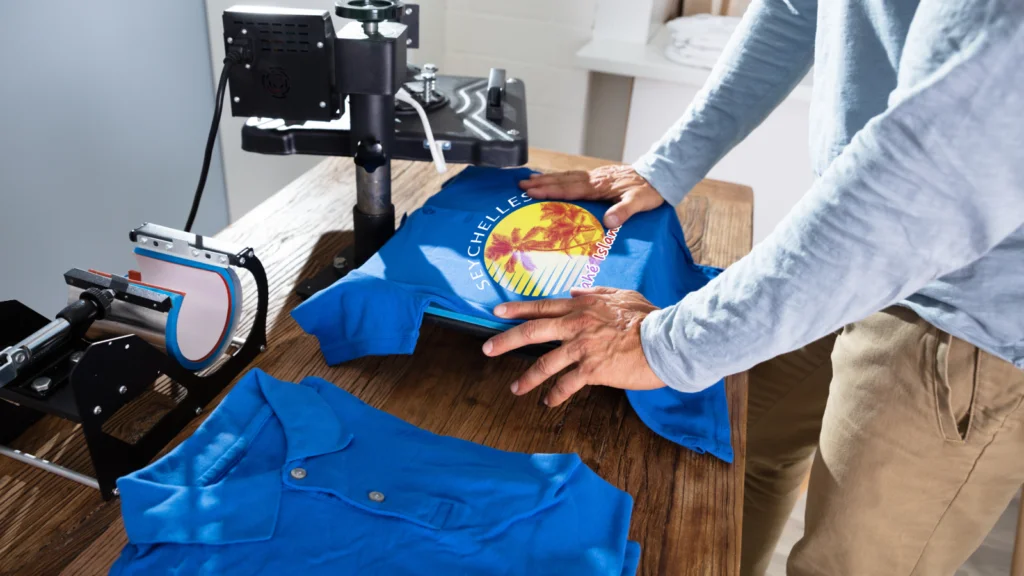
Print on Demand (POD) is the ultimate way to design your own clothing line without the risk of holding unsold stock. It allows for total flexibility and independence.
Creating effective t-shirt designs
T-shirts are the backbone of most online stores. To create a professional t-shirt design, focus on:
- Resolution: Always use high-resolution images (at least 300 DPI) to ensure a crisp print.
- Color choice: Use colors that contrast well with the garment color. Dark design on a dark shirt? It’ll disappear.
- Placement: Standard chest prints are popular, but it’s worth experimenting with sleeve prints or nape-of-the-neck logos.
Selecting the most suitable Print Providers
One of the biggest advantages of Printify is access to a global Print Provider network. This allows you to scale your business internationally without worrying about shipping logistics.
Choose providers based on their location, price, or the specific apparel brands they offer, such as Bella+Canvas or Gildan.
6. Building your business and launching your store
Designing the clothes is the creative half. The other half is getting your brand in front of customers – and Printify makes the operational side straightforward.
Setting up your online presence
To sell your designs, you need a storefront. Printify integrates seamlessly with platforms like Shopify, Etsy, and WooCommerce.
Once you connect your account, everything runs automatically. When a customer orders, the information goes directly to the Print Provider, who then ships the garment to the customer’s door.
Marketing your collection
Marketing is how a design turns into a sale. Use social media to post updates about your design process. People love to see the work that goes into creating a cohesive collection.
Share mood boards, early sketches, and your final apparel mockups to build a community around your brand.
7. Overcoming common challenges for freelance designers
Even for experienced fashion designers, the path to a successful clothing brand has hurdles. Here’s how to navigate them:
- Design burnout: If you run out of clothing design ideas, go back to your roots. Look at art, architecture, or nature for new inspiration.
- Technical errors: Always order samples. The way a design looks on a screen can differ from how it looks on actual fabric. Checking the final look in person ensures quality control.
- Pricing too low: Before you set a price, know your numbers. Check the base cost in Printify, factor in platform fees, and decide what your designs are worth. You’re not selling a blank tee – you’re selling a look. Price it like one.
8. The future of fashion: Designing in 2026
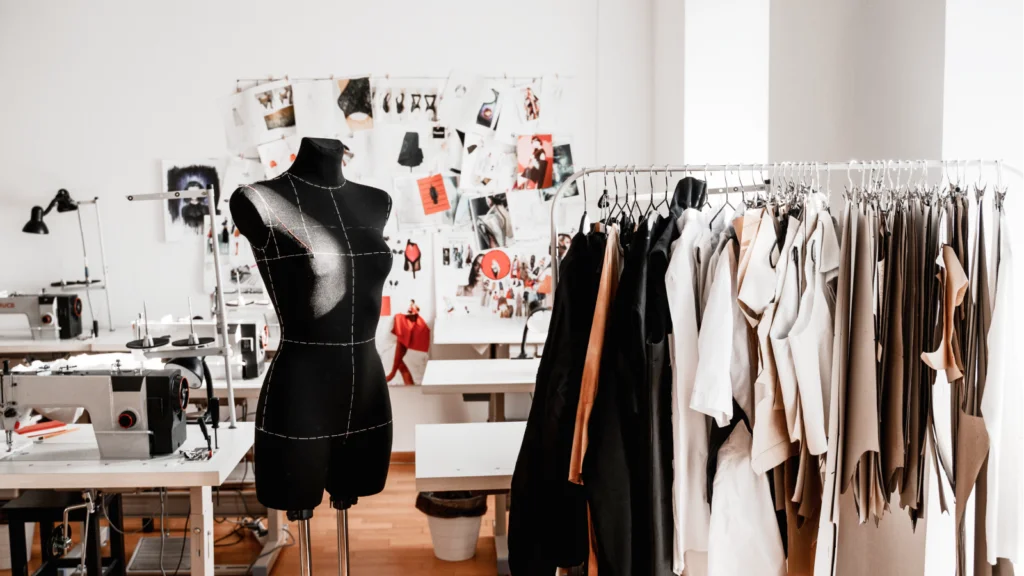
Microtrends in the fashion industry now live and die in under a month. On TikTok, an aesthetic can blow up, peak, and burn out within a week. Traditional brands can’t move that fast – they’re locked into production cycles and inventory commitments. With POD custom clothing, you’re not. If a trend breaks on Monday, you can have a design live by Tuesday. No minimums, no dead stock, no risk.
Ready to bring your design vision to life?
Start your clothing brand with Printify today and turn your creative ideas into a global brand.
Frequently asked questions (FAQs)
You don’t need to be an artist to design clothes. Many successful designers use digital design tools like the Printify Product Creator, which allows you to upload high-quality images, logos, or typography directly onto apparel.
You can also hire freelance designers on platforms like Upwork or Fiverr to turn your design ideas into professional fashion sketches or flat sketches.
The core steps are: define your concept, build a mood board, and create or source your design file. Once you have the file, upload it to Printify’s Product Creator, select your garment and Print Provider, order a sample, then publish and sell.
With Print on Demand, you skip pattern making, manufacturing, and inventory entirely.
If you’re on a budget, the best websites to design clothes for free are Canva and the Printify Product Creator. Canva offers a wide array of templates for t-shirts and hoodies, while Printify lets you visualize your designs on actual product mockups.
These tools are perfect for beginners who want to explore how to design clothing without any upfront costs.
The most effective way to start a clothing brand with no money is through a print-on-demand model. By partnering with Printify, you can create custom apparel, list it in your online store, and only pay for the product once a customer buys it.
This eliminates the need for expensive materials, manufacturing, or inventory, making it a low-risk way to turn ideas into income.
To design your own clothing line that feels professional, first create a mood board. This helps you maintain a consistent color palette and unique style across all items.
When developing designs, use similar fonts, graphic styles, or themes to ensure the entire collection looks cohesive. Consistency is key to building a recognizable brand.
When you design clothes online, you must consider the printing method. For example, direct-to-garment (DTG) printing is great for detailed images with many colors, while embroidery is better for simple logos on hats or hoodies.
In the Printify Catalog, each product listing specifies the recommended print methods and provides a template to help you position your art perfectly.