Turn passion into profit with Printify
Creative people are built to make things – and make money doing it.
This guide breaks down the best side hustles for creatives with clear steps, growth paths, and smart monetization. From print-on-demand shops to online courses and freelance work, here are ways to earn money without quitting your day job.
This post may contain affiliate links, which means we may earn a commission if you make a purchase through those links. This comes at no additional cost to you.
How to make money as a creative: 11 Side hustle ideas to try
1. Start a print-on-demand shop

Print on Demand (POD) turns original art into products without inventory. You create designs for products like tees, hoodies, mugs, wall prints, and stickers. When someone buys, the POD supplier takes care of production and shipping. It’s a great creative side hustle for building passive income while you sleep.
Pros:
- Once designs are live, they can generate passive income indefinitely, making it easy to scale without extra effort.
- Lets you test new niche ideas quickly – change colors, slogans, or styles without losing money on inventory.
- Great for graphic designers who want to monetize their art without handling production or shipping logistics.
Cons:
- Standing out is tough; you’ll need strong brand identity, solid SEO, and clever marketing to reach customers.
- Profit margins can be thin at first until you refine pricing, suppliers, and your promotional strategy.
How to start: Pick a narrow niche such as botanical line art, retro typography, or pet portraits. Create 10-20 products around one theme to build a coherent brand. Publish on an online platform like Etsy or Shopify and optimize your site and listings.
How to start a print-on-demand business and sell custom products for extra income.
2. Offer freelance design services
Selling services is the fastest path to cash flow, plus, clear value attracts potential clients even without a huge audience. With pre-made platforms like Fiverr and Upwork, graphic designers have direct access to clients and quick projects that can grow into retainers.
Create visuals for company and private projects, offer branding and UI services, or sell kits combining all.
Pros:
- Delivers fast, direct income – you get paid per project or hourly. High income per project, can grow into an agency. Builds valuable relationships with clients who may return for ongoing services or refer new ones. Enhances your real-world skills, portfolio depth, and reputation in the graphic design community.
Cons:
- Requires pipeline management, proposals, and time tracking. Some projects need moderate technical skills.
How to start: Build a lean website portfolio with examples showcasing your skills. Describe the process and results in detail. Advertise yourself and set up profiles on Fiverr and Upwork. Ask each client for a testimonial and referral.
3. Sell digital art and design assets
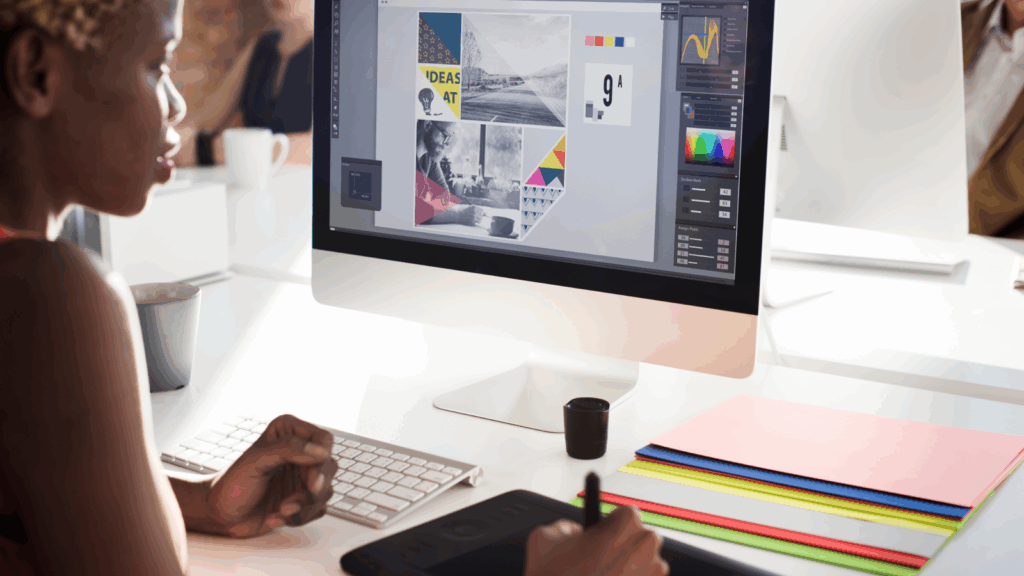
Digital products create recurring revenue. Think personal art, fonts, icon sets, social templates, Lightroom presets, pitch deck layouts, and poster kits. Marketers and graphic designers who want speed demand these downloads, alongside individuals looking for printable decor and daily assets.
Pros:
- Zero shipping, instant delivery, big margins. Unlimited scalability – your art can be sold thousands of times without additional effort.
Cons:
- Success depends on consistent uploads and trend awareness – markets shift fast. Requires initial effort to design, market, and optimize listings before seeing traction.
How to start: Research gaps on Creative Market and Etsy. Create themed bundles for one niche topic such as newsletter templates for fitness businesses or vintage-style mockups for indie brands using tools like Adobe Express. Publish on your website and drive traffic with Pinterest pins and social media.
How to sell digital prints on Etsy and Best digital products to sell to get your side hustle ideas rolling.
4. License photography and short video

Licensing images and video content turns your library into royalties. Companies and agencies buy authentic scenes, hands, workspaces, food, and candid city life. It’s a calm, repeatable hustle alongside other gigs.
Shoot in thematic sets, edit consistently so the collection feels like a system, and use AI to generate trendy, authentic visuals that companies will fight for.
Pros:
- Provides long-term passive income, as a single photo or video can earn royalties for years. Expands your portfolio and reputation with major companies that value authentic, high-quality visuals.
Cons:
- Competitive market, requires high volume and consistent quality to generate noticeable income. Payments are often small per sale – expect gradual growth rather than instant results.
How to start: Pick three themes you can shoot monthly. Create 20-50 asset batches. Track which subjects have high demand and keep building that lane. Repurpose footage into reels to push back to your portfolio.
5. Teach online courses or tutorials
If people ask how you do something, that’s course material. Package typography, layout systems, color workflows, or Figma to Webflow handoff. Courses create authority and passive income while helping others – film once, sell forever.
Pros:
- Builds your brand, widens your funnel for clients, and can become a passive income stream.
Cons:
- Filming, editing, and structuring courses take time, your first launch may require trial and error. Competition on big platforms like Skillshare means your topic and delivery must stand out.
How to start: Decide on your course format – short tutorials, multi-lesson classes, or live workshops – and outline clear learning outcomes. Write a simple script or talking points to stay focused. Film casually using your phone or webcam, but invest in clear audio.
Edit with tools like Descript or CapCut, then publish your course on Skillshare, Teachable, or your own website. Promote it through a blog, email list, or social media to reach curious learners and grow a steady income from your teaching hustle.
6. Build a social media content brand
Turning your creative process into social media content is one of the fastest ways to attract new clients and opportunities. Instead of just posting finished work, share behind-the-scenes videos, design breakdowns, or tool tips that teach something valuable.
Many graphic designers grow full-time hustles by sharing simple, relatable posts. For example, a short video explaining logo sketches can reach thousands and bring real businesses to your inbox.
Pros:
- Grows your social media presence, builds trust, and sends customers to your own website and art. Potential to become a social media manager for other businesses and creatives. Positions you as an expert in your niche, attracting both collaborations and paid work.
Cons:
- Requires consistent posting and patience before growth becomes steady. Can lead to burnout if you’re managing too many platforms or trends at once.
How to start: Pick one platform like Instagram or TikTok and plan a content calendar. Use tools like CapCut or Adobe to edit videos. Post two to three times weekly, focusing on short video content and carousel tutorials using tools like Later. Promote your services or digital products once your audience starts asking for help – turning creativity into steady income.
7. Start a web design business
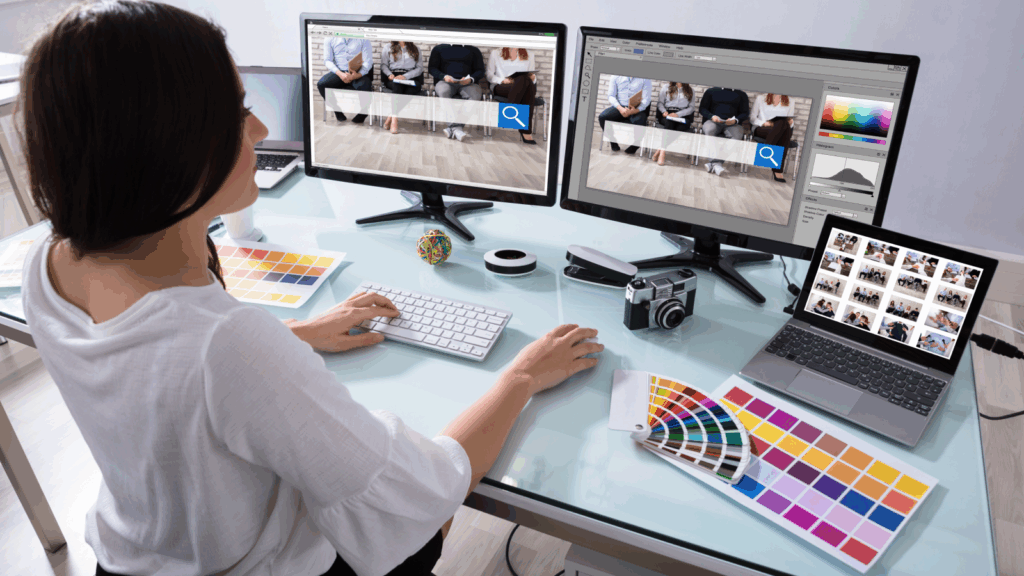
A web design business turns your design eye and technical skills into serious income. Small businesses and startups constantly need attractive, easy-to-manage sites that communicate their brand story.
Offering complete packages – like design, setup, and maintenance – can pay more than several smaller hustles combined.
Pros:
- High earning potential – web projects often pay hundreds or thousands of dollars. Recurring income opportunities from maintenance, redesigns, or add-on services. Lets you combine technical skills and visual storytelling to deliver tangible value for businesses.
Cons:
- Without clear project boundaries, scope creep can consume your time and reduce profits.
How to start: Choose your tools – Webflow, WordPress, or Wix – and create demo sites for different industries. Publish a clear pricing page on your website showing packages and timelines. Reach out to companies and offer tailored pitches on sites like Upwork. After each project, post a before-and-after case study on your site or LinkedIn.
8. Offer creative consulting or mentoring
Turn your experience into a teachable service. Mentor students, help new graphic designers land their first clients, or advise businesses on branding and marketing. It’s one of those thoughtful side hustle ideas where you get paid to share your knowledge.
Think of it as coaching for creativity – translating your journey into practical guidance.
Pros:
- Builds authority and credibility in your field. Deepens relationships with clients who may later hire you for creative services. Encourages personal growth as you clarify your own creative processes.
Cons:
- Income depends on your available hours. Requires empathy, structure, and preparation for each session to deliver real value.
How to start: Define your offer – portfolio reviews, creative coaching, or brand audits – and set clear outcomes for each session. Build a simple website or booking page using Calendly and Notion. Record calls on Zoom, then send a follow-up summary with templates or checklists.
To further grow this artistic side hustle, repurpose common client questions into mini guides, tutorials, or paid courses. This approach lets you expand from one-on-one calls into a repeatable, profitable online business.
9. Start a YouTube channel or a design podcast

Build trust, authority, and following in your creative field. Discuss tools, workflows, and industry trends – or tell honest stories about your artistic journey. Educational and conversational content attracts followers who eventually become clients, sponsors, or course students.
Pros:
- Builds an audience that compounds over time. Offers multiple income streams through ads, sponsorships, and affiliate links. Strengthens your brand by positioning you as a go-to creative voice.
Cons:
- Growth can feel slow at first; consistency matters. Editing, scripting, and equipment setup require ongoing effort, expenses, and time management.
How to start: Plan six episodes around a single theme – like design tools or creative careers. Use a decent mic and good lighting to maintain quality. Edit with DaVinci Resolve, Adobe, or Descript and post weekly. Engage with comments to understand what your audience wants next, and promote your services or digital products naturally within episodes.
How do podcasts make money and How to make money on YouTube.
What to get so inspired that business and content ideas just pour out of you? Check out our success story on two lovely ladies who used Printify’s Pop Up Store feature to turn their podcast idea into custom merchandise.
10. Sell designs for AI marketplaces
This is a forward-thinking hustle for those who love experimenting with technology. You can create prompt packs, templates, or AI-generated image collections for other creators and marketers. Designers with style and focus in a specific niche – like interior mockups or futuristic branding – can stand out and earn a consistent income.
Pros:
- Fresh market with lower competition than traditional design platforms. Great for creatives who enjoy testing trends and blending art with technology. Flexible enough to fit around other side hustles and schedules.
Cons:
- Marketplaces evolve quickly, so you’ll need to stay updated with new AI tools. Some customers may not fully understand AI licensing – clear usage terms are vital.
How to start: Experiment with tools like Midjourney, DALL·E, or Leonardo AI to produce themed sets. Sell packs on PromptBase, Etsy, or your own online store. Build a social media presence around your niche, sharing demos or design process reels. Updating your collection monthly keeps sales fresh and signals that your hustle stays ahead of trends.
11. Become an affiliate marketer
Affiliate marketing is a smart, low-maintenance side hustle for creatives who already share content online. You know all those ‘link in bio’ posts on TikTok and Instagram? That could be you!
The idea is simple: recommend tools, platforms, or services you genuinely use – like design software, hosting, or Print on Demand – and earn a commission whenever someone signs up through your link.
For graphic designers, content creators, or writers, it’s a natural way to turn tutorials, reviews, or blog posts into steady income.
Pros:
- Creates long-term, passive income from content you’ve already published. Works well alongside other hustles, such as blogging, YouTube, or freelancing. Builds trust and credibility as you share useful, authentic recommendations.
Cons:
- Requires consistent publishing and an engaged audience. Results can take time; most businesses pay monthly once conversions accumulate.
How to start: List five to ten tools you use daily – design apps, productivity software, or POD platforms. Join their affiliate programs and gather your tracking links. Create valuable resources: blog guides, comparison posts, or quick video tutorials that highlight real benefits. Once you see traction, expand your library into a resource hub on your website.
Join Printify’s Affiliate Program and earn 5% commission on every referred sale. Teach your audience how Print on Demand works, share mockup tutorials, or create product-design walkthroughs.
How to choose the right creative side hustle for you

Map your skills and time
List your top skills, such as illustration, writing, motion, or UX. Rank them by time consumption. Choose one hustle that uses your top skill and fits your weekly bandwidth.
Validate demand before building.
Research which products and services are in high demand. Browse Etsy, Fiverr, and Creative Market. Check Google Trends, or type keywords into Semrush to view monthly searches. If you notice three active sellers or clients paying for similar services, it’s worth testing. Keep an eye on reviews and pricing details – they reveal what buyers actually want.
Price for momentum.
Start with pricing that moves – low enough to attract your first buyers but still rewarding. Focus on gathering one testimonial and one referral before raising rates. Once you’ve served a few happy clients, increase your prices by 10–20%. This approach builds confidence, momentum, and a steady flow of extra income without stress. Tools like Bonsai or Wave can help you issue invoices and track when you get paid.
Choose distribution you can sustain.
Pick one channel. If you like video content, YouTube or TikTok fits. If you like writing, publish a weekly blog on your site. Consistency beats volume. Use Adobe to design images, or Later to schedule posts in advance. Once things start to grow, repurpose one idea across formats – turn a blog post into a reel or a tweet thread.
Start a POD side hustle selling custom products with Printify
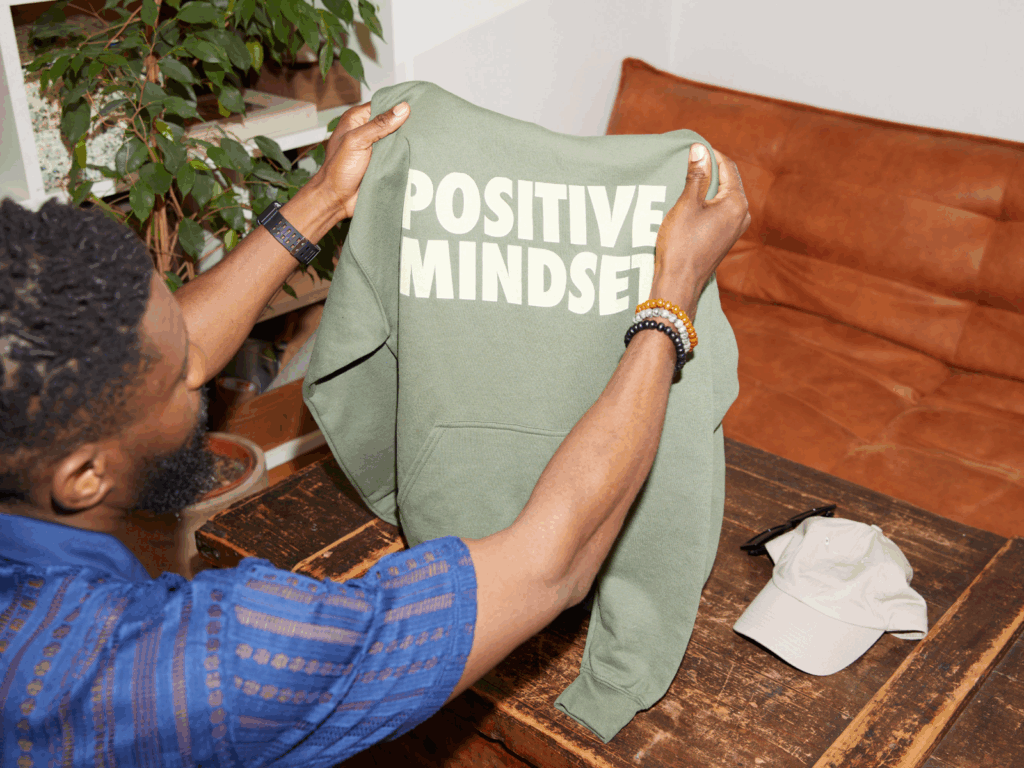
Printify helps creators sell products online with less effort. You get the industry’s largest Catalog, modern printing techniques, and worldwide fulfillment. You focus on design and marketing. We handle production.
Sign up for free
Create a Printify account and explore more than 1,300 customizable products. Choose items that match your brand, niche, and design style – anything from apparel and accessories to wall art, pet merch, games, and more.
Design your products
Use the Product Creator to upload artwork or experiment with AI, pattern, and text tools, free graphics, and other features to craft standout designs. Preview lifelike mockups and align each piece with your niche audience.
Sell them online
Connect your Printify account to Etsy, Shopify, TikTok Shop, and other leading sales channels. Set prices, publish listings, and let Printify handle printing and shipping while you focus on marketing, writing, and building your social media channels.
Creative side hustles: FAQ
Freelancing and Print on Demand are a friendly on-ramp. You can begin with a few projects or design a couple of products, publish to an online platform, and test themes without inventory risk. You can also license your work for a small profit on sites like Shutterstock.
No. Many side hustles reward taste and curiosity. Templates, simple merch, and valuable content like short tutorials and guides, or newsletter-friendly writing can all earn extra income. Improve your craft and document the journey. That documentation helps you create content that attracts clients.
It ranges from pizza-night extra money to mortgage-moving income. Freelance services can pay hundreds per project for web design and other serious projects. Mature POD shops, digital assets, or affiliate posts can stack into reliable revenue. Treat your hustle like a system and the money compounds.
Yes. Try POD, licensing illustrations, Patreon sketchbooks, providing virtual assistance, applying for graphic design tasks on sites like Upwork, and gallery-ready print runs. You can also teach workshops for art students and share your knowledge with artists who want feedback and a path to paid collaborations.
Try behind-the-scenes side hustles where your art speaks for itself. Upload designs to stock libraries like Adobe Stock or Creative Market to earn passive income. Or offer quiet virtual assistant help for creative studios – organizing assets, formatting decks, or editing thumbnails.
Conclusion
You have a portfolio’s worth of skills, taste, and knowledge that the world wants. Choose one idea, shape your own version, and learn fast to turn it into a successful side hustle or a part-time job. Each option in this guide can support passive income, better clients, and a steady path from hobbyist to builder.
If you’re ready to create products and sell online, spin up your Printify shop today. Publish a small collection, track what buyers love, and iterate. That’s the path to dependable income, brand trust, and passive income for creatives.