Wix vs Shopify: Which platform is better for you? (2026)
Our Wix vs Shopify comparison covers ease of use, design, eCommerce tools, SEO, and more.
Sell smarter, not harder
Connect Printify with your favorite sales channel and automate your way to success.



Share article:



Printify + your favorite platform = more sales!
Finding the best eCommerce platform for small business dreams isn’t just about picking a website builder – it’s about choosing your business’s digital home.
Shopify steals the spotlight for its smooth, beginner-friendly setup, Wix and Squarespace charm creative sellers with stunning design freedom and built-in marketing tools, while WooCommerce remains the rebel favorite for WordPress pros who love full control.
From drag-and-drop simplicity to advanced features, we’re checking eight small-business eCommerce platforms that actually help you sell smarter.
This post may contain affiliate links, which means we may earn a commission if you make a purchase through those links. This comes at no additional cost to you.

For small business owners, time is money – and wrestling with confusing menus isn’t part of the plan. A great eCommerce platform should feel like plug-and-play, not rocket science.
Platforms like Shopify and Wix make launching an online store feel effortless with drag-and-drop editors and clean dashboards. If you need a full website builder without coding, go for one that handles setup, inventory updates, and checkout in minutes.
Your dream website shouldn’t come with nightmare bills. Compare free plans, transaction fees, and processing fees before committing. Some eCommerce platforms for small brands look cheap upfront, but charge extra for every sale or feature.
Shopify’s transparent tiers help plan growth, while other platforms like Big Cartel and Wix offer affordable entry points for new business owners testing online sales. Pick pricing that scales, not squeezes.
Your site’s look is your brand’s personality online. Choose an eCommerce website that lets you flex creative muscle with customizable templates, fonts, and a custom domain. Small businesses thrive when their pages look polished but authentic.
Wix and Squarespace give full visual control, while WooCommerce offers extensive customization options for tinkerers. If branding matters (and it does), find an eCommerce platform that feels like your brand, not someone else’s.
Good eCommerce tools should save you time, not add more clicks. Look for platforms that connect seamlessly with your email marketing software, social media, or shipping providers.
Platforms like Shopify and BigCommerce come loaded with third-party apps that automate inventory syncs, receipts, and abandoned cart recovery. Less manual work means more time to grow your online business.
Your payment gateway is the bridge between a shopper’s wallet and your online store. It decides how you accept payments and what transaction fees or payment processing costs hit your profits.
Some charge additional transaction fees or higher processing fees, so compare before you commit – every percent counts when building a business online.
Even pros hit roadblocks, and that’s where strong customer support becomes gold. Choose an eCommerce platform that offers 24/7 help via chat or phone. As your store grows, you’ll need smoother inventory management, faster load times, and more advanced features.
Platforms like Shopify or BigCommerce handle scaling without breaking your site. Think long-term – your store shouldn’t outgrow your platform in a year.
Now that you know what to look for, it’s time to meet the stars of the show. The following eight sales channels cover everything – from sleek online stores selling physical products to creative entrepreneurs offering digital downloads or services. Check out this guide to choose the right eCommerce platform for your business and start selling with confidence.

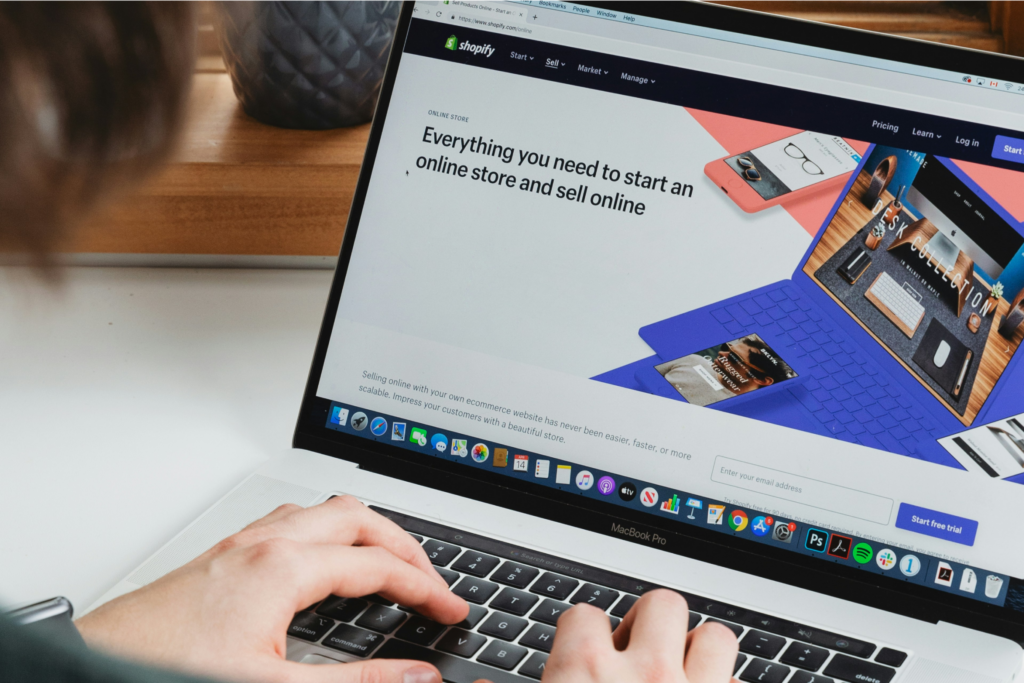
Shopify is the rockstar of the eCommerce website world – and for good reason. It’s a full-blown eCommerce platform designed to help anyone, even total beginners, launch a professional online store in hours.
You get gorgeous templates, bulletproof hosting, and smooth payment processing built right in. From tracking orders to automating inventory management, Shopify handles the messy logistics so you can focus on selling, marketing, and growing.
Pricing: Plans start at $39/month, scaling up to $399/month for advanced reporting and lower transaction fees. A 3-day free plan trial helps you test the waters.
Best for: Small business owners seeking a reliable, scalable, and all-in-one platform to sell online without technical headaches.
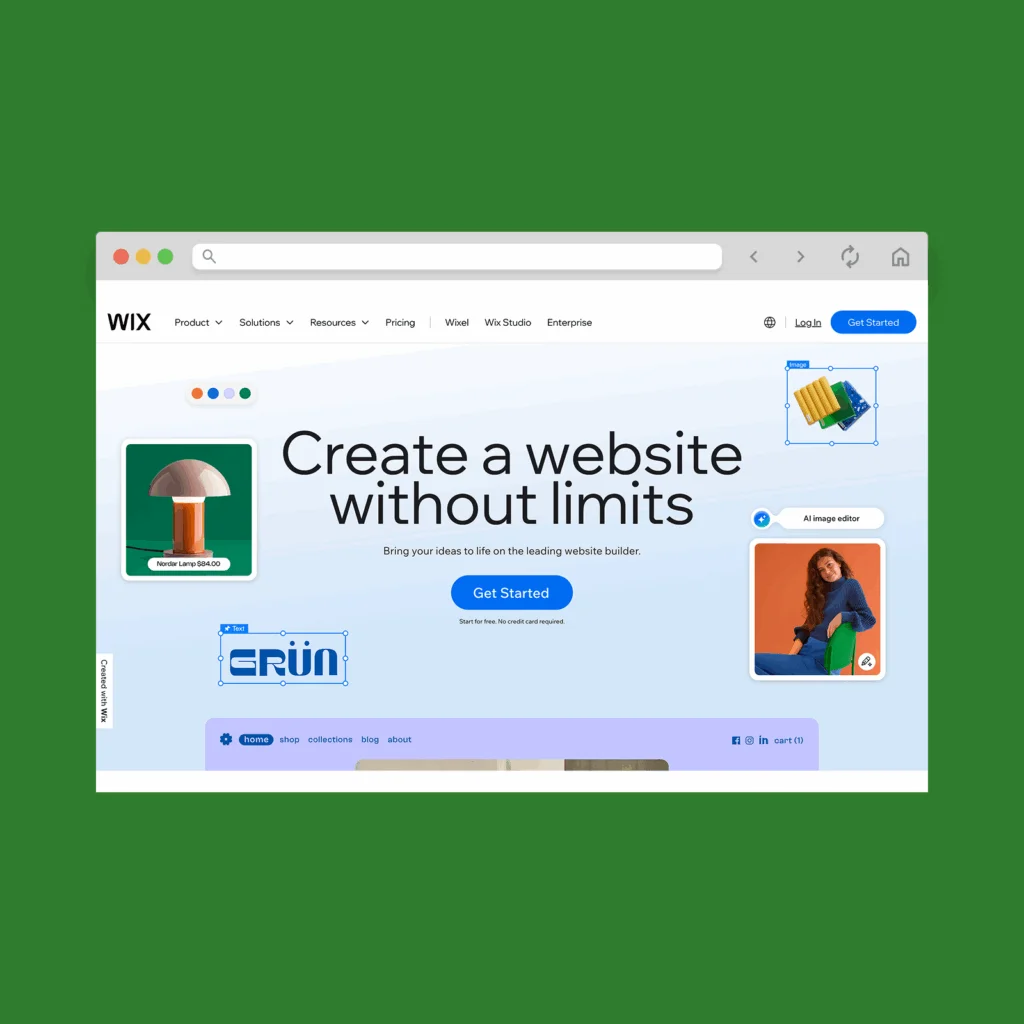
Wix is the design lover’s dream come true. This drag-and-drop website builder lets you create a stunning online store that looks exactly how you imagined – no coding, no stress. It balances creativity with powerful eCommerce functionality, offering custom layouts, animations, and tons of customizable templates.
It’s a match for artists and service-based sellers that prioritize both visual impact and conversions.
Pricing: eCommerce plans start around $17/month, with higher tiers removing transaction fees and unlocking more email marketing credits and storage.
Best for: Creative entrepreneurs, freelancers, and small boutiques that want a beautiful eCommerce website without hiring a web designer.
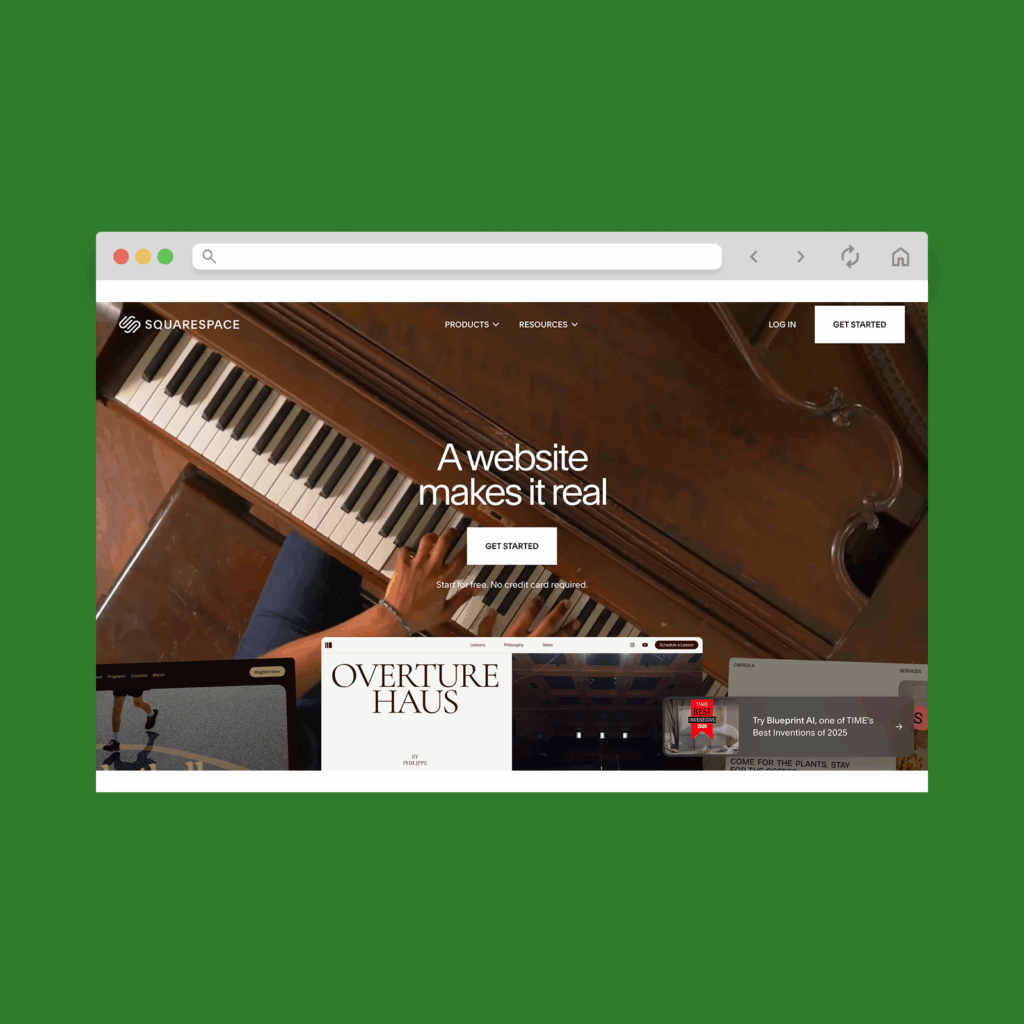
Squarespace is sleek, artistic, and effortlessly stylish. It’s a website builder that doubles as an eCommerce platform, meant for businesses where visuals and storytelling matter. Think photographers, designers, and lifestyle brands.
You get elegant, customizable templates, solid email marketing, and beautiful product galleries that make your online store feel like a high-end showroom.
Pricing: Basic plan starts at $25/month, with more expensive Plus and Advanced plans that remove transaction fees and add advanced eCommerce features.
Best for: Design-focused brands, freelancers, and creators who want an elegant, professional presence without a deep tech setup.

WooCommercetransforms an existing WordPress site into a full-scale eCommerce store. It’s open-source and flexible, giving you full control over layout, products, and data. You can add advanced customization, connect email marketing tools, and tailor the checkout experience however you want.
Pricing: The plugin is free, but hosting, security, and premium extensions come with extra costs. Expect to spend anywhere from $20-$100/month, depending on your setup.
Best for: Entrepreneurs who love tinkering and already feel at home on WordPress.

BigCommerce is built for growth. It’s one of the most powerful eCommerce platforms on the market, offering enterprise-grade functionality without needing a developer.
It’s designed to scale seamlessly as your online store grows, from local startups to global brands. Think robust analytics, advanced inventory management, and zero extra transaction fees.
Pricing: Plans start at $39/month, matching Shopify’s tiers, but include more built-in tools without relying on apps.
Best for: Established sellers ready to scale, especially online retailers handling large catalogs and global audiences.
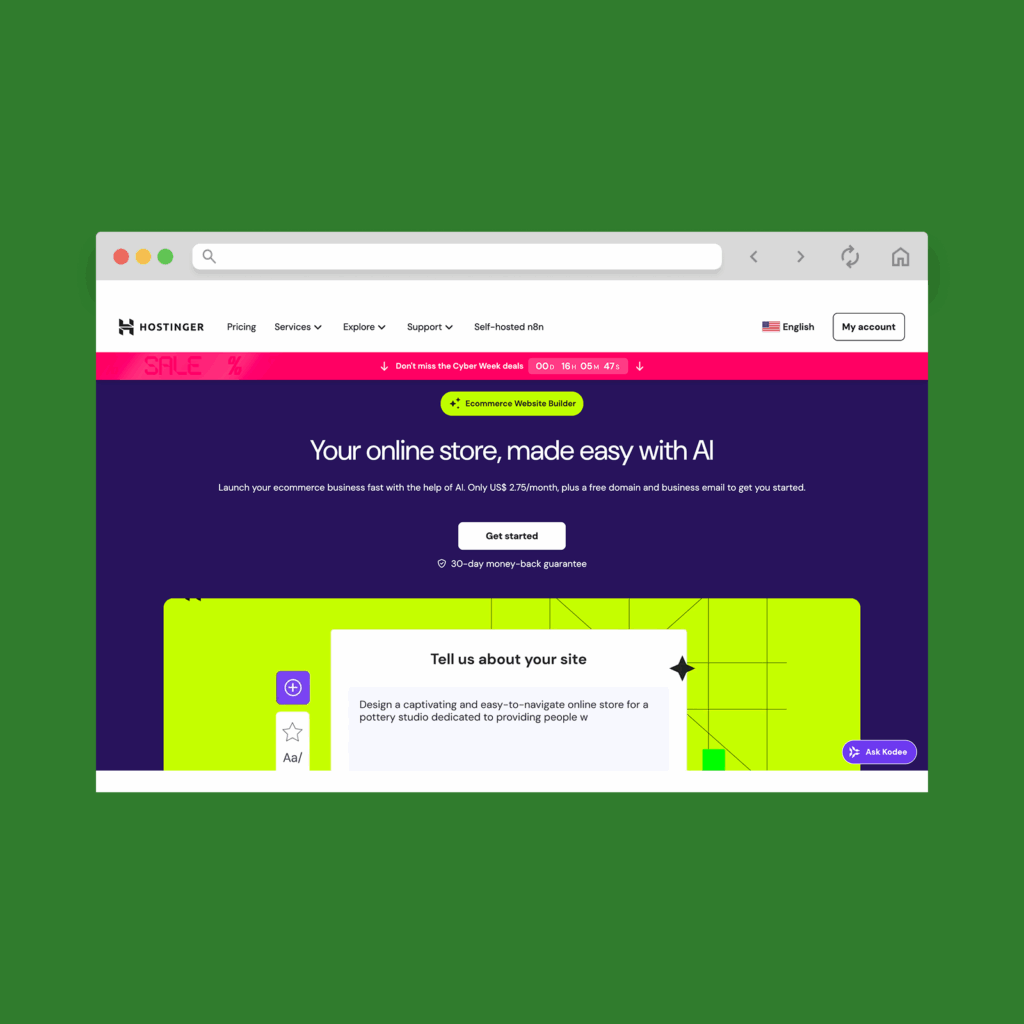
Hostinger’s eCommerce website builder is a visually driven, AI-powered eCommerce platform designed for small business owners who want to launch fast and look polished without hiring a web designer.
The drag-and-drop builder, AI branding tools, and built-in store automation make it simple to start selling products, digital goods, or services in hours. You also get unlimited bandwidth, responsive templates, and detailed analytics to track performance and customer data.
Pricing: Plans start at around $2.99/month for basic sites, with the Business tier unlocking eCommerce software for small business features like advanced product management and marketing tools. Even lower-tier plans include SSL, hosting, and AI setup support.
Best for: Entrepreneurs and creators who want an affordable, modern all-in-one builder to launch an eCommerce website quickly.

Ecwid is the plug-in that plays nice with everyone. It’s designed to transform any existing website or blog into a fully functional online store without requiring a complete rebuild from scratch.
Add it to WordPress, Wix, or even social media platforms. It’s lightweight, user-friendly, and great for online selling if you already have a site or community and want to add checkout power.
Pricing: Starts with a $5 plan, then jumps to advanced tiers from $30/month with better tools and no transaction fees.
Best for: Bloggers, freelancers, and brands with an existing website looking to add online payments quickly.
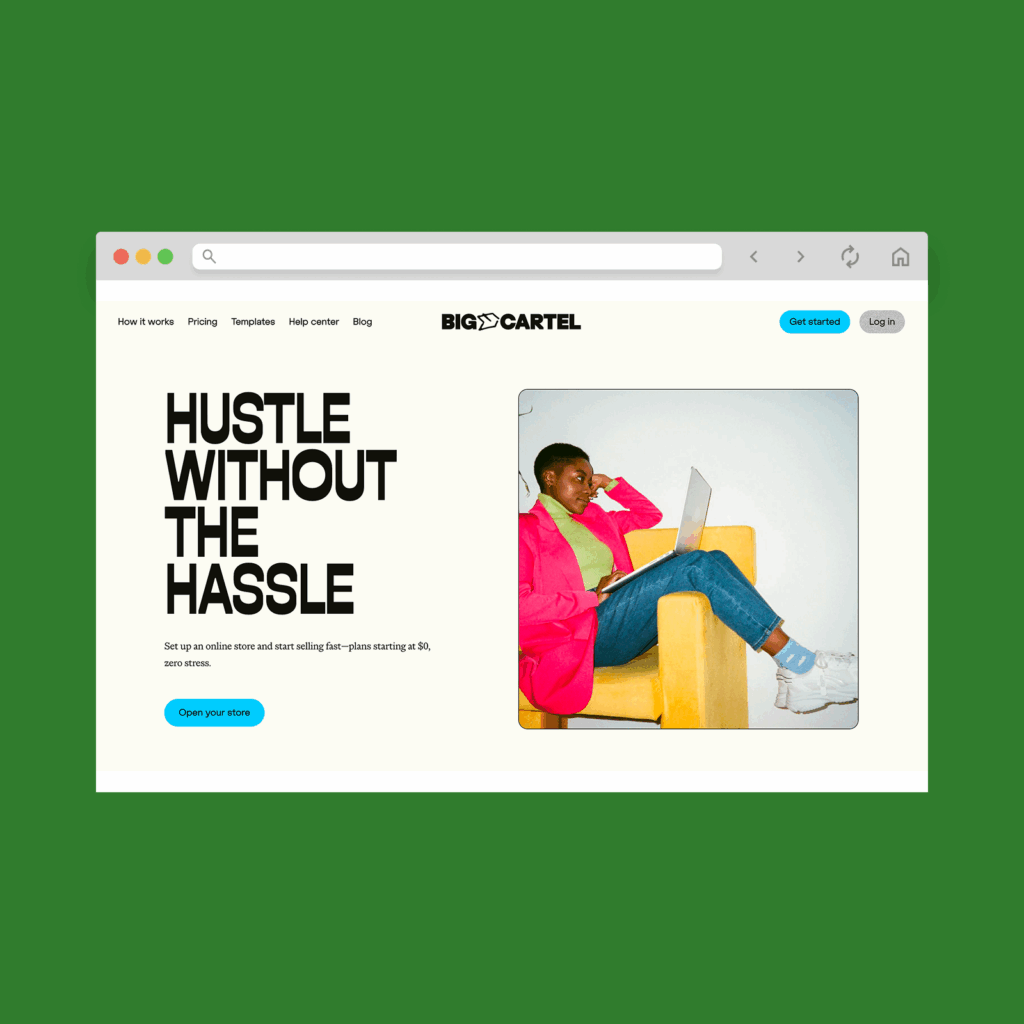
Big Cartel was created for makers, not corporations. It’s a minimalist eCommerce platform tailored for artists, crafters, and creative entrepreneurs who sell limited collections or one-of-a-kind pieces.
The interface is clean, the setup takes minutes, and it gives you full creative control over your online store without clutter or complexity.
Pricing: Includes a solid free plan for up to five products, with paid tiers from $15/month unlocking more listings and customization.
Best for: Independent artists, hobby sellers, and small creators who want an affordable, stylish way to sell online without overcomplicating things.

Identify your core goals.
Before choosing a platform, determine what you’re building. Do you want to sell products, offer services, or share digital downloads? A handmade jewelry brand and a fitness coach don’t need the same setup.
For example, Shopify is great for managing products and shipping, while Squarespace or Wix are better suited for creative businesses that focus on design and bookings. Start by mapping out your priorities – sales, creativity, or community.
Determine your technical comfort level.
Be honest about your level of tech-savviness. If you’d rather design than debug, look for a platform with a clean drag-and-drop editor and built-in tutorials (Shopify, Wix, Squarespace).
If you love tinkering under the hood and already use WordPress, WooCommerce gives you total freedom to customize. Your ideal platform should make you feel in control – not in over your head.
What is your budget?
Costs go beyond the monthly plan. Think about transaction fees, payment provider rates, apps, and upgrades.
For instance, Shopify and BigCommerce include professional tools like reports and automation in higher tiers, while Wix offers lower-priced starter plans with fewer features. The goal is to find pricing that matches your pace – flexible enough for your first sale but strong enough to support growth.
What integrations do you need?
Your store doesn’t live in isolation; it should connect smoothly to your tools. Check if your platform syncs with your favorite email marketing software, social media, accounting apps, or inventory tools.
Shopify, for instance, has thousands of integrations ready to plug in, while Squarespace focuses on elegant built-ins. Choose a setup that automates the boring stuff so you can focus on the fun part – making sales.
The need for scalability.
You might start small, but the right platform should grow with you. Look for features like advanced analytics, reliable hosting, and support for unlimited products or higher traffic.
Think long-term: will it still work when you go from five orders a week to five hundred? Platforms like Shopify and BigCommerce are built for scaling up without making you rebuild your entire store from scratch.

If your dream business involves selling custom products, Printify has your back. It’s the world’s leading print-on-demand platform, built to connect seamlessly with Shopify, Wix, Amazon, and other major sales channels.
You get global printing partners, the industry’s largest Catalog, and 24/7 customer support – all without touching inventory or packaging boxes yourself.
Here’s how it works:
Your creativity, our production power. It’s that simple.
Shopify is the all-rounder – it’s easy to use, scalable, and packed with tools for product management, shipping, and analytics. Wix and Squarespace shine for visual brands, while WooCommerce gives WordPress users full control. The best pick depends on your goals: simplicity, customization, or growth potential.
Shopify and Wix are excellent starting points. They include beginner-friendly dashboards, drag-and-drop design, and no-code setup, so you can launch your store fast. Both platforms include hosting, payment options, and helpful tutorials that make the learning curve surprisingly short.
“Better” depends on what you value most. Squarespace outshines Shopify for portfolio-style sites or service-based brands. WooCommerce wins if you already use WordPress and want deep customization. BigCommerce may beat Shopify in built-in tools and zero transaction fees. Each platform has its sweet spot – it’s about matching features to your business model.
Choosing the right eCommerce platform isn’t just a tech decision – it’s a growth strategy. The best one fits your skills, goals, and ambition today and scales with your success tomorrow. Once you’ve picked your platform, add Printify to your toolkit to sell unique, print-on-demand products with zero hassle. Create your store, design your merch, and watch your business take off.

Open your business today: Create and sell beautiful custom-products within minutes. Printify prints, and delivers 1,300+ products at the lowest prices around. No risk, all reward.
100% free · Easy to use · 1,300+ products