

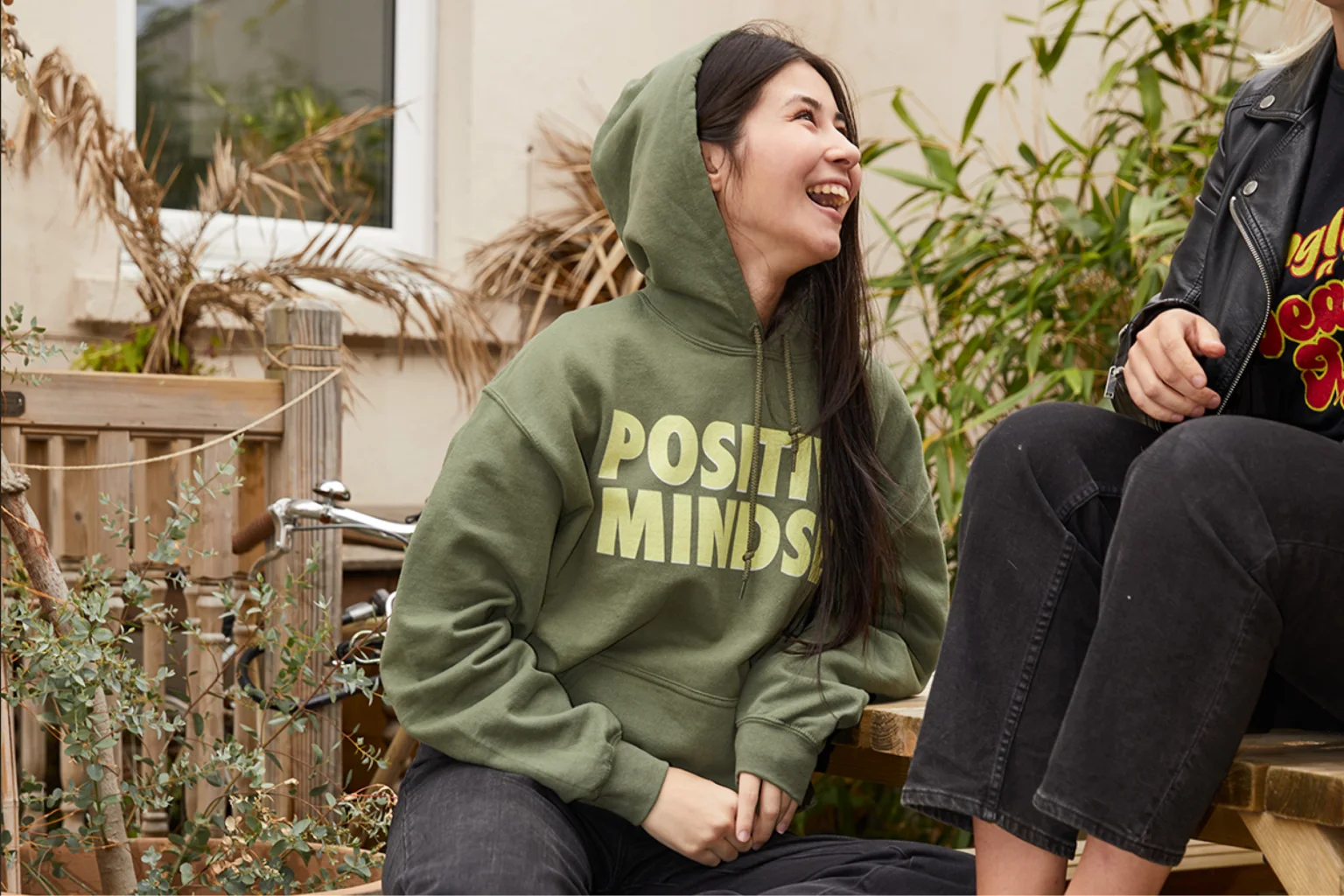
Bring your design ideas to life
Design trends no longer follow slow seasonal cycles. They spread fast across social media, driven by viral content and shifting consumer preferences. For print-on-demand sellers, timing is everything. AI-powered systems analyze real-time data to spot trends early.
This article explains how AI predicts viral designs, and how POD sellers can use them to drive smarter growth.
Key takeaways
- AI-powered trend forecasting helps POD sellers spot viral designs earlier by analyzing real-time data across social media, search, and eCommerce.
- Unlike traditional fashion forecasting, AI identifies emerging patterns humans often miss, improving accuracy and reducing guesswork.
- The most successful POD strategies focus only on what data confirms is gaining traction, not on outdated past trends.
- AI tools turn complex trend analysis into clear, actionable insights that sellers can apply directly to hoodie designs and other POD products.
- When combined with human creativity, AI-driven insights help sellers stay ahead, launch faster, and build stronger product lines.
Why POD sellers are turning to AI for trend prediction
Visual trends now move faster than ever. A hoodie’s unique design can go from unknown to viral content in days thanks to TikTok, Instagram Reels, and YouTube Shorts. Social media images, short videos, and remix culture push new styles into different markets almost instantly.
Traditional forecasting methods struggle to keep up. Manual research, mood boards, and seasonal reports rely heavily on past trends and limited samples. By the time insights are published, current trends may already be fading.
Classic fashion forecasting also depends on human observation, which makes it harder to identify subtle emerging patterns across millions of data points.
AI helps solve this problem. AI-powered tools process fresh data from social media, eCommerce platforms, and search engines continuously. Instead of reviewing hundreds of posts, AI scans millions. This allows sellers to spot trends early, identify current trends, and stay ahead while competitors react late.
Another advantage is how AI sees patterns humans miss. Pattern recognition across colors, typography, visual styles, captions, and consumer behavior reveals connections that are invisible through manual trend analysis. For POD sellers, this improved accuracy can mean launching hoodie designs that align with trending styles before they reach saturation.
How AI actually predicts viral design trends

Artificial intelligence predicts new trends by combining data scale with advanced modeling. It does not guess. It learns from behavior, engagement, and signals across platforms.
What data sources does AI analyze for design trends?
AI systems pull insights from diverse sources to identify current trends and future trends.
- Social media platforms are the most important input. Engagement metrics from social media, such as likes, shares, saves, and comments, help AI-powered models understand which visual styles and messages resonate. Hashtags, captions, and social media images reveal how trends evolve and spread.
- Search data adds another layer. Keyword trends, related queries, and topic clusters show what people are actively looking for. This helps AI predict trends that are moving from awareness into buying intent.
- eCommerce data provides commercial validation. Product performance, reviews, conversion rates, and repeat purchases show which unique designs actually sell. This is critical for print-on-demand sellers who want to reduce unsold inventory.
- Cultural signals also matter. Fashion shows, art movements, gaming culture, music releases, and global events influence fashion trends and design preferences. AI connects these signals into broader market trends that impact fashion brands and small POD hustles alike.
What machine learning techniques are used to identify patterns?
Machine learning is the engine behind trend forecasting. Different techniques work together to produce reliable predictions.
- Natural language processing is used to analyze text from captions, reviews, and comments. Through sentiment analysis, AI identifies emotional reactions, humor, irony, or nostalgia that fuel viral content. This helps predict trends tied to identity, memes, or shared values.
- Computer vision analyzes images and videos. AI-powered image recognition detects color schemes, shapes, layouts, textures, and visual styles. It notices when similar hoodie designs, fonts, or graphics appear repeatedly across platforms.
- Predictive analytics ties everything together. Predictive models use past trends and real-time data to estimate future popularity. Neural networks simulate how trends spread and decay. These predictive models improve accuracy over time as they learn from outcomes.
Together, machine learning techniques allow AI to predict trends earlier than traditional methods and with greater confidence – it is a real game-changer.
What does this mean for POD sellers?

For POD sellers, this means brands stay ahead instead of reacting late. AI insights shorten development time, guide design decisions, and help sellers create designs aligned with consumer preferences. Instead of guessing, sellers can use data-driven insights to launch POD products with higher success rates.
What makes a design go viral?
Not every trend becomes viral. Viral designs share specific characteristics that AI systems are trained to detect.
- Emotional resonance: Designs that spark humor, nostalgia, pride, or belonging spread faster. Sentiment analysis helps AI measure these reactions at scale.
- Instant recognizability: Viral content often communicates its message in seconds. Clear visuals, bold typography, or familiar symbols perform well, especially on social media.
- Hyper-niche relevance drives sharing: In-jokes, fandom references, and identity-based memes resonate deeply with small communities. These designs may not appeal to everyone, but they convert extremely well.
- Color or typographyspikesoften signal new patterns: Sudden repetition of specific color schemes or font styles across platforms alerts AI-powered tools to trending styles.
- Simple visual storytelling: Designs that tell a story without explanation are more likely to be shared, remixed, and adapted.
AI-predicted design trends for the next 12 months
Based on trend forecasting signals across fashion, eCommerce, and social media, these tendencies show strong momentum.
1. Maximalist graphics and loud prints
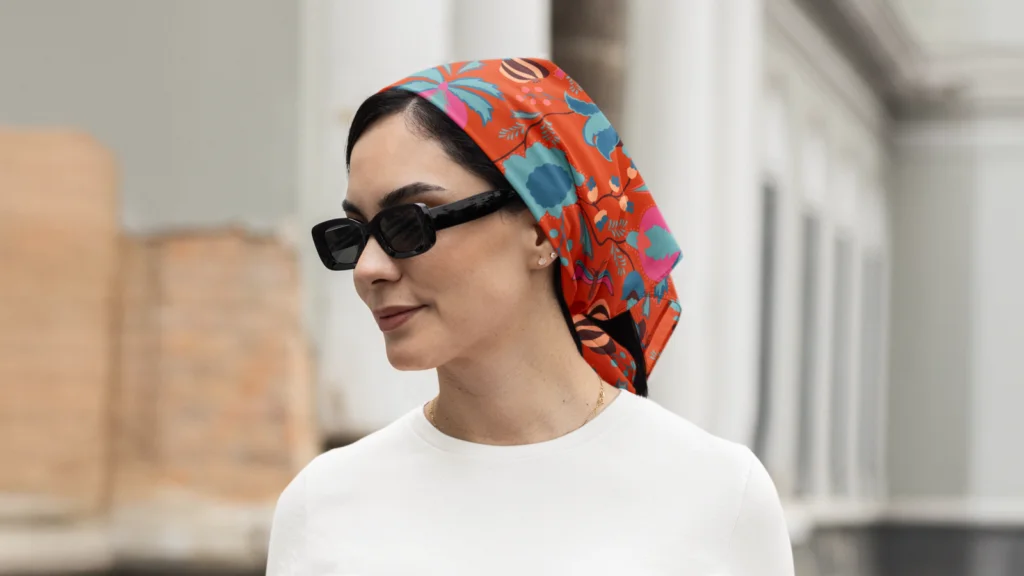
Tired of scrolling past bland content? That’s why maximalist graphics and loud prints are trending. This style uses a “more is more” approach, leaning on bold compositions, oversized elements, and layered visuals.
These hoodie designs instantly grab attention in crowded feeds, making them perfect viral content.
To profit from this, POD sellers should ditch minimalism and start experimenting with complex statement graphics, intense patterns, and expressive color combinations.
Check our blog for more trending products.
2. AI-generated digital-art prints

Generating truly complex visuals at scale used to be difficult, but not anymore. Now, thanks to AI-powered tools, we’re seeing a flood of AI-generated digital-art prints.
These designs are far from simple: they feature imaginative, surreal compositions, unusual, unexpected textures, and a striking futuristic aesthetic. It’s a massive shortcut; now, big fashion brands can use this art to test new styles quickly and efficiently, completely bypassing long production cycles.
3. Hand-drawn, doodle, and human-touch illustrations
Even as technology advances, there’s a definite craving for the imperfection of things made by hand. That’s why hand-drawn, doodle, and human-touch illustrationsare so popular. Styles using sketchy lines, spontaneous doodles, and a raw look simply feel personal and authentic to people.
What’s clever is that AI helps identify these emerging patterns across social media, flagging the trend even when the final designs look handmade.
4. Retro-futurism, cyber aesthetic, glitch, and neo-futurist designs
Retro-futurism, cyber aesthetic, glitch, and neo-futurist designs are all about creating visually striking results by blending past trends with future themes. That’s classic 80s arcade vibes but with a high-tech twist.
Things like glitch effects, cyber motifs, and digital nostalgia are extremely trending styles right now, especially across streetwear and hoodie designs. Unsurprisingly, these highly stylized visuals consistently perform well in tech-focused communities that love a throwback.
5. Eco, biophilic, and nature-inspired visuals
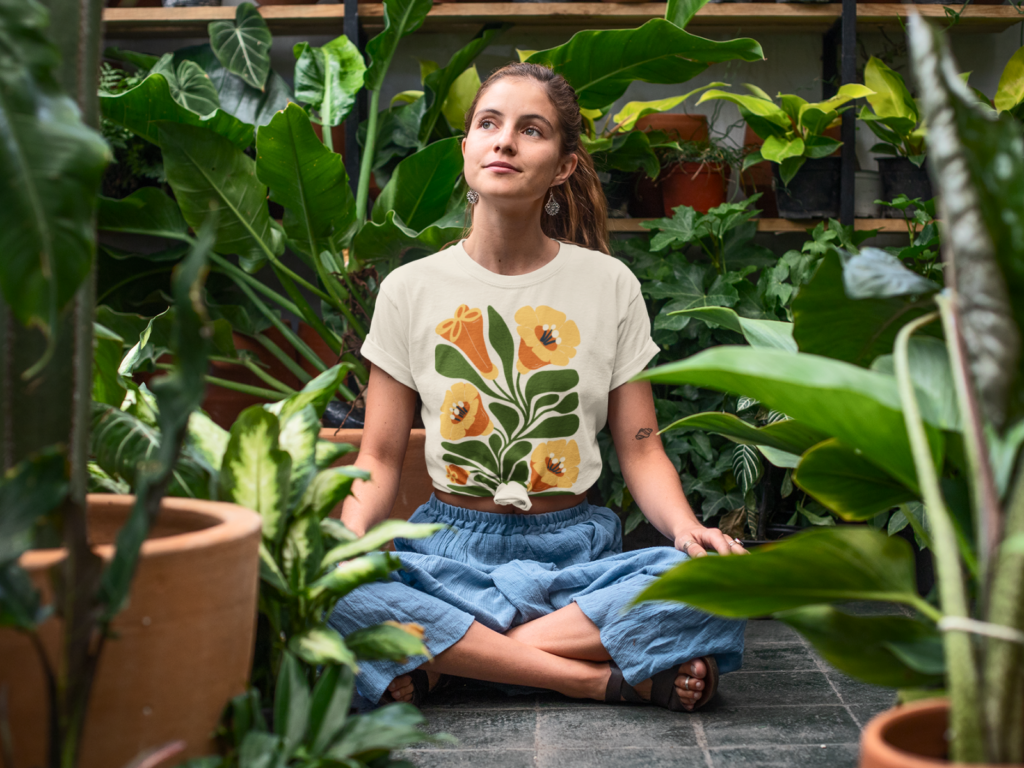
The movement toward sustainability is strong. We’re seeing this in the rise of eco, biophilic, and nature-inspired visuals, which rely on nature motifs, organic shapes, and earthy color schemes.
Our trend analysis shows that more customers are actively looking for new product lines and designs that clearly signal environmental values—but they prefer it without heavy-handed or aggressive messaging.
6. Textured and real-material aesthetics
Textured and real-material aestheticsmake a design feel grounded and premium. These are visuals that mimic things like raw fabrics, visible grain, signs of wear, or other tactile surfaces.
The great news for POD products is that these kinds of visuals translate exceptionally well to print, successfully helping you reduce that flat digital look.
7. Cross-cultural and global-inspired prints
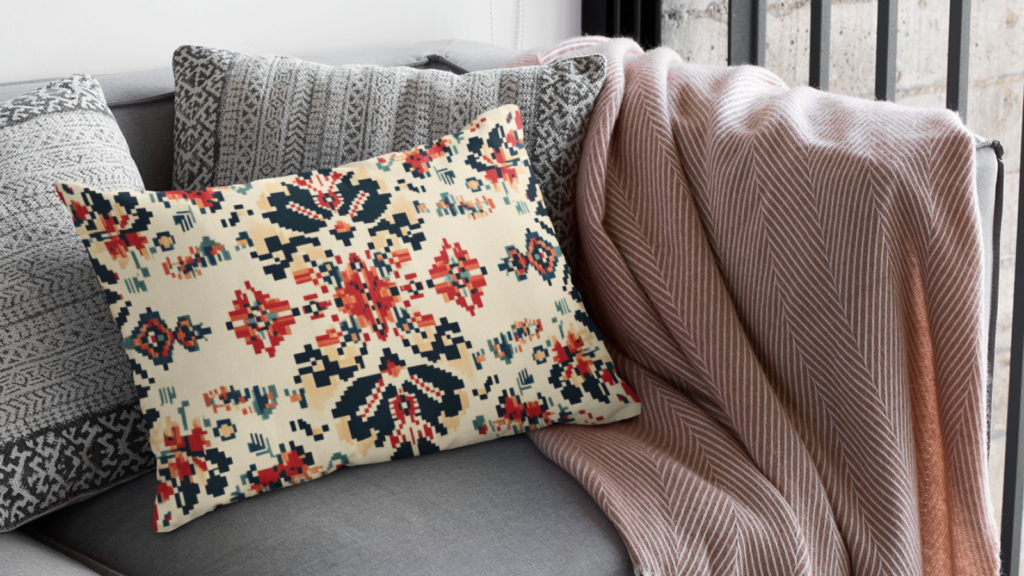
Cross-cultural and global-inspired prints are really gaining traction now. This reflects a worldwide interest in global aesthetics that are strongly influenced by things like travel, diaspora culture, and the merging of hybrid identities.
What makes this easier for businesses is that AI helps identify current trends across many different markets, which ultimately makes it much quicker and simpler to successfully localize designs.
8. Romantic, feminine, and nostalgic prints

Romantic, feminine, and nostalgic prints are definitely making a comeback in a big way. Designs featuring soft florals, lace motifs, and romantic symbolism are becoming popular again because these fashion trends connect strongly with human emotion and memory.
That deep personal connection is key to success, as it naturally increases sharing and customer engagement on social platforms.
9. Futuristic and techwear-inspired prints
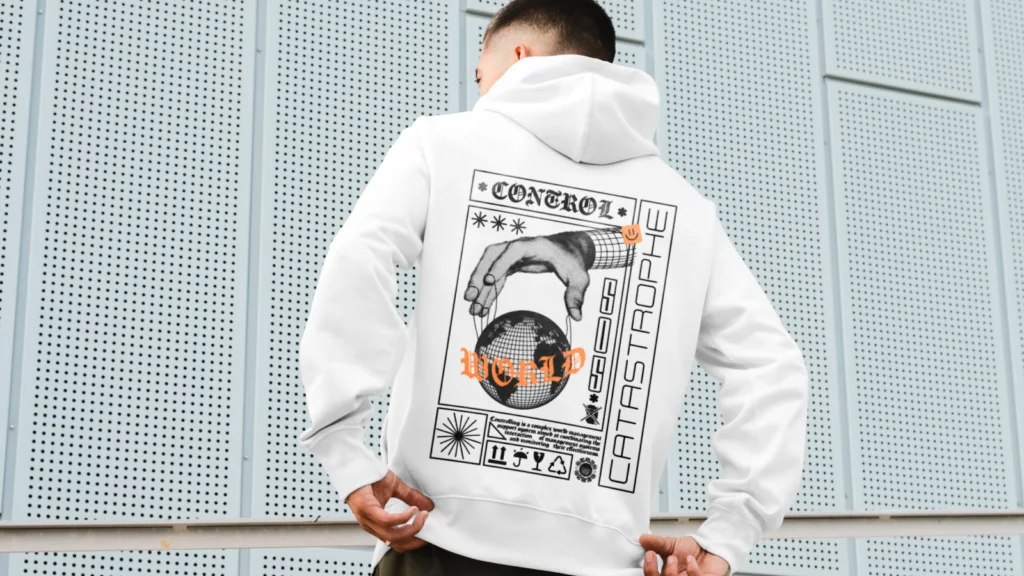
If you look at trend prediction signals, you’ll see strong momentum behind futuristic and techwear-inspired prints. This style is defined by tech-infused aesthetics, practical utility details, and a sleek, minimal cyber design.
This rising interest is particularly strong among streetwear audiences. When it comes to products, hoodie designs that feature clean lines and clear tech references are performing especially well across the board.
10. Identity-driven, hyper-niche meme and micro-culture designs
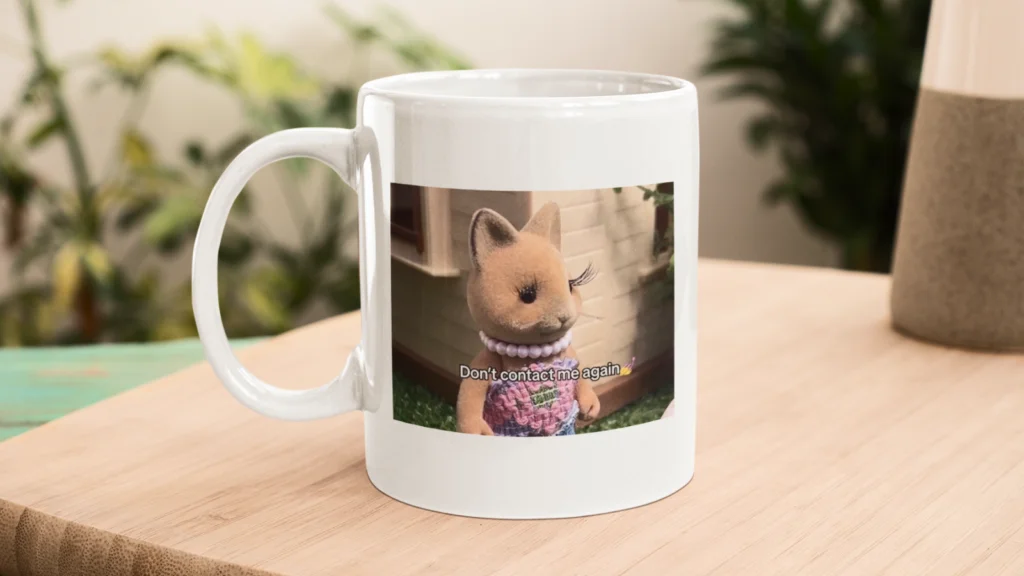
Social media is naturally fragmenting culture, and as that happens, hyper-specific merch becomes powerful. This is the core appeal of identity-driven, hyper-niche meme and micro-culture designs.
AI-powered social listening is critical here because it successfully identifies new patterns and demand within very small communities. For small POD business owners, knowing exactly what these micro-audiences want makes these unique designs an absolute secret weapon for guaranteed sales.
Design trends in a glimpse
| Design trend | Why it’s emerging | How POD sellers can use it |
|---|---|---|
| Maximalist graphics | Visual overload stands out in feeds | Bold hoodie designs with layered elements |
| AI-generated digital art | Faster creation and experimentation | Limited drops using AI-powered tools |
| Hand-drawn illustrations | Desire for authenticity | Add sketch-style graphics to pod products |
| Retro-futurism | Nostalgia meets technology | Cyber-themed hoodie designs |
| Eco visuals | Values-driven consumer preferences | Nature-inspired apparel lines |
| Textured aesthetics | Premium, tactile appeal | Prints that mimic fabric or wear |
| Global-inspired prints | Cultural blending | Region-specific collections |
| Romantic prints | Emotional connection | Soft florals and nostalgic designs |
| Techwear styles | Function meets fashion | Utility-inspired hoodies |
| Hyper-niche memes | Community identity | Small-batch viral content drops |
How POD sellers can apply AI insights step by step

Integrating AI into your workflow does not replace creativity. It enhances it by removing guesswork and freeing time for storytelling, designing, and marketing.
- Start with social listening. Use AI tools to monitor social media trends, hashtags, and engagement across platforms. Focus on repeat visual cues and language patterns.
- Validate with eCommerce signals. Compare AI insights with trending products, popular t-shirt designs, and print-on-demand trends to confirm demand.
- Create designs faster. Use AI-powered tools to prototype hoodie designs quickly. This reduces development time and supports experimentation without risk.
- Launch small and test. Print-on-demand allows sellers to release limited runs and adjust based on performance. This reduces unsold inventory and improves margins.
Check popular t-shirt designs for your POD business in our blog.
Frequently asked questions about AI and viral designs in POD
AI improves accuracy by analyzing real-time data and predictive models. It performs well for short-term trends and viral content when signals are strong.
No. Many AI-powered tools are accessible and designed for non-technical users. Basic design skills are enough to apply insights effectively.
Yes. AI excels at spotting emerging patterns within micro-communities, helping sellers identify current trends and niche opportunities early.
Conclusion
AI changed how trends are discovered, validated, and monetized. For print-on-demand sellers, it is a powerful ally that combines artificial intelligence, creativity, and speed. With AI insights, sellers can predict trends, stay ahead of competitors, and launch designs with real-world impact.
The future of POD businesses belongs to those who blend technology with creativity. AI helps sellers move faster, smarter, and with confidence while staying human at the core.