Artificial intelligence has transformed how creators design and sell products. With tools like Midjourney, DALL·E, and ChatGPT, making AI art has never been easier.
But can you sell AI-generated art? The short answer is yes – if you follow legal rules, choose the right platforms, and understand the pros and cons. This guide explains everything POD sellers need to know.
Disclaimer: Not Professional Advice
This content is for informational purposes only and does not constitute professional advice. The content is based on our understanding as of the date of publishing. Readers are encouraged to seek advice from qualified professionals for specific situations. Actions taken based on this information are at your own risk. Printify is not liable for any losses or damages.
Key takeaways
- Selling AI-generated art is legal, but copyright often depends on how much human input went into the design.
- Every AI art generator has unique usage rights you must follow for commercial sales.
- The best platforms for selling AI art include Etsy, Adobe Stock, and your own website.
- AI art offers unlimited designs, but ethical considerations and marketplace restrictions apply.
- Printify’s print-on-demand service makes it simple to turn AI artwork into products for a global audience.
Can you legally sell AI-generated art?

Navigating the legality of selling AI-generated art can feel confusing, but it boils down to a few key areas.
While you can sell AI art, understanding the nuances of ownership, usage rights, and ethics is the first step to building a sustainable business.
Copyright and ownership: The ‘human input’ factor
In most countries, including the United States, designs that are purely AI-generated without significant human input are generally not protected by copyright. This means you can sell them, but you may not own the exclusive rights, and theoretically, someone else could use or sell a similar image.
The key phrase here is “significant human input.” This is where your creativity and technical skills come into play. The US Copyright Office has clarified that merely writing a text prompt is not enough for copyright.
However, if an artist uses AI art as a base and then substantially modifies it, the resulting work may be copyrightable.
At the same time, AI-generated content can still infringe copyrights and other third-party rightsif it reproduces protected elements from existing works, even when the output is generated automatically.
Examples of significant human input include:
- Compositing: Skillfully combining multiple AI generations into a single, cohesive image.
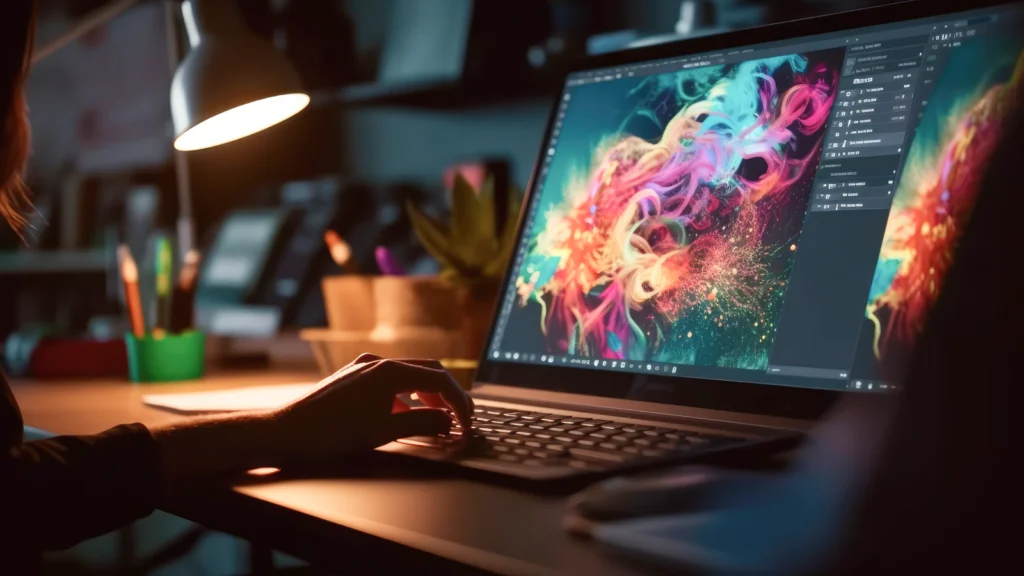
- Digital painting: Using an AI-generated image as a foundation and then painting over it in a program like Photoshop or Procreate to add details, change colors, or alter the composition.
- Substantial photo editing: Engaging in complex editing, color grading, and manipulation that fundamentally changes the AI’s raw output.
This distinction is crucial, as the process of creating art with AI is being legally defined in real-time. A complex workflow involving multiple AI tools and manual edits strengthens your claim to ownership.
Usage rights and terms of service
Every AI art generator has its own terms of service that you must read carefully. These terms dictate whether you can use the images you create for commercial purposes.
- Midjourney: Its license is tied to your subscription. Free users cannot use images commercially. Paid subscribers, however, generally can, but the specifics can vary.
- DALL-E 3 (via ChatGPT plus): OpenAI lets users use the images they create commercially, including selling them.
- Stable Diffusion: If you run the open-source model on your own hardware, you have maximum freedom to use your creations without restriction.
Always verify the commercial usage rights before you start selling AI-generated art.
The ethical concerns of AI art
AI art is a rapidly growing market, but debates continue about its impact on human artists, particularly concerning the data used to train AI models. Many artists are concerned that their work was used without consent to “teach” the AI.
However, a new class of creators, who proudly call themselves AI artists, is emerging. Many of them argue that their craft lies in the intricate process of prompt engineering, curation, post-production editing, and conceptual direction.They view the AI as a powerful collaborator or a new kind of paintbrush rather than a simple button-press solution. Adding your own unique touch, being transparent about your process, and respecting intellectual property (e.g., not intentionally copying a living artist’s style or a copyrighted character) are key to navigating this space ethically.
Choosing your tools: A look at top AI art generators

The art generator you choose will significantly impact your workflow, style, and the quality of your AI art. And, while there are dozens of AI tools available, three major platforms get the most use. Understanding their key features will help you pick the right one for your projects.
Midjourney
Best for highly stylized and artistic results with minimal effort. Midjourney operates primarily through Discord, making it very accessible. Its main key features are its “opinionated” aesthetic, meaning it tends to produce beautiful, polished images even from simple prompts, and its vibrant community.
It’s an excellent tool for creating fantasy art, abstract designs, and any project that requires a polished, illustrative feel.
Become a pro on Midjourney prompts with our blog article.
Stable Diffusion
Best for maximum control, customization, and freedom. Stable Diffusion is an open-source model, which means anyone with sufficient technical skills can run it on their own computer.
Its main key features are its customizability through thousands of user-trained models (checkpoints) and extensions like ControlNet, which gives you precise control over poses and compositions. This is the tool for creators who want to fine-tune every aspect of their AI-generated images.
DALL-E 3
Best for prompt accuracy and integration with natural language. Integrated into ChatGPT Plus, DALL-E 3 excels at understanding complex, conversational prompts.
If you want an image of “an astronaut sloth wearing a Victorian-era waistcoat and riding a bicycle on Mars,” DALL-E 3 is arguably the best at getting every one of those details correct. It’s also particularly strong at integrating text into images.
Explore more on ChatGPT prompts on our blog.
Where can you sell AI-generated art?
Once you start creating your artwork, you need a place to sell it. Fortunately, there are many platforms to list your AI-generated art and start earning.
A deep dive into the best marketplaces
The best marketplace to sell AI art depends on your goals, whether you’re targeting consumers with physical products or businesses with digital licenses.
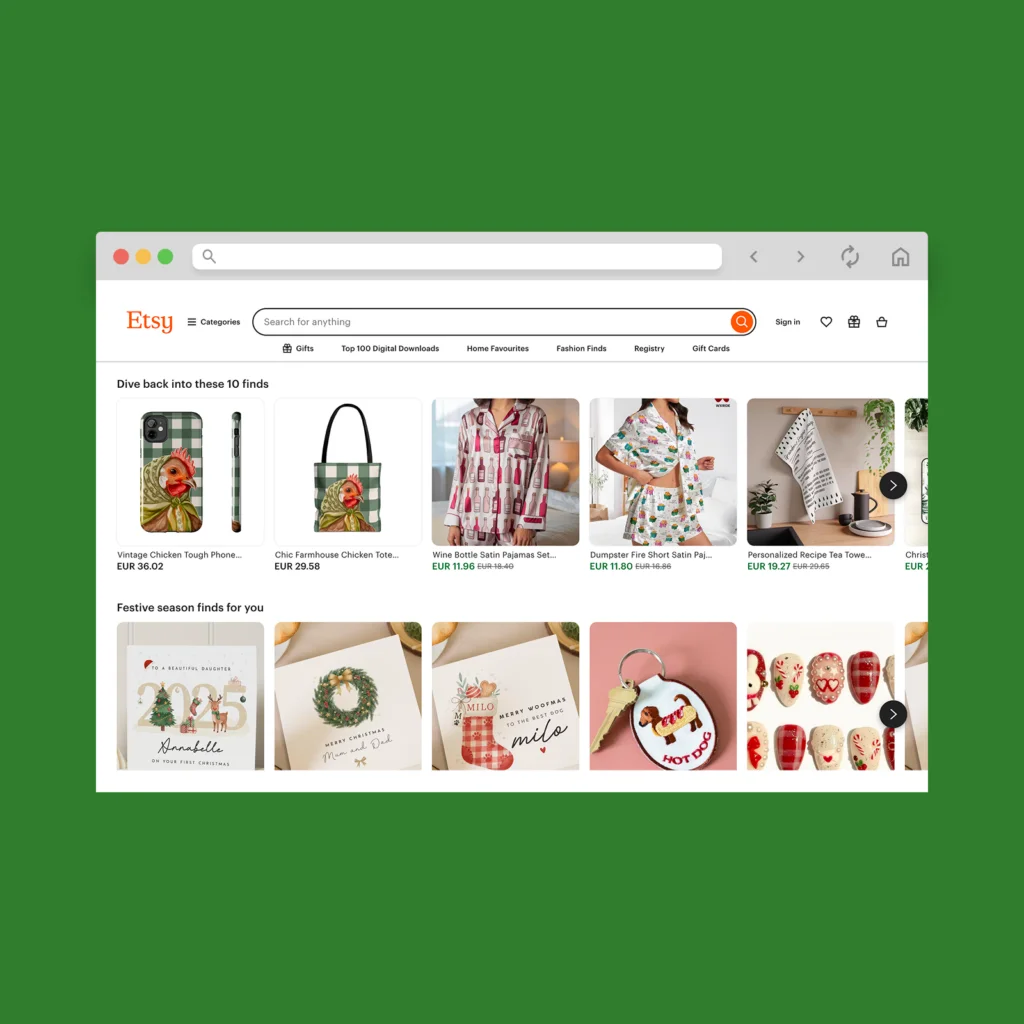
- Etsy is arguably the most popular art marketplace for independent creators. You can sell physical products like posters, t-shirts, and home decor using a POD service like Printify, or you can sell digital products like downloadable wall art packs or custom image bundles. Etsy’s massive audience is a huge pro, but competition is fierce, and you must follow their policy of disclosing that your work is made with AI.
- Print-on-demand marketplaces (Redbubble, Society6) are great for beginners. You simply upload your artwork, apply it to various products, and the platform handles everything from production to shipping. They are an easy route into the market, although profit margins are typically lower than those of running your own website.
- Adobe Stock and other Stock Photo sites have started accepting AI images, provided they are labeled correctly. This is a great way to generate passive income by selling AI art to businesses, marketers, and designers who need visuals for their projects.
Selling NFTs: The high-end frontier for AI art
For artists looking to position their work as high-value, collectible pieces, selling NFTs (non-fungible tokens) has become a primary goal. An NFT is a unique digital certificate of ownership for a piece of art, stored on a blockchain. Because AI art is digitally native, it’s a perfect fit for this market.
The process of selling NFTs involves “minting” your artwork on a blockchain, which creates a permanent, verifiable record of its origin and ownership. This allows for true digital scarcity.
The best marketplaces for selling NFTs include OpenSea (the largest and most accessible), Foundation (a curated platform for high-end art), and Rarible. While the market can be volatile and requires some technical understanding, the potential rewards can be substantial.
Your personal online store
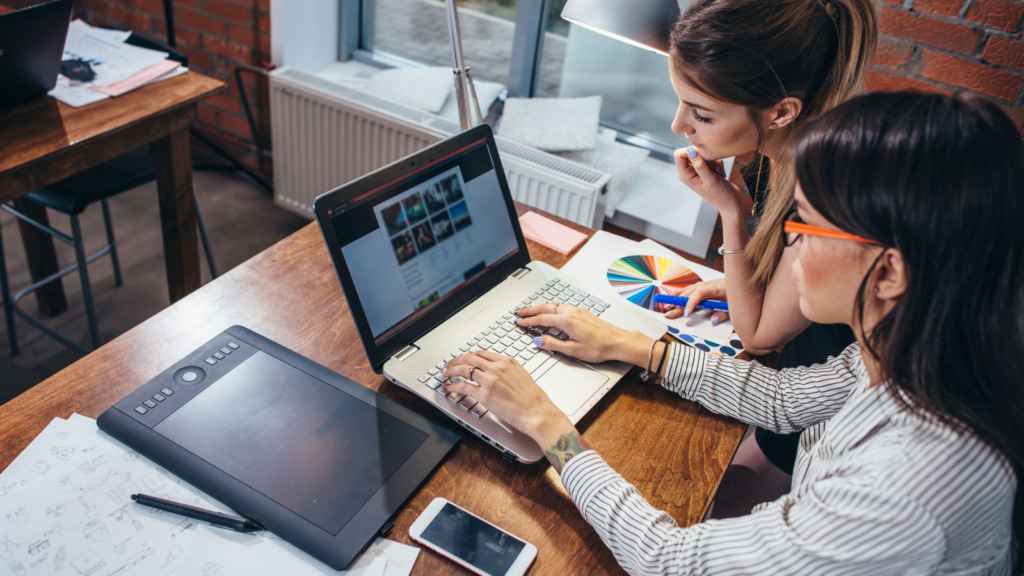
Running your own website using platforms like Shopify or Squarespace gives you complete control over your brand, pricing, and customer relationships. Integrating a print-on-demand service like Printify is super easy.
This path requires more effort in marketing and driving traffic, but offers the highest profit potential and allows you to build a direct connection with your audience.
Social media platforms
While not direct sales channels, platforms like Instagram, TikTok, and Pinterest are essential for marketing. Use them to showcase your designs, share your creative process, reach your target audience, and drive traffic to your Etsy shop or website.
Pros and cons of selling AI-generated art
Pros:
- Unlimited designs: You can create an unlimited number of designs and variations quickly, without needing expensive equipment or years of drawing practice.
- Low barrier to entry: POD platforms make it incredibly easy to start selling physical products like t-shirts, posters, and phone cases with zero upfront inventory costs.
- Global reach: Online marketplaces and social media let you reach a global audience of art enthusiasts.
- A growing market: The demand for fresh, unique, and niche artwork is constantly expanding, and AI art is a new and exciting category within it.
Cons:
- Limited copyright control: As discussed, purely AI-generated artwork may lack copyright protection, meaning you have limited control over its use by others.
- Ethical concerns: The ongoing debate about AI’s impact on human artists and data sourcing can be a sensitive topic for some consumers.
- Marketplace restrictions: Some platforms may have stricter rules or outright bans on selling AI-generated designs. Always check the terms.
- Quality and originality: AI outputs can sometimes be generic or contain strange artifacts. They often lack the nuanced human touch, requiring a skilled artist’s eye to curate, edit, and refine them into a truly compelling product. AI-generated content can also infringe on third-party rights, so merchants should ensure their prompts and final designs comply with applicable copyright, trademark, and other intellectual property laws.
Tips to sell AI art successfully
- Choose the right art generators: Pick AI tools with a user-friendly interface and, most importantly, clear commercial usage rights. Don’t build a business on a tool that doesn’t permit it.
- Refine your creative process: Don’t just sell raw AI outputs. Add your unique value. For example, instead of a generic prompt, develop a detailed one like “Cinematic photo, a wise old tabby cat with spectacles, sleeping on a pile of dusty, leather-bound books in a baroque library, volumetric lighting.”
Then, take that image and elevate it by adding a specific stylistic overlay, such as creating a moody Art Deco poster by incorporating geometric lines and bold typography in post-production. - Know your target audience: Research what your customers want. Are they looking for abstract digital products, cute animal designs for home decor, or edgy graphics for custom apparel? Focus on a niche to stand out.
- Promote on Social Media: Showcase your best AI artwork, run polls to engage your followers, and share behind-the-scenes glimpses of your creative process. This builds a loyal following for ongoing art sales.
- Diversify your platforms: Don’t rely on a single income stream. Use a mix of platforms, from Etsy and Adobe Stock to your own website, for greater stability and reach.
Sell AI-generated art with Printify

Printify is an easy-to-use platform that bridges the gap between your digital AI-generated art and real-world physical products. With Print on Demand, you don’t need to invest in expensive equipment or hold any inventory. You just upload your artwork and start selling.
Here’s how it works:
- Sign up for a free Printify account.
- Create your designs using our AI Image Generatoror another tool of your choice.
- Upload your AI-generated images to products like t-shirts, posters, mugs, and phone cases in the Printify Catalog.
- Publish your product listings to Etsy, your Shopify store, or one of the other best platforms for art sales.
- When a customer makes a purchase, Printify takes over, handling production and shipping directly to them. This lets you focus on marketing and connecting with your customers.
FAQ
No, selling AI-generated art is legal. The key is to respect the usage rights of the AI art generator you use and to avoid creating direct copies of copyrighted characters or other artists’ work.
Yes, you can create AI art with tools like Midjourney or DALL-E and sell it on Etsy, stock platforms, or your own website.
Earnings vary wildly. Some sellers turn it into a profitable side hustle for extra money, while others build full-time online businesses. Your profits will depend on the demand for your niche, marketing skills, and product selection.
Yes, Etsy allows the sale of AI-generated artwork as long as you follow their disclosure policies and are transparent about how the art was created. Many platforms have similar guidelines.
To summarize
So, can you sell AI-generated art? The answer is a resounding yes.
With modern AI tools and art generators, you can create a vast portfolio of original designs to sell on the best platforms like Etsy or Adobe Stock, or you can run your own independent online business. While legal issues and ethical considerations exist, the growing market shows strong demand for this new wave of creativity.
For POD sellers, AI art offers an unprecedentedly easy route into art sales. By combining your unique vision with powerful AI-generated designs and Printify’s seamless print-on-demand network, you can reach a global audience and start creating art that truly inspires your customers today.