


Side hustle made easy – Print, sell, profit.
The print-on-demand market rewards sellers who spot demand early, not those who follow crowded trends. Instead of guessing what might sell, creators must now rely on data to guide niche decisions.
This article explores 5 new micro-niches AI predicts will dominate print-on-demand sales in 2026. Let’s check where buyer interest is forming and how to act on it.
Key takeaways
- AI-driven analysis is pushing micro-niches to center stage, helping sellers spot demand early and avoid overcrowded categories in the POD market.
- Focusing on smaller, data-backed audiences makes it easier to boost sales while building stronger customer loyalty and brand reputation.
- Modern POD businesses can launch and test ideas faster by using AI tools and no-code platforms instead of complex tech stacks.
- Print-on-demand supports sustainable growth by producing items only when ordered, using eco-friendly materials, and helping sellers reduce waste and align with eco-conscious buyers.
- Emerging technologies like virtual reality and AI-powered design are shaping how customers discover, personalize, and connect with future products.
What is a micro-niche?

A micro-niche is a highly specific audience within a larger market. Rather than offering generic items like custom t-shirts, it focuses on products centered around a single identity, lifestyle, or shared interest.
These smaller audiences may seem limited at first, but they often show higher customer loyalty, stronger engagement, and better perceived value.
In the print-on-demand industry, micro niches help sellers avoid competitive markets while still tapping into high demand. Because the messaging is more personal, customized products feel more meaningful. This often supports premium pricing and stronger brand positioning over time.
Investing in print-on-demand is preferable to starting a generic dropshipping business because it enables you to offer deep customization. That gives you the competitive edge when catering to specific micro-niches.
Explore more about print-on-demand niches on our blog.
How AI identifies high-potential micro-niches
AI-powered research tools analyze massive data sets across online shopping platforms, social media, and search engines. AI effectively analyzes data, revealing patterns humans often miss.
Here are the key signals AI tools look for when identifying micro niches with rising demand:
- Trend signals. Sudden spikes in niche phrases across social platforms.
- Social media velocity. How fast does content related to a topic gain traction?
- Search volume indicators. Early movement is visible in Google Trends before the keywords peak.
- Cultural and seasonal triggers. Shifts driven by generational values or global events.
- Audience communities. Growth of niche communities forming around shared identities.
- Competitive gaps. High interest paired with limited existing print-on-demand products.
AI-driven forecasting highlights emerging POD trends long before they become crowded.
The 5 AI-predicted micro-niches for 2026
Each of the following micro niches reflects deeper changes in customer behavior and online culture. They are already showing early access signals across multiple platforms, making them ideal for sellers ready to move fast.
1. Neurodivergent positivity and support communities
Why AI predicts growth
AI analysis shows a sharp rise in content centered on ADHD, autism, and neurodivergent identity. Unlike earlier educational content, today’s focus is affirmation, humor, and everyday support.
This trend directly reflects broader consumer preferences for authenticity and mental health openness. More importantly, Google Trends data confirms consistent growth, not just short spikes, signaling strong long-term potential in the print-on-demand space.
Target audience
- Neurodivergent adults and teens
- Parents and educators
- Mental health advocates
These buyers value personalized products that reflect identity and belonging, driving strong consumer loyalty.
Design ideas
- Dopamine decor with bold colors
- Gentle reminders like “Rest is productive”
- Sensory-friendly typography
Product suggestions
- Stickers
- Mugs
- Custom t-shirts
- Posters and wall art
Explore options in the Printify Catalog to create cohesive collections.


AI design prompt to use
“Create colorful, calming typography posters with inclusive affirmations for neurodivergent adults, modern style, soft textures, optimistic tone.”
Saturation level
Low to medium. Many designs still rely on outdated messaging, leaving room for modernized aesthetics and better brand reputation.
2. Pet owners with hyper-specific breeds

Why AI predicts growth
AI-driven analysis shows that “identity stacking” is a key trend. This means pet owners increasingly define themselves by their pets’ breed, personality, and lifestyle. This focus is especially visible on TikTok and Instagram, where niche pet humor drives high engagement.
In the print-on-demand market, pet products remain in high demand, but hyper-specific positioning creates a clear competitive advantage.
Target audience
- Millennials and Gen Z pet owners
- Breed enthusiasts
- Lifestyle-focused pet parents
Design ideas
- Breed-specific slogans
- Humor based on personality traits
- Activity-based identities
Examples include “Caffeine-powered Shiba Inu moms” or “Hiking chihuahuas club.”
Product suggestions
- Apparel
- Tote bags
- Custom tags
- Pet beds
- Bandanas
These customized products support premium pricing due to emotional connection.


AI design prompt to use
“Design playful illustrated typography for niche dog breeds with humorous lifestyle phrases, bold lines, and social media-friendly.”
Saturation level
Medium. Broad pet designs are crowded, but breed-level niches remain underdeveloped.
3. AI-inspired aesthetic minimalism

Why AI predicts growth
As AI-powered creativity becomes mainstream, consumer preferences are evolving. Instead of chaotic AI art, trending styles now gravitate toward refined, minimal, and intentional visuals. AI-driven personalization supports this shift by generating consistent design systems at scale.
This niche is emerging within home decor and fashion, offering strong crossover appeal.
Target audience
- Design-conscious consumers
- Tech professionals
- Modern home decor buyers
Design ideas
- Generative AI symmetric patterns
- Product innovation with futuristic botanicals
- Soft tech-core color palettes
Product suggestions
- Posters
- Wall art
- Hoodies
- Smart speakers
These items perform well in online shopping environments where perceived value matters. Sellers can use augmented reality tools and custom mockups to let buyers visualize wall art placement before purchase.


AI design prompt to use
“Generate minimal AI-inspired abstract art with symmetrical geometry, neutral tones, modern interior style, premium aesthetic.”
Saturation level
Low. Most sellers still treat AI-generated art as a novelty rather than lifestyle branding.
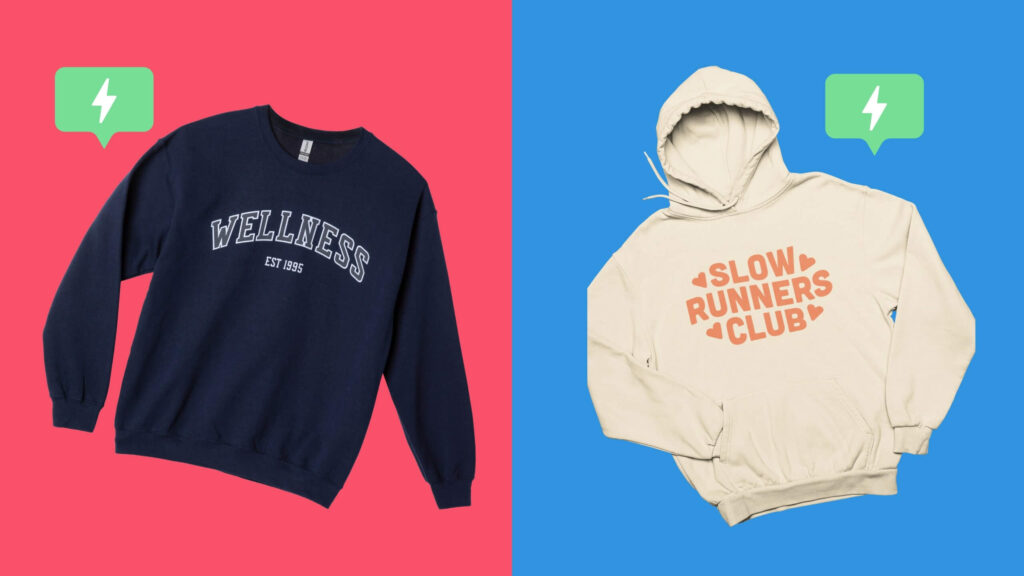
4. Wellness and micro-habits for busy Gen Z and Millennials

Why AI predicts growth
AI tools tracking wellness content show that micro-habits are more successful than long routines. These short, actionable reminders fit busy lifestyles and support sustainable self-improvement. This focus represents one of the most significant print-on-demand trends emerging across the entire industry.
This niche supports a high rate of repeat purchases, significantly boosting your profit margins over time. However, be careful not to overuse subscription models. Customers suffer from “subscription fatigue” due to the numerous services already charging recurring fees.
Instead of forcing subscriptions, focus on using this model only where it genuinely provides customer convenience for low-cost items, such as automatically shipping new journals, sticker bundles, or mug refills that support the customer’s ongoing micro-habit routines.
Target audience
- Students and young professionals
- Wellness-focused consumers
- Productivity enthusiasts
Design ideas
- “one-percent better” themes
- Morning routine visuals
- Habit stacking reminders
Product suggestions
- Journals
- Mugs
- Phone cases
These print-on-demand products integrate naturally into daily life, boosting customer engagement.


AI design prompt to use
“Create minimalist motivational designs focused on micro habits, calming colors, modern wellness aesthetic.”
Saturation level
Medium. Clear differentiation through tone and visual identity is essential.
5. Eco-optimistic aesthetic
Why AI predicts growth
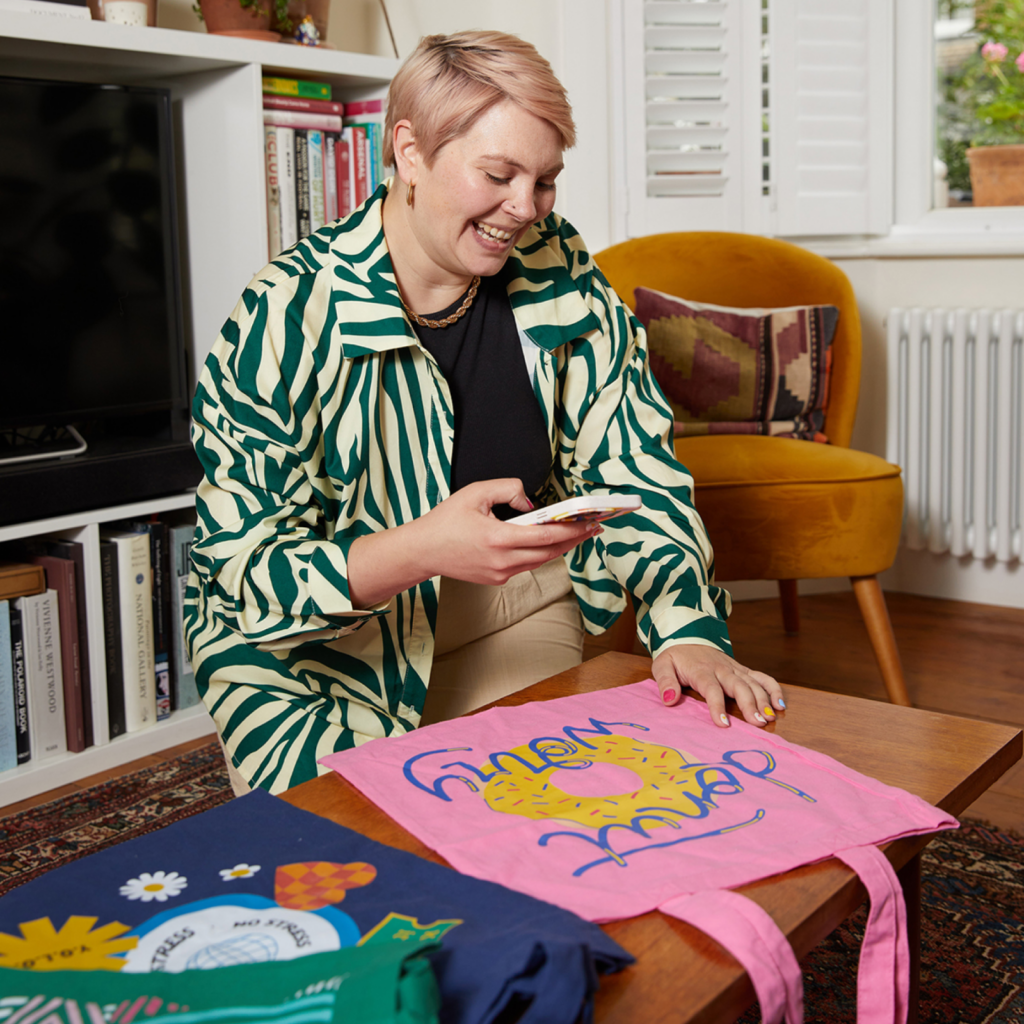
Consumers can’t stand fear-based environmental messaging any longer. AI data confirms buyers now want hopeful, action-oriented visuals instead. This new outlook quickly moves green commerce toward optimism and everyday lifestyle.
This powerful trend aligns perfectly with the current high demand for products made with eco-friendly and sustainable materials, offering a major competitive advantage.
Target audience
- Eco-conscious shoppers
- Young families
- Design-led sustainability advocates
Design ideas
- Climate positive messages
- Earth-friendly typography
- Soft nature-inspired visuals
Product suggestions
- Eco-friendly products
- Biodegradable and sustainable materials
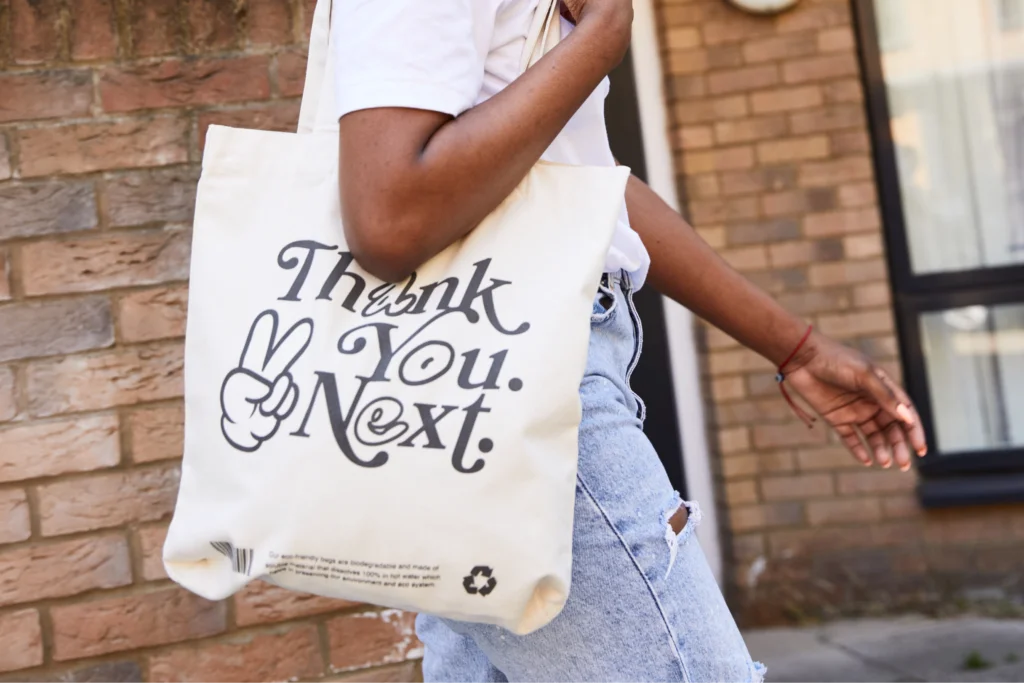
- Tote bags
- Sweatshirts
- Posters


Using eco-friendly materials and custom packaging can further strengthen brand positioning.
AI design prompt to use
“Design optimistic environmental artwork with modern typography, warm colors, hopeful tone, and sustainability inspired.”
Saturation level
Low. Most eco messaging remains doom-focused, creating room for differentiation.
Tips for launching a winning micro-niche POD store in 2026

Staying ahead of trends
Use AI-powered research and Google Trends regularly to spot emerging trends early. Early adopters who move fast can validate demand before competitors enter.
Using AI for design updates
AI-driven personalization enables fast design iteration. Small updates keep collections fresh without increasing production costs.
Using Printify for fast fulfillment
Printify simplifies fulfillment across multiple platforms while supporting a scalable POD business. You can focus on digital marketing while automation tools handle operations.
Seasonal adaptation
Micro niches still benefit from seasonal angles. Limited runs create urgency and boost conversions.
Multi-listing across platforms
Selling on Etsy, Shopify, and TikTok Shop increases visibility and reduces platform risk. This approach supports higher profit margins in the pod market.
Monetize future micro-niches with Printify
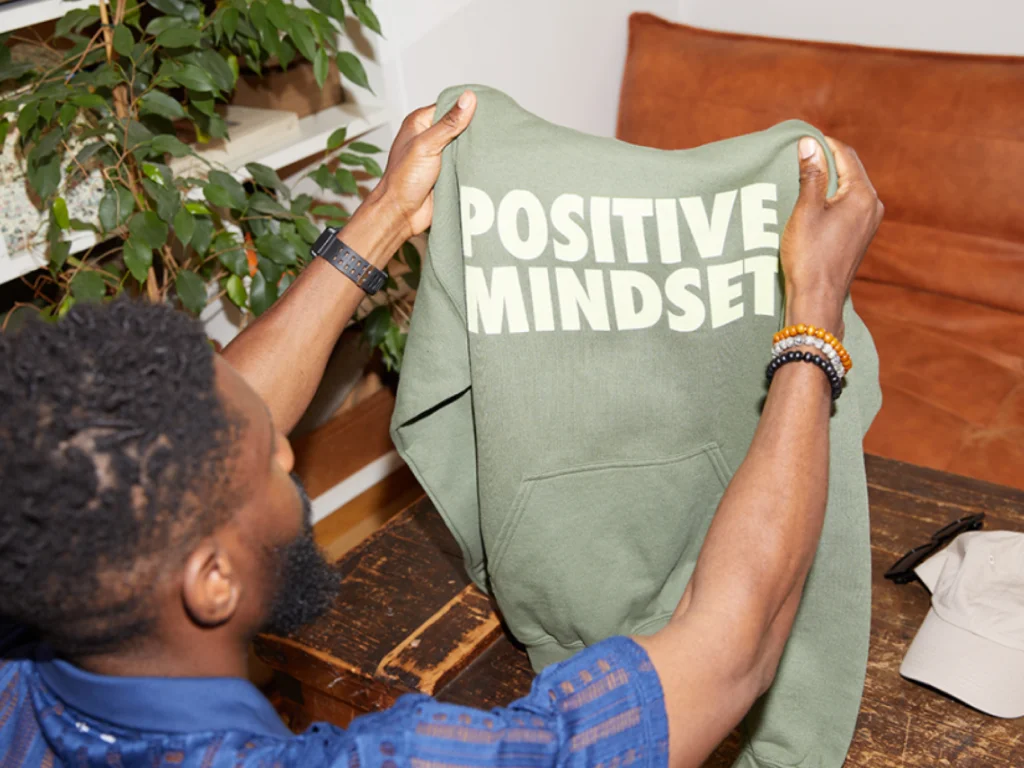
Turning insight into income requires action. Here is a simple framework:
- Choose one micro niche with clear high-demand signals.
- Validate demand using search data and social engagement.
- Design a small collection of personalized products.
- Create and launch your online store with Printify. For free.
- Optimize listings and scale with AI chatbots and smart automation.
Frequently asked questions
The future of print-on-demand is more targeted, data-led, and brand-focused. Micro niches, AI-powered insights, and sustainable products will define growth in the print-on-demand market.
AI tools analyze customer behavior, search patterns, and social signals to reveal emerging trends early. This helps sellers build a competitive advantage.
Use AI-driven design prompts, understand your target audience, and focus on clarity. Printify supports fast testing across print-on-demand products without inventory risk.
Conclusion
In 2026, success with a print-on-demand business will not come from chasing trending products late. It will come from identifying micro-niches early, building trust with niche communities, and delivering meaningful, unique designs with higher perceived value.
AI-powered forecasting gives sellers the tools to act with confidence. Combined with Printify’s infrastructure, these insights can turn small ideas into sustainable businesses with strong profit margins and lasting customer loyalty.