

Navigating the legal and ethical complexities of AI art on Etsy is a balancing act between innovation and preserving your brand. The solution is to use AI as a sophisticated assistant, ensuring every piece you offer maintains its premium aesthetic, adheres to evolving laws, and builds buyer trust. This guide explains Etsy’s requirements, legal safeguards, and how to scale your unique art with Printify.
Navigating AI without sacrificing artistry
Embracing new technology is exciting, but using AI for art on Etsy raises questions about originality. You want to innovate and expand your income streams without diluting the unique “human touch” that defines your brand. The challenge isn’t whether AI exists, but how you can use its power without compromising the soul of your art.
A haphazard approach to AI art can lead to legal ambiguities, copyright concerns, and eroding buyer trust. You need a deliberate strategy. This approach ensures AI enhances your creative process, making it a powerful ally in expanding your Print on Demand business and accelerating your journey to financial autonomy.
Understanding Etsy’s stance on AI art
Etsy is built on unique, handmade, and curated items. While they don’t explicitly ban AI art, their emphasis on the “human touch” means purely AI-generated creations can fall short. The problem isn’t the tool, but the absence of human creativity. Your AI-assisted art must showcase your unique vision and post-processing to transform AI output into something genuinely your own.
Buyers on Etsy value authenticity, and undisclosed use of AI can undermine trust. Etsy requires transparency to avoid potential reputational damage. The solution is to confidently disclose AI’s role as a tool in your creative process. By clearly stating how AI helps you, you demonstrate integrity and manage buyer expectations.
Buyers of premium aesthetics are discerning. They seek unique, artist-driven pieces and are wary of mass-produced content. Undisclosed AI can lead to negative reviews and a loss of confidence in your brand. Embrace transparency as a competitive advantage to solidify your reputation as a trustworthy artist.
Maintaining premium aesthetics with AI
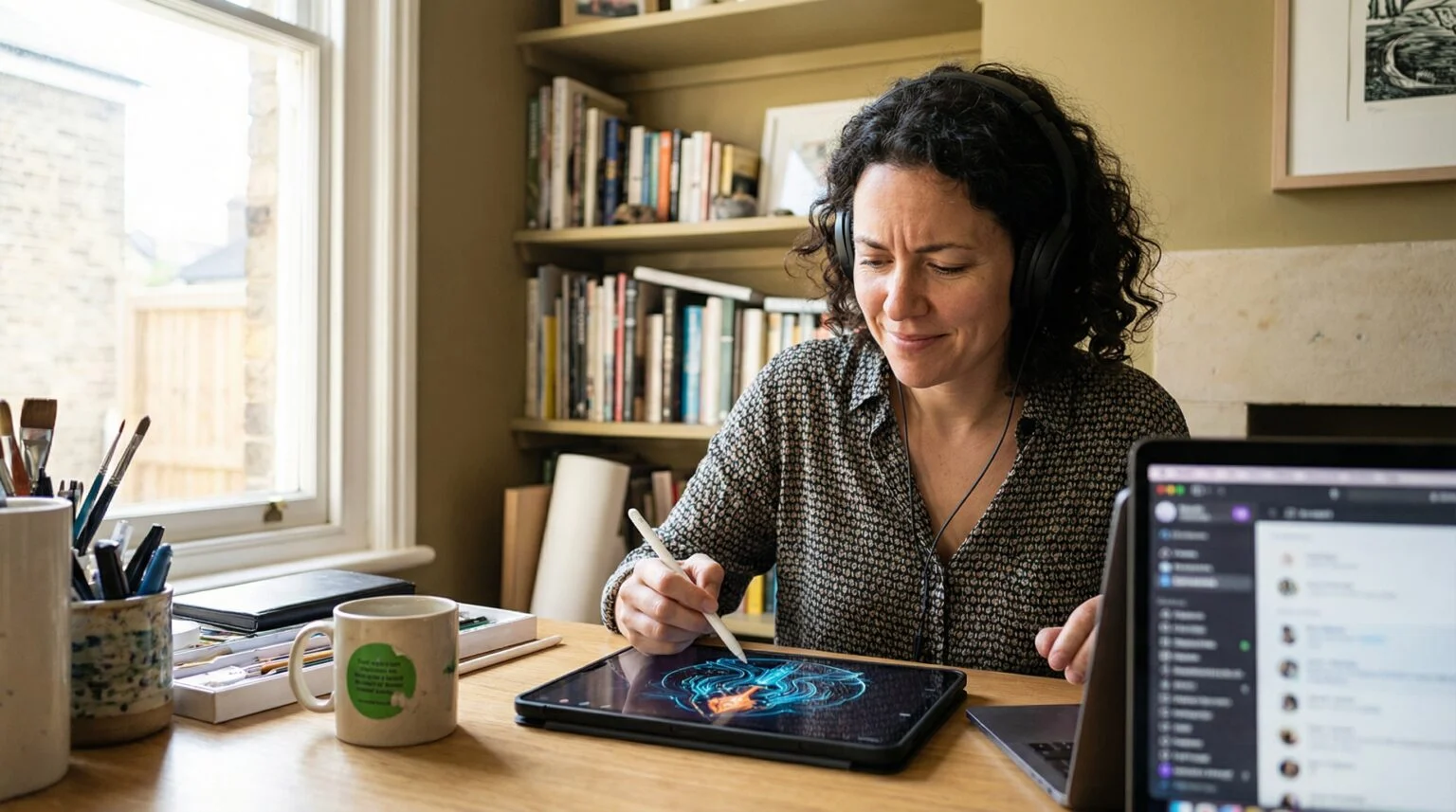
The goal isn’t to let AI create your art, but to have it assist your vision. Raw AI outputs can appear generic. The solution is to use AI for targeted tasks that complement your style, freeing you to focus on creative direction. Use AI to generate unique textures, suggest backgrounds, or explore new color palettes under your expert guidance.
Maintaining a consistent brand aesthetic is crucial. Without control, AI can produce varied results that clash with your style. The solution lies in applying AI in controlled ways to enhance your core identity. Experiment with AI to generate unique patterns or develop details for existing motifs, ensuring each output aligns with your signature look.
AI excels at generating options, but its output often lacks emotional depth. Relying solely on raw AI generation can lead to uninspired pieces. Your artistic judgment is the crucial filter. Approach AI outputs as raw material, then use your editorial eye to select, refine, and combine elements that meet your high-end standards.
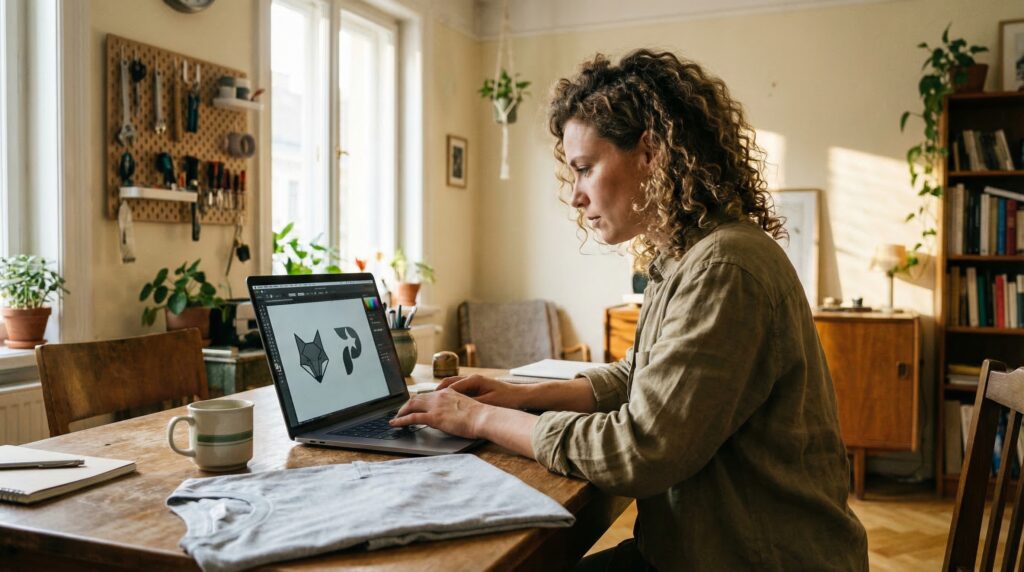
The true transformation of AI-generated elements into premium art happens in post-processing. Without this step, outputs can look unpolished. Treat AI output as the starting point for digital artistry. Blend, paint over, add layers, and introduce hand-drawn elements to ensure every piece reflects your unique touch.
Legal and IP safeguards
The world of copyright for AI-generated art is evolving. Purely AI-generated images generally lack copyright protection. However, when AI is used as a tool in an “AI-assisted” workflow, and your human input is transformative, your work can be eligible for copyright. Focus on ensuring your art has undeniable human contribution.
5 Critical compliance steps
- Documenting your workflow: Proving your human input is essential for copyright. Keep detailed logs of your unique prompts, the specific AI tools used, intermediate outputs, and all post-processing steps.
- Vetting AI models: Some AI models are trained on datasets that may include copyrighted material. Research your tools and prioritize models known for ethical data sourcing or those that allow for commercial use.
- Ensuring transformative use: Simply typing a prompt is not transformative use. Your art must show significant human modification that alters the AI-generated elements. Layer, combine, and repaint until the elements are integrated into your original vision.
- Crafting clear disclosure statements: Vague disclosure can breed distrust. Craft clear statements about your ethical AI integration in your Etsy listings. Explain how you use AI as a tool to enhance your artistry.
- Protecting your unique prompts: Your prompt engineering and workflow are intellectual property. Keep them private and use them to create a recognizable style that sets your Print on Demand business apart.
Even with ethical AI models, there is a risk of generating outputs similar to existing copyrighted works. The solution involves diligent prompt engineering and manual review. Avoid prompting with specific copyrighted characters or brands. Always manually inspect every AI output for recognizable elements before it becomes a Printify product.
Scaling with Printify
Once you have crafted your AI-enhanced art, bring it to buyers through premium products. Printify offers a streamlined platform to upload your refined designs directly to a vast catalog. This integration allows you to transform your artistic vision into sellable items, giving you more time to create.
Your premium AI-assisted art deserves to be showcased on products that reflect its value. Printify solves this with an extensive selection of high-quality items in the Printify Catalog. Curate products that align with your brand’s aesthetic, ensuring your art is presented in the best light.
Inconsistent print quality can damage your reputation. Printify empowers you to maintain quality control through its network of Print Providers. Select your Print Providers thoughtfully, review their samples, and verify that their production upholds your standards.
Rapid growth can pressure artists to compromise on quality. With Printify, you can scale your Print on Demand business responsibly. The platform’s infrastructure allows you to expand your product lines and handle increased demand without sacrificing your commitment to high-quality art.
Building trust with buyers
Buyer skepticism around AI art is natural. The solution is to turn transparency into a brand asset. Proactively educate your audience about how you ethically integrate AI into your process. Share snippets in your Etsy About section and product descriptions to build a narrative of innovation and integrity.
Buyers crave connection to the artist. If your process feels opaque, that connection is lost. Open the curtain and showcase your human contribution. Share behind-the-scenes photos or process videos of your post-processing work to highlight the artistic decisions you make.
Buyers will likely have questions about AI’s role in your art. Be ready with clear and confident answers. Develop a FAQ section that reiterates your artistic ownership, ethical practices, and the unique value you bring. Confident communication builds trust and strengthens your relationship with your audience.
Conclusion
The journey to integrating AI into your Print on Demand art on Etsy relies on understanding the “human touch,” implementing IP safeguards, and scaling with Printify. AI is a powerful tool, but your unique vision and integrity are what truly set you apart.
Ready to evolve your artistic process? Review your current workflow against the compliance steps in this guide. Experiment with AI as an assistant, prioritize your editorial eye, and use Printify to bring your ethically created art to the world.