



Key takeaways
1. Fabric types and their properties:
- Natural fibers such as cotton and linen offer breathability and comfort.
- Synthetic materials like polyester and spandex are known for their durability.
2. Importance of blended fabrics:
Blended fabrics, like cotton-polyester or cotton spandex, combine natural and synthetic fibers to offer enhanced durability, stretch, and comfort.
3. Factors influencing fabric choice:
When selecting t-shirt fabrics, consider the intended use, climate conditions, durability, desired lifespan, and comfort. For commercial production, consider the price of the materials.
This walkthrough will help you launch your own clothing brand in 2024 with a budget-friendly focus. We’ll help you to set up and develop a prosperous fashion brand from home, shattering the existing barriers while redefining retail.
Disclaimer
This post may contain affiliate links, which means we may earn a commission if you make a purchase through those links. This comes at no additional cost to you.
Why Start an Online Clothing Business?
There are multiple reasons why starting an online clothing business is a good idea:
- Low startup costs – Opening an online business requires less upfront investment than a traditional retail store. This makes it a more accessible option for aspiring entrepreneurs with limited funds.
- Flexibility and convenience – An online business allows entering the clothing industry from anywhere at any time.
- Global reach – Having your own business online helps reach customers worldwide – expanding your market and increasing your sales potential.
- Easy to manage and scale – Online businesses can be managed and scaled more easily compared to on-site ones. This can help you grow your clothing business quickly and efficiently.
How Much Does It Cost to Start a Clothing Line?
There are multiple ways to enter the fashion industry, each with different financial obligations. Print on Demand shines for its low upfront costs – ideal for new entrepreneurs.
POD is unique in its approach. The printing and shipping of your items occur only after somebody purchases from you, minimizing initial expenses and carbon footprint.
Other business models like wholesale, white-label manufacturing, and creating your own clothing line require more serious financial investments.
Wholesale involves purchasing in bulk and reselling, which means significant monetary investments for products and storage. Similarly, white-label manufacturing requires investment in customizing generic products with your branding.
Making your own clothing is the most demanding option – financially and time-wise. It involves design development, fabric research and testing, and manufacturing costs.
The key to each model is to combine your creativity with a business strategy. For POD, the primary expenses are design creation and marketing, while others extend to production and inventory. Setting aside a marketing budget to reach your potential shoppers is a must, regardless of the model.
Consider these factors while selecting a suitable route into the fashion market, balancing your budget, creative vision, and business goals.
Ultimate Guide: How to Start a Clothing Line in 10 Steps
Starting a clothing line can be a rewarding and fulfilling experience, but it also comes with challenges. To help you navigate the process of starting a clothing line, check out our guide outlining the ten most important steps you need to take.
1. Understand Your Market
When designing and producing clothing, it’s essential to understand your target market.
This means researching to gain insight into your future customers’ needs, preferences, and purchasing habits. You’ll need to identify opportunities and gaps in the market and develop products that will resonate with your target audience.
Conducting research before designing and producing clothing can help you make informed decisions and increase your chances of business success.
- Identify your target audience – Start by defining the specific people you want to reach with your clothing. This could be based on age, gender, location, interests, or income level.
- Conduct surveys and interviews – Reach out to potential customers and ask them about their clothing preferences and purchasing habits. Use online surveys, in-person interviews, or focus groups to gather this information.
- Analyze market trends – Research fashion trends and developments to identify opportunities and challenges in the market with the help of Google Trends. This can help you create products that align with consumer demands.
- Monitor your competitors – Keep an eye on what your competitors are doing, and pay attention to their products, pricing, marketing, and distribution strategies. This can help you differentiate your products and avoid making common mistakes.
2. Write a Business Plan
A business plan is crucial for any enterprise. It’s a written document outlining your business goals, strategies, and action plans.
A well-crafted business plan can help you communicate your vision to potential investors, partners, and customers. It also serves as a roadmap for the growth and development of your business.
Make sure to include these key components in your business plan:
- Executive summary – A brief business overview, including your mission, vision, and primary goals.
- Market analysis – This section should feature detailed research on your target market, including consumer demographics, preferences, and fashion industry purchasing habits.
- Unique selling points – What sets your clothing line apart from your competitors? It could be unique aesthetics, sustainable materials, or a social or environmental mission.
- Production and distribution – Outline your production process, including your sourcing, manufacturing, and logistics strategies. It should also have information about your distribution channels and how you plan to reach your customers.
- Financial projections – Including revenue, expenses, and profitability. This can help you understand the potential financial position of your business.
3. Choose a Business Name
Your business name is the first thing people will see when they encounter your clothing line. Choosing one that’s unique, memorable, and reflective of your brand’s identity is essential.
It shouldn’t be too narrow – for example, one like Higgin’s Leggings might rob you of an opportunity to offer different products as your brand evolves.
Vita Stevens
Use these tips when choosing a business name for your clothing line:
- Keep it simple and easy to remember – A good business name should be easy to pronounce, spell, and remember. Avoid using complex words or phrases that are difficult to pronounce.
- Be unique – Your business name should stand out from your competitors and be memorable to potential customers. Avoid using generic or common words already used by other businesses in your industry.
- Reflect your brand’s identity – It should convey the essence of your brand and what sets it apart from others.
- Check availability – Before settling on a business name, check its availability and trademark status to avoid potential legal issues.
- Financial projections – Including revenue, expenses, and profitability. This can help you understand the potential financial position of your business.
Clothing Items: What to Pick for Your Fashion Brand?
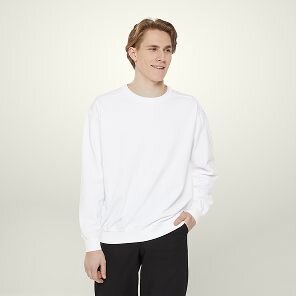
If you’re wondering what to sell, begin with custom t-shirts. T-shirts are one the most popular garments in the world. With the right custom design, a t-shirt can reflect a brand or personal interests and identity.
Typically, a fashion startup begins its journey with a couple of t-shirt models and then expands to hoodies and beyond.
Product catalog
Which Business Model Is Best for Starting an Online Clothing Store?
There are several business models to consider when starting clothing brands. Each model has its pros and cons, and the right choice depends on your goals, resources, and target audience. Let’s review the most common online clothing store business models.
Create custom clothing designs through a POD platform like Printify and list them online for free on top eCommerce sites, such as Etsy or Shopify.
When a customer places an order in your store, with the help of a manufacturing facility, Printify prints your design on the item and ships it directly to them.
You’re only required to provide the designs and online marketing efforts to inform potential customers about your brand.
Pros:

Low startup costs – no need to invest in inventory or fulfillment.
Customizable and unique products.
Easy setup and product design process with Printify.
Cons:

Limited control over printing and fulfillment quality.
Dependence on the reliability and capability of the POD platform.
It may require more time and effort to create designs.*
*If you’re not an experienced fashion designer, you can always take advantage of the Printify x Shutterstock integration and choose from millions of high-resolution images to use in your clothing line offerings. Or hire an expert to do it for you.
Dropshipping Business
In a dropshipping business model, you don’t hold any inventory or fulfill orders yourself. Instead, you partner with a manufacturer or wholesaler with the inventory and fulfillment capabilities.
When a customer places an order on your website, simply forward the details to the dropshipping supplier (for example, AliExpress). They’ll then ship the item directly to the customer on your behalf.
Pros:
No need to invest in inventory or fulfillment.
Easy to set up and manage.
Flexibility to offer a wide range of products.
Cons:
Lower profit margin and target price point.
Limited control over fulfillment and customer service.
Dependence on the reliability and quality of the manufacturer or wholesaler.
How to Start Your Own Clothing Brand With No Experience Using POD
POD marketplaces are where you license your designs to be put on physical items. However, the marketplace also promotes and sells the items for you. You simply upload your artwork to their platform and wait for the sales to happen.
Sign Up for Printify
Create a free Printify account to create products without investing in inventory or production equipment.
Design Products Easily
Use our beginner-friendly Product Creator to design your own clothing and products. Add up to ten layers, including photos and graphics. Add written statements with our Text Editor tool, create all-over-print designs with the pattern maker, or try our AI Image Generator.
Integrate a Sales Channel
Enter the fashion world and show off your clothing lines to customers worldwide by integrating your Printify account with an online platform or marketplace.
Connect with Shopify, Etsy, Walmart, WooCommerce, Wix, or eBay. Printify has easy built-in integrations with these big names, making it easy to open your online store and sell either an existing clothing brand or start a brand-new business.
If you’re more tech-savvy, create a custom website using a platform such as WordPress and use the Printify API tool to integrate with your site. With a custom-built website, you can enjoy limitless customization.
Sign Up for Printify
Create a free Printify account to create products without investing in inventory or production equipment.
Design Products Easily
Use our beginner-friendly Product Creator to design your own clothing and products. Add up to ten layers, including photos and graphics. Add written statements with our Text Editor tool, create all-over-print designs with the pattern maker, or try our AI Image Generator.
Integrate a Sales Channel
Enter the fashion world and show off your clothing lines to customers worldwide by integrating your Printify account with an online platform or marketplace.
Connect with Shopify, Etsy, Walmart, WooCommerce, Wix, or eBay. Printify has easy built-in integrations with these big names, making it easy to open your online store and sell either an existing clothing brand or start a brand-new business.
If you’re more tech-savvy, create a custom website using a platform such as WordPress and use the Printify API tool to integrate with your site. With a custom-built website, you can enjoy limitless customization.
Starting a Clothing Brand FAQs
How to Start a Print on Demand Ecommerce Store
The particular steps of starting a print-on-demand store vary according to each ecommerce platform. However, there are a few common steps to follow, start from the following:
1. Choose Right Print Provider
Your print provider is the entity that will bring your products to life. When assessing different print providers, make sure to consider the following
Integration
Integration is an important factor if you sell through a website. Your print-on-demand platform should be compatible with your shopping cart. A solution that integrates with your existing platform will be both seamless and efficient for the customer. Whether you are using Woocommerce, Shopify, or Bigcommerce, the print provider should provide existing integration.
Supplier policies
Review all policies of the print provider you are considering. Look into factors like turnaround time, price reimbursement, and commissions. These things can have a critical impact on your business, so pick a vendor with policies that suit your business setup.
Fulfillment methods
It would be best to look into how products are created, packed, and shipped to the customer. Some providers have in-house staff that handles packaging, customization, and fulfillment, while others rely on third-party platforms. Any of these are good if they are suitable for your business operations. Focus on your preferences of fulfillment when choosing the supplier.
Cost
As with handling the inventory, each order needs minimal input for the front-end company. After receiving the order, the printing and shipping of it are handled by the service provider.
Product catalog
The types of products you want to sell dictate the decision of a POD supplier. If the POD supplier lacks covering your product catalog, you need to look elsewhere for a wholesome solution. This is not a common issue for those selling t-shirts and mugs, as most POD services offer those items. You may have to search harder if you are offering niche items.
2. Order Samples
By this point, you must narrow down your search for a POD supplier. Before going ahead with the contract, ask them if you can order samples first. This allows you to get a firsthand look at how the order will reach the customer. Product sampling procedure varies from one supplier to the other. Some people may offer discounts if you order product samples. This is a crucial step, so do not miss it.
3. Create Mockups
Are you ready to start selling your products? Make sure to come up with attractive mockups for your products. Mockups allow your customers to come up with a visual in their minds about how your custom print will look like. Mockups done right can make people make a purchase.
The best part is that most POD websites have mockup generators that you can use to envision your products. With a wide range of environments and models, you will be able to build mockups that look as realistic as real-life products.
4. Choose Your Niche
If you’re going to target everyone, it will be hard for you to stand out in the market. But if you have a clearly defined audience, you will find it easier to create personalized marketing campaigns that engage and convert customers.
There are numerous ways to market a POD business, but the following ideas work best:
- Run Facebook ad campaigns targeting the interests of your main audience. Also, test out your designs by spending as little as $10-$20 on Facebook ads to see which ones your audience likes best.
- Collect your visitors’ emails so that you can continue marketing to them for free.
- Create an Instagram account and curate content for your audience. Use hashtags that get the most likes, gain followers, and develop relationships with your prospective clients.